
Melatonin for Sleep: What Research Says and What to Consider
By the Wellness Center USA editorial team ·

Melatonin is one of the most commonly used sleep supplements in the United States, and it is sold over the counter as pills, gummies, liquids, and dissolving tablets. It is often described as a "natural sleeping pill," but that is not quite accurate. Melatonin is better understood as a timing signal for the body clock than as a sedative. This article explains what the research shows, where the evidence is thin, and what to consider before using it.
What Is Melatonin?
Melatonin is a hormone made by the pineal gland in the brain. Its release rises in the evening as it gets dark, stays high at night, and falls toward morning. It helps signal to the body that it is nighttime, and it is part of the system that regulates the sleep-wake cycle.
How the Sleep-Wake Cycle Works
Two main processes shape your sleep:
- Sleep pressure builds the longer you are awake.
- The circadian rhythm, your internal 24-hour clock, controls when you feel alert or sleepy. Light is its strongest cue, and bright light, especially in the evening, can delay melatonin release.
Melatonin is part of this timing system. That is why it is studied for problems of timing, such as jet lag, rather than as a general cure for sleeplessness.

Natural Melatonin Versus Supplements
Your body makes melatonin in tiny amounts, measured in micrograms or less. Supplements commonly contain far more, and a dose from a pill produces levels higher than the body typically makes on its own. That does not make it unsafe, but it means a supplement is not "just topping up" what you already have. The effects of a supplement also depend on the timing, since taking it at different times can shift the body clock earlier or later.
In the United States, melatonin is sold as a dietary supplement, not a drug, so it is not approved by the FDA as a treatment for sleep disorders.
What Does Research Say?
Jet lag and circadian rhythm problems
Melatonin has been studied more for body-clock problems than for general insomnia. Reviews of jet lag trials have found that melatonin taken at the right time can help when traveling across several time zones, particularly eastward travel, though advice on timing and dose varies by source. Clinical guidance from the American Academy of Sleep Medicine also covers timed melatonin for certain circadian rhythm sleep-wake disorders. Because timing matters, ask a clinician rather than guessing.
Chronic insomnia
A 2013 meta-analysis by Ferracioli-Oda and colleagues pooled 19 studies with 1,683 participants with primary sleep disorders. Melatonin reduced the time it took to fall asleep by about 7 minutes on average and increased total sleep time by about 8 minutes, with modest improvements in overall sleep quality. The authors described the effects as modest, smaller than those of some other medicines for insomnia.
The American Academy of Sleep Medicine's 2017 guideline on the pharmacologic treatment of chronic insomnia suggested against using melatonin as a treatment for sleep-onset or sleep-maintenance insomnia in adults (a weak recommendation based on limited evidence of benefit). The first-line treatment for chronic insomnia is cognitive behavioral therapy for insomnia (CBT-I).
In short, melatonin may help some people a little, particularly with timing problems, but it is not a proven fix for chronic insomnia.
Immediate-Release Versus Extended-Release Products
- Immediate-release products release melatonin quickly. They are generally intended for falling asleep.
- Extended-release or controlled-release products release it over hours and are marketed for staying asleep.
- Prescription prolonged-release melatonin exists in some countries for specific uses and is regulated as a medicine.
Evidence for over-the-counter extended-release versions is limited, and labels do not always make clear how the product behaves. Gummies, liquids, and sprays add other variables.
Possible Side Effects
NCCIH says melatonin appears safe for short-term use in most adults, but long-term safety is less clear. Reported side effects include:
- daytime drowsiness or grogginess
- headache
- dizziness
- nausea
- vivid dreams or nightmares
- irritability or low mood in some people
Do not drive or do hazardous tasks if you feel drowsy after taking it.
Medication Interactions
Ask a pharmacist or clinician before taking melatonin if you use:
- blood thinners such as warfarin
- sedatives, sleep medicines, or anti-anxiety medicines
- blood pressure medicines
- diabetes medicines (melatonin may affect blood sugar)
- immunosuppressants
- seizure medicines
- birth control pills or other hormone medicines
- fluvoxamine and some other medicines that affect how melatonin is broken down
- caffeine and alcohol, which can change how you respond
See our guide to supplement interactions.
Children and Adolescents
Melatonin use in children has risen, but the long-term effects on development and puberty are not well known. The CDC reported in 2022 that pediatric melatonin ingestions reported to poison control centers increased substantially between 2012 and 2021, most of them in young children who got into products, often gummies, by accident. Keep melatonin out of children's reach, as you would any medicine. If a child has sleep problems, ask a pediatrician before giving melatonin, since sleep habits and underlying conditions are usually the first things to address.
Pregnancy and Breastfeeding
There is not enough reliable information on melatonin in pregnancy and breastfeeding. Ask a healthcare professional.
Product Quality and Label Information
Supplements are not approved by the FDA before sale, and the amounts in products can vary. A 2023 JAMA study by Cohen and colleagues measured 25 melatonin gummy products and found that the actual content differed from the label, and some products also contained CBD that was not always declared. Label accuracy cannot be assumed.
When reading a melatonin label:
- Check the amount per serving and the serving size.
- Look for third-party testing (such as USP verification).
- Check other ingredients such as herbs (valerian, chamomile), L-theanine, or magnesium, which can add effects and interactions.
- Watch for sweeteners and colors in gummies.
- Choose child-resistant packaging, and store it away from children.
Read more in our guide to reading a supplement label.
Better Sleep Habits Come First
Habits with the best evidence include a consistent schedule, morning light, a cool dark bedroom, limited caffeine and alcohol, and a wind-down routine. See our guides to building a healthy sleep routine, improving sleep naturally, and our article on magnesium for sleep. Some multi-ingredient sleep products in our catalog, such as Renew, list melatonin among other ingredients, and our overview describes what the brand publishes.
When to Seek Medical Advice
See a healthcare professional if:
- sleep problems last more than a few weeks or affect daytime functioning,
- you snore loudly, gasp, or stop breathing during sleep,
- you have symptoms of depression or anxiety,
- you need melatonin every night for a long period,
- you are considering it for a child, or
- you have a medical condition or take medicines.
Frequently Asked Questions
Is melatonin a sleeping pill?
Not exactly. It signals nighttime to your body clock rather than acting as a sedative.
Does melatonin work for insomnia?
Studies show a small average benefit, but a major sleep medicine guideline suggests against its use for chronic insomnia in adults.
Is melatonin addictive?
It is not generally considered habit-forming, but long-term effects are not well studied.
Can I take melatonin every night?
Ask a healthcare professional, especially for long-term use.
Why do I feel groggy the next morning?
Doses and timing may be an issue. Ask a clinician or pharmacist.
Final Thoughts
Melatonin is a timing hormone with a modest and limited evidence base for sleep. It may help in some situations such as jet lag, but it is not a proven fix for chronic insomnia, product quality varies, and children and people on medicines need extra care. Start with sleep habits, and talk to a healthcare professional before relying on a supplement.
Medical Disclaimer
This article is for general educational purposes only and does not provide medical advice, diagnosis, or treatment. It does not recommend a dose. Consult a qualified healthcare professional before taking melatonin or any supplement.
References and Further Reading
- National Center for Complementary and Integrative Health (NCCIH). Melatonin: What You Need To Know
- Ferracioli-Oda E, et al. (2013). Meta-analysis: melatonin for the treatment of primary sleep disorders. PLoS One.
- Sateia MJ, et al. (2017). Clinical Practice Guideline for the Pharmacologic Treatment of Chronic Insomnia in Adults: An American Academy of Sleep Medicine Clinical Practice Guideline. Journal of Clinical Sleep Medicine.
- Cohen PA, et al. (2023). Quantity of Melatonin and CBD in Melatonin Gummies Sold in the US. JAMA.
- Lelak K, et al. (2022). Pediatric Melatonin Ingestions — United States, 2012–2021. MMWR.
- National Heart, Lung, and Blood Institute (NHLBI). Sleep Deprivation and Deficiency
Related products
- View Renew
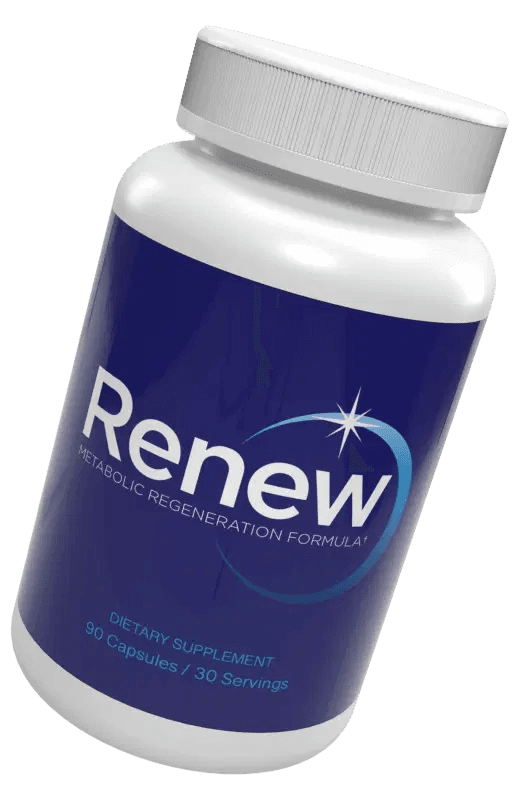
Renew
View product
Related articles
Blood Sugar Support Supplements: Ingredients, Evidence, and Safety
"Blood sugar support" is one of the busiest categories in the supplement market. Bottles promise to "balance," "stabilize," or "support" glucose, often with a list of botanicals an…
Nov 3, 2026
Women's Health During Menopause: Understanding Common Changes and Wellness Options
Menopause is a normal stage of life, but the years around it can bring changes that feel anything but normal: hot flashes, broken sleep, shifting moods, and questions about bone an…
Nov 3, 2026
Oral Probiotics Explained: Understanding Strains, Dental Health, and Research
Oral probiotics are chewable tablets, lozenges, and drops that contain live bacteria and are marketed for teeth, gums, and fresh breath. The idea is appealing, but the research is…
Nov 3, 2026