
Blood Sugar Support Supplements: Ingredients, Evidence, and Safety
By the Wellness Center USA editorial team ·
"Blood sugar support" is one of the busiest categories in the supplement market. Bottles promise to "balance," "stabilize," or "support" glucose, often with a list of botanicals and minerals. But blood sugar is tightly regulated by the body and closely linked to diabetes, a serious condition that needs medical care. This article explains how blood glucose works, what lifestyle factors matter most, what the research says about commonly marketed ingredients, and how to read these products safely.
Understanding Blood Glucose
Glucose is the body's main fuel. It comes from carbohydrates in food, and the liver also makes and stores it. After a meal, blood glucose rises, and the pancreas releases insulin, a hormone that helps cells take up glucose. Between meals, the pancreas releases glucagon, which signals the liver to release stored glucose. This feedback loop keeps blood glucose within a fairly narrow range.
Blood glucose is measured in several ways. Typical categories used in the US, according to NIDDK and the CDC, are:
| Test | Typical range | Prediabetes | Diabetes |
|---|---|---|---|
| Fasting plasma glucose | Below 100 mg/dL | 100–125 mg/dL | 126 mg/dL or higher |
| A1C | Below 5.7% | 5.7%–6.4% | 6.5% or higher |
Diagnosis requires testing and a clinician's interpretation. Do not diagnose yourself, and do not treat symptoms with supplements instead of getting tested.

How the Body Regulates Blood Sugar, and What Goes Wrong
In type 1 diabetes, the immune system destroys insulin-producing cells. In type 2 diabetes, the body becomes resistant to insulin and eventually may not make enough. Prediabetes means levels are higher than normal but not yet in the diabetes range. Blood sugar that is too low (hypoglycemia) can also be dangerous, particularly in people who take insulin or certain diabetes medicines.
Symptoms of high blood sugar can include increased thirst, frequent urination, blurred vision, fatigue, and slow-healing wounds. Seek medical care if you notice these, and seek urgent care for confusion, vomiting, or fainting.
Lifestyle Factors
The best-supported tools for healthy blood sugar are everyday habits. In the Diabetes Prevention Program trial (Knowler and colleagues, 2002), adults at high risk who took part in an intensive lifestyle program, aiming for about 7% weight loss and at least 150 minutes of physical activity a week, had a 58% lower rate of developing type 2 diabetes than those given a placebo.
Habits that help many people include:
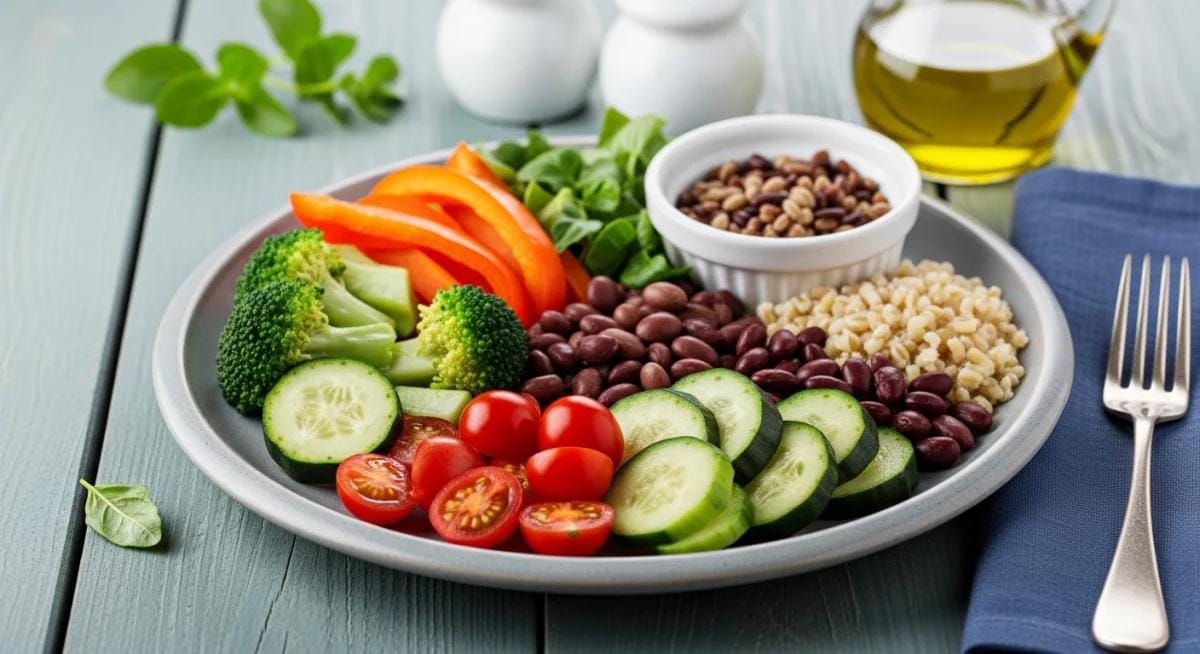
- Meals built around fiber-rich foods: vegetables, beans, whole grains, and fruit.
- Limiting sugary drinks and refined carbohydrates.
- Regular physical activity, including a short walk after meals.
- Healthy sleep: poor sleep affects insulin sensitivity.
- Managing stress and avoiding tobacco.
- Working toward a healthy weight if your clinician advises it.
- Regular check-ups, including glucose or A1C tests.
See our article on blood sugar and metabolic health for more detail.
Ingredients Commonly Found in Blood Sugar Supplements
Marketed products often combine several ingredients. Common ones include:
- Chromium. A trace mineral involved in insulin action. The NIH Office of Dietary Supplements (ODS) notes that research on chromium supplements for blood sugar is inconsistent.
- Cinnamon. The National Center for Complementary and Integrative Health (NCCIH) says that studies in people do not clearly support using cinnamon for diabetes or any other health condition, and that some types of cinnamon contain coumarin, which can harm the liver in large amounts.
- Gymnema sylvestre. An Ayurvedic herb with small trials suggesting modest effects, but study quality is limited.
- Banaba leaf (corosolic acid). Small studies; limited evidence.
- Berberine, alpha-lipoic acid, and others. Some have been studied, but quality and results vary, and some interact with medicines.
- Green tea and caffeine-related compounds. These add stimulant effects.
- Turmeric, ginseng, and fenugreek. Mixed or limited evidence for blood sugar, and fenugreek can affect blood sugar and medication.
A systematic review of herbs and supplements for glycemic control in diabetes (Yeh and colleagues, 2003) concluded that evidence was insufficient to recommend them. NCCIH makes a similar point today: there is not enough evidence to recommend any dietary supplement for managing diabetes, and some can interact with diabetes medicines or cause side effects.
What Clinical Research Actually Supports
- Some individual ingredients lowered blood sugar slightly in some small, short trials, but results are inconsistent, doses differ, and many studies have a risk of bias.
- Trials of ingredients do not prove that a finished product with unlisted amounts works.
- Supplements have not been shown to replace the benefit of medicines, a balanced diet, and physical activity.
- Claims that a supplement will "reverse" diabetes or let you stop medicine are not supported.
Evaluating Product Labels
Check:
- Every ingredient and its amount. Proprietary blends and "12+ ingredients" without a full list make it impossible to judge doses and interactions.
- Stimulants such as green tea or caffeine-related compounds.
- Claims such as "burn fat fast" or "balance blood sugar," and whether the evidence cited applies to the product.
- Testing, manufacturing details, refund terms, and contact information.
- Warnings. A product that contains blood-sugar-lowering herbs should say so.
Two products in our catalog are marketed around blood sugar:
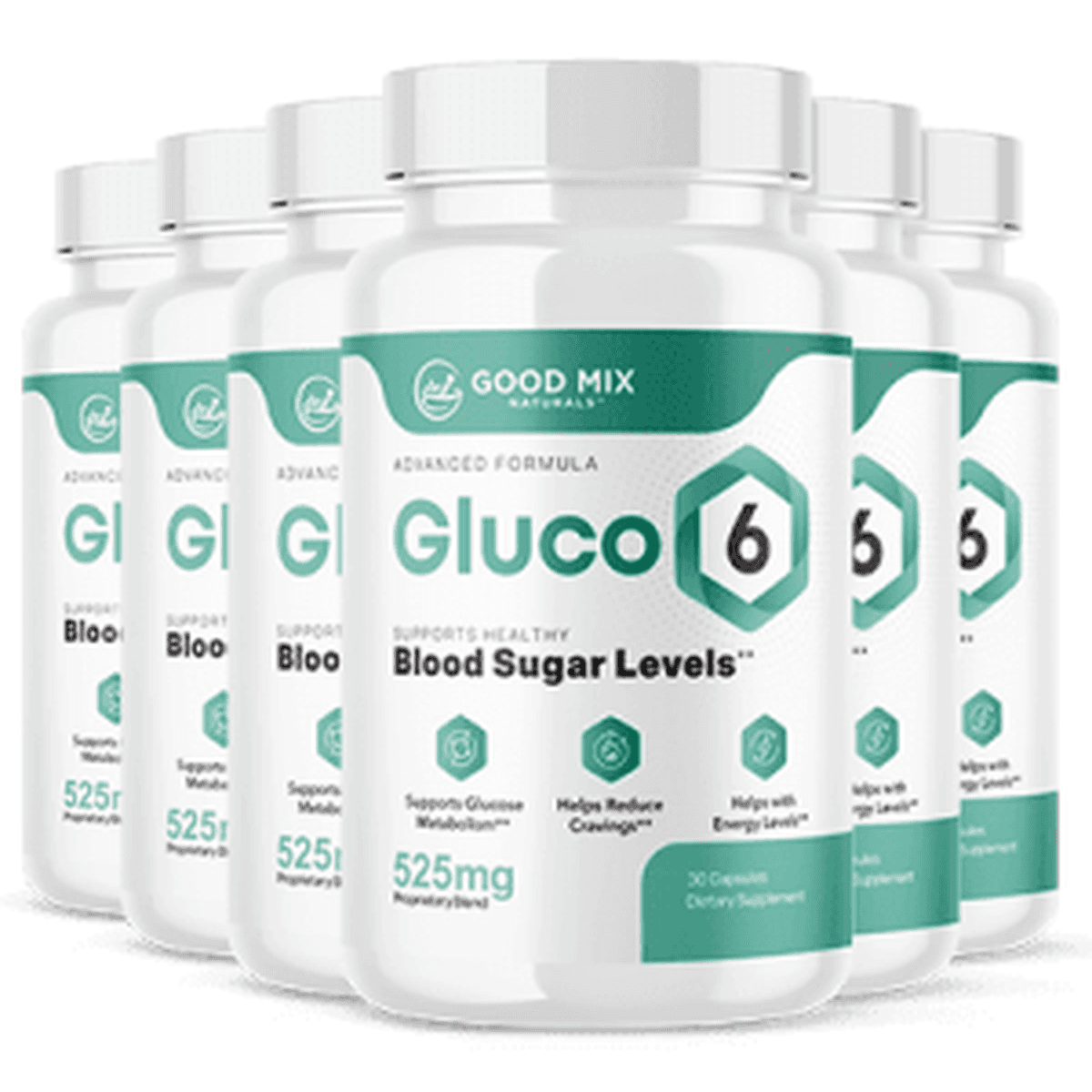
- Gluco6, a morning capsule whose official site lists six ingredients (Sukre, chromium, cinnamon, TeaCrine®, gymnema sylvestre, and green tea) without amounts. It also contains caffeine-related ingredients.
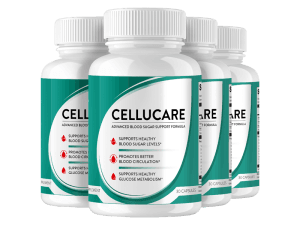
- CelluCare, an evening capsule whose official site names eight ingredients (turmeric, cocoa bean extract, eleuthero, gymnema, juniper berry, pine bark extract, banaba leaf, and butcher's broom) out of "over 12," without amounts.
Our overviews describe what each brand publishes, and neither brand publishes a trial of its finished product. They are not diabetes treatments and are not recommended here as such. Read our guide to reading a supplement label.
Potential Medication Interactions
Ingredients that may lower blood sugar can add to the effect of insulin and diabetes tablets, which could cause hypoglycemia. Other concerns include:
- Blood pressure medicines and herbs that affect blood pressure
- Blood thinners and herbs such as turmeric or pine bark
- Kidney or liver conditions, since some herbs (for example, juniper berry) can affect the kidneys
- Stimulants and heart rhythm problems
- Pregnancy and breastfeeding
Ask a pharmacist before combining any supplement with medicines. See our guide to supplement interactions.
Diabetes Safety
If you have diabetes or prediabetes:
- Never stop or reduce prescribed medicine because of a supplement.
- Tell your clinician about every supplement you take.
- Keep monitoring your blood sugar as advised, and learn the signs of low blood sugar.
- Do not rely on supplements for symptoms such as constant thirst, frequent urination, blurred vision, or unexplained weight loss. See a doctor.
- Be wary of "cures." The FDA and FTC have taken action against products claiming to treat or cure diabetes.
Questions to Ask a Healthcare Professional
- Should I be tested for prediabetes or diabetes?
- Could any supplement I take affect my blood sugar or medicines?
- Are there ingredients I should avoid with my kidney, liver, or heart condition?
- Which lifestyle changes would help most for me?
- Can a dietitian or a diabetes education program help?
Frequently Asked Questions
Do blood sugar supplements work?
Evidence for most is limited or inconsistent, and no supplement is proven to replace medical treatment.
Can I take them with diabetes medicine?
Only after asking a clinician or pharmacist, because they can add to blood-sugar-lowering effects.
Does cinnamon lower blood sugar?
NCCIH says studies in people do not clearly support it for diabetes.
What is the best way to support healthy blood sugar?
Healthy eating, regular activity, sleep, stress management, and medical care as needed.
Can supplements reverse prediabetes?
Lifestyle change has the strongest evidence. Ask your clinician about a prevention program.
Final Thoughts
Blood sugar supplements promise a lot, but the evidence is thin, and safety issues are real, especially for people who take diabetes medicines. Habits, testing, and medical care come first. If you do consider a supplement, read the whole label, check for interactions, and tell your healthcare team.
Medical Disclaimer
This article is for general educational purposes only and does not provide medical advice, diagnosis, or treatment. Supplements do not replace diabetes medicine or medical care. Consult a qualified healthcare professional about blood sugar concerns.
References and Further Reading
- National Center for Complementary and Integrative Health (NCCIH). Diabetes and Dietary Supplements
- National Center for Complementary and Integrative Health (NCCIH). Cinnamon
- NIH Office of Dietary Supplements. Chromium: Fact Sheet for Health Professionals
- Knowler WC, et al. (2002). Reduction in the incidence of type 2 diabetes with lifestyle intervention or metformin. New England Journal of Medicine.
- Yeh GY, et al. (2003). Systematic review of herbs and dietary supplements for glycemic control in diabetes. Diabetes Care.
- National Institute of Diabetes and Digestive and Kidney Diseases (NIDDK). Tests & Diagnosis
- MedlinePlus. Blood Sugar
Related products
- View CelluCare
CelluCare
View product - View Gluco6
Gluco6
View product
Related articles
Women's Health During Menopause: Understanding Common Changes and Wellness Options
Menopause is a normal stage of life, but the years around it can bring changes that feel anything but normal: hot flashes, broken sleep, shifting moods, and questions about bone an…
Nov 3, 2026
Oral Probiotics Explained: Understanding Strains, Dental Health, and Research
Oral probiotics are chewable tablets, lozenges, and drops that contain live bacteria and are marketed for teeth, gums, and fresh breath. The idea is appealing, but the research is…
Nov 3, 2026
Is Derila Ergo Pillow Legit? An Evidence-Based Buying Guide
"Is the Derila Ergo pillow legit?" is one of the most common questions people ask before ordering, and the answers online range from "total scam" to "perfectly fine." Neither extre…
Oct 31, 2026