Women's Health During Menopause: Understanding Common Changes and Wellness Options
By the Wellness Center USA editorial team ·

Menopause is a normal stage of life, but the years around it can bring changes that feel anything but normal: hot flashes, broken sleep, shifting moods, and questions about bone and heart health. The wellness market has plenty of products aimed at these years, and it is easy to lose track of which ideas are backed by evidence and which are marketing. This article explains what menopause is, what changes are common, which options have good evidence, and how to evaluate wellness products with care.
What Menopause Means
According to the National Institute on Aging (NIA), menopause is a normal part of aging, not a disease. It is defined as 12 months in a row without a menstrual period, and the average age in the United States is about 52. The ovaries produce less estrogen and progesterone, and periods stop.
- Perimenopause (the menopausal transition) is the time leading up to menopause, when hormone levels rise and fall unevenly. It often starts in a woman's 40s and can last several years. Periods may become irregular, and symptoms can begin.
- Menopause is confirmed after 12 months without a period.
- Postmenopause is the time afterward.
- Menopause can also happen earlier because of surgery (such as removal of the ovaries), chemotherapy, or other medical causes.

Common Symptoms
Symptoms vary widely. Some women have few, and others have symptoms that disrupt daily life. They include:
- Hot flashes and night sweats (vasomotor symptoms)
- Irregular periods during perimenopause
- Sleep problems
- Mood changes, including irritability, anxiety, or low mood
- Vaginal dryness and discomfort, and changes in sexual comfort
- Urinary changes, such as urgency or more frequent infections
- Difficulty concentrating ("brain fog")
- Joint aches and changes in skin and hair
Some of these symptoms can also be caused by other conditions, such as thyroid problems, depression, or sleep apnea, so they are worth discussing with a clinician rather than assuming they are menopause.
Sleep and Mood Changes
Night sweats can wake you, and sleep can become lighter or more fragmented even without hot flashes. Poor sleep, in turn, can make mood and concentration worse. Helpful steps include a cool bedroom, light layers, a regular sleep schedule, limiting alcohol and caffeine, and daytime activity. See our guides to building a healthy sleep routine and improving sleep naturally.
Mood changes can also be related to life stress, sleep loss, and hormonal shifts. Persistent low mood, anxiety, or thoughts of self-harm need prompt professional help, and they should not be treated as "just menopause." In the United States you can call or text 988 for the Suicide & Crisis Lifeline.
Bone Health
Estrogen helps protect bone. Bone loss speeds up in the years around menopause, and after menopause women are more vulnerable to osteoporosis. To support bone health:
- Get enough calcium and vitamin D. The NIH Office of Dietary Supplements lists the RDA for calcium as 1,200 mg a day for women over 50, and for vitamin D as 600 IU (15 mcg) a day up to age 70, and 800 IU (20 mcg) after that, with food as the first source. See our article on vitamin D.
- Do weight-bearing and muscle-strengthening exercise.
- Avoid smoking and limit alcohol.
- Ask your clinician about bone density screening.
Nutrition and Physical Activity
Evidence supports general healthy habits: a diet rich in vegetables, fruits, whole grains, legumes, and lean proteins; regular physical activity (the CDC recommends at least 150 minutes of moderate activity a week plus muscle-strengthening on two or more days); and maintaining a healthy weight. Some women find that alcohol, caffeine, spicy food, or hot drinks trigger hot flashes, so tracking triggers can help.
When Medical Treatment May Be Appropriate
Menopause symptoms that interfere with daily life deserve a conversation with a healthcare professional. Treatment options with evidence include:
- Menopausal hormone therapy. The North American Menopause Society's 2022 position statement says hormone therapy is the most effective treatment for hot flashes and night sweats and for genitourinary symptoms, and that for healthy women under 60 or within 10 years of menopause onset, the benefit-risk profile is generally favorable, with individual risks to be weighed by a clinician. It is not suitable for everyone.
- Non-hormonal prescription options, such as certain antidepressants, gabapentin, and a newer class of medicine approved for hot flashes. Ask your clinician.
- Low-dose vaginal estrogen or other vaginal treatments for dryness.
- Cognitive behavioral therapy and some mind-body approaches, which have evidence for helping women cope with hot flashes and sleep problems.
Seek medical advice promptly for bleeding after menopause, very heavy or prolonged bleeding, chest pain, palpitations, severe mood symptoms, or anything unexpected.
Evaluating Wellness Products
The National Center for Complementary and Integrative Health (NCCIH) reviews complementary approaches for menopausal symptoms and notes that evidence for most herbal and dietary supplements is limited or inconsistent. For example, NCCIH says black cohosh has not been shown convincingly to relieve hot flashes and that rare cases of liver problems have been reported.
When you look at a product, check:
- What it actually is. A capsule, a powder, or an information guide are very different things.
- What it claims and whether the evidence is about the finished product or only about a single ingredient.
- The full ingredient list and amounts.
- Safety, especially if you take medicines or have a thyroid, liver, kidney, or hormone-sensitive condition.
- Refund terms and seller details.
Three products in our catalog are sometimes read as "menopause" products, but they are different in nature:
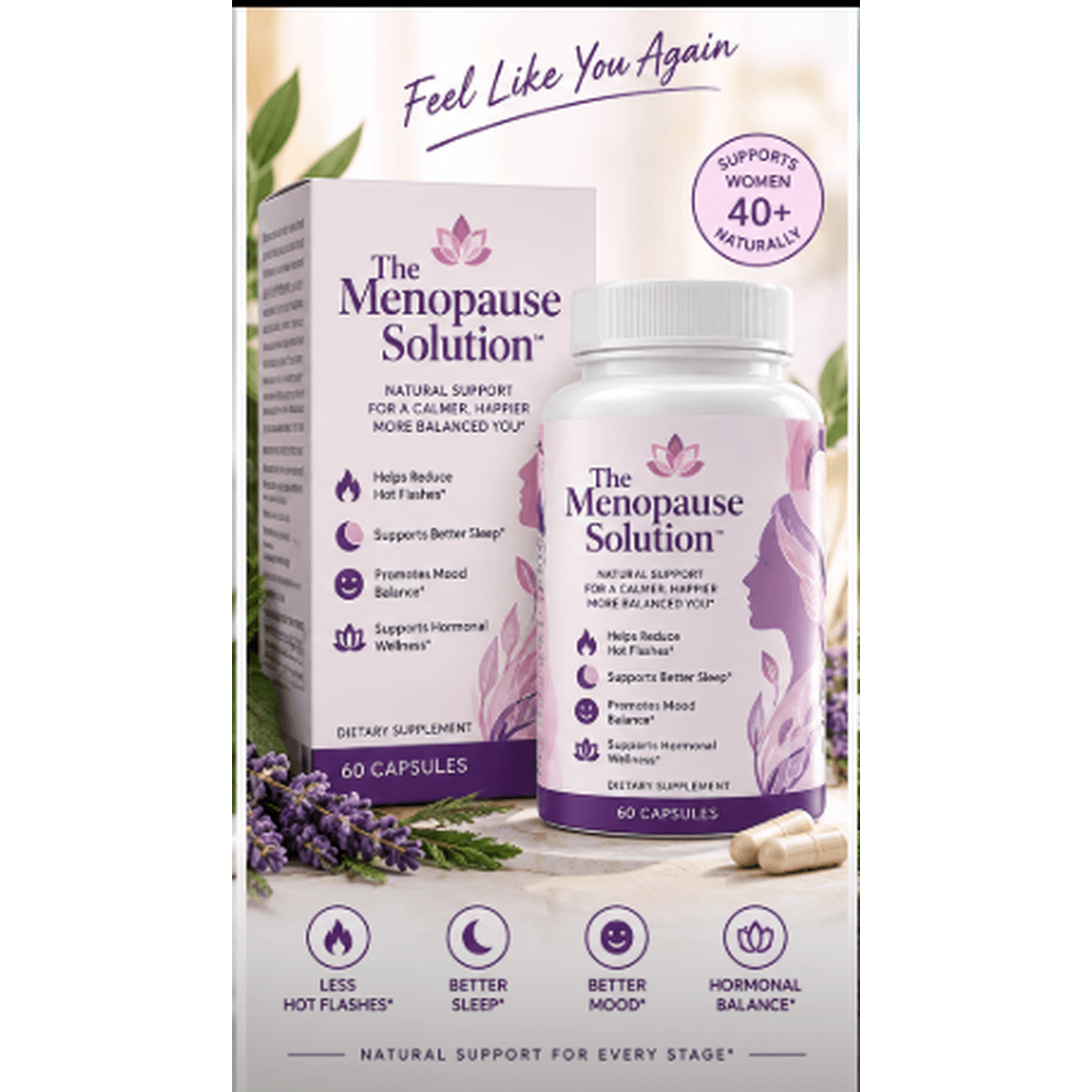
- The Menopause Solution is a digital guide from Blue Heron Health News (an ebook with a 21-day plan, videos, and an audiobook), not a supplement. Its publisher describes it as offering relief for menopause symptoms, and those results have not been independently published. Lifestyle approaches matter, but they do not replace medical treatment for troublesome symptoms.
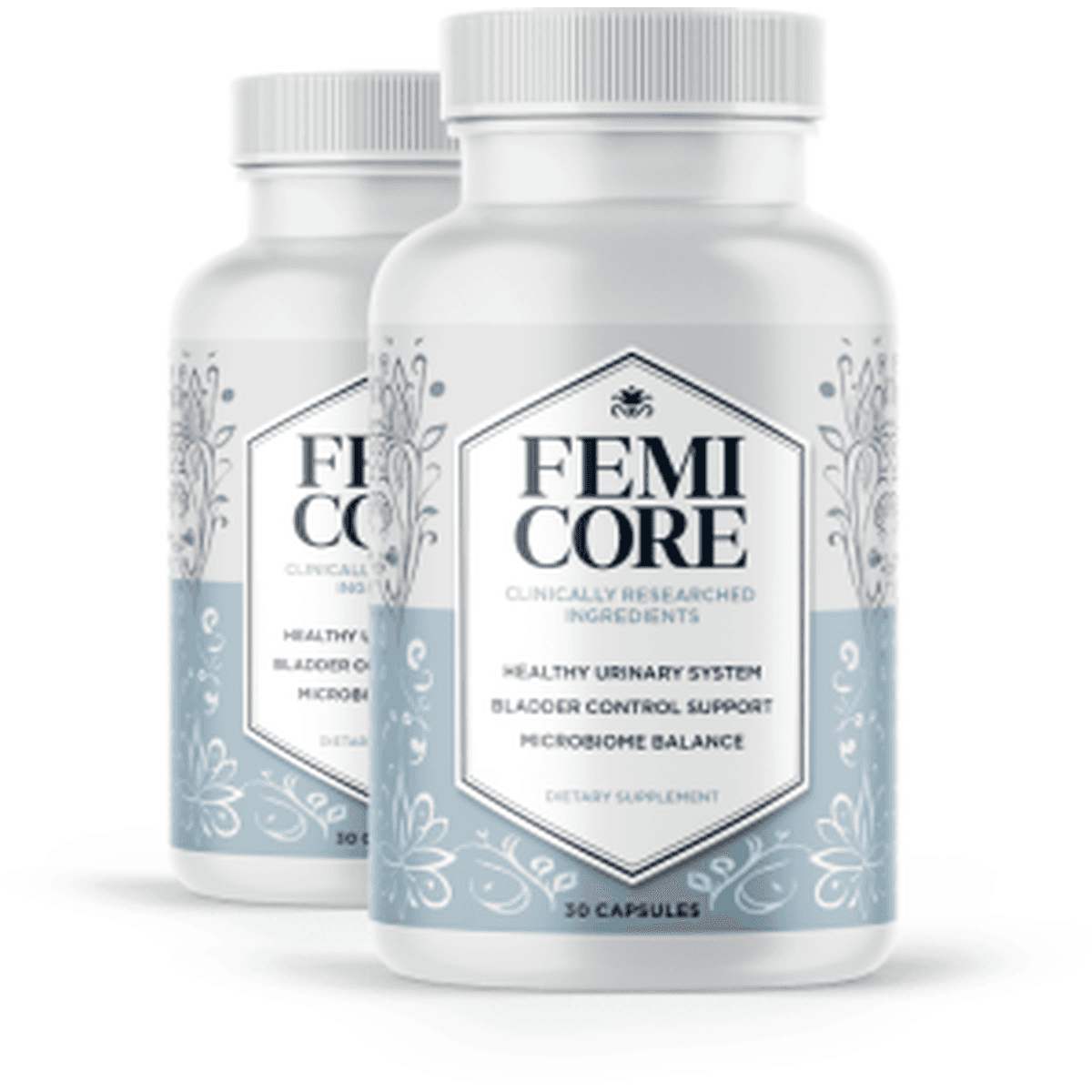
- FemiCore is a capsule marketed for bladder health, not for menopause as such. Our overview notes that its research basis (for example, cranberry for recurrent urinary infections) concerns infections, not bladder leaks.
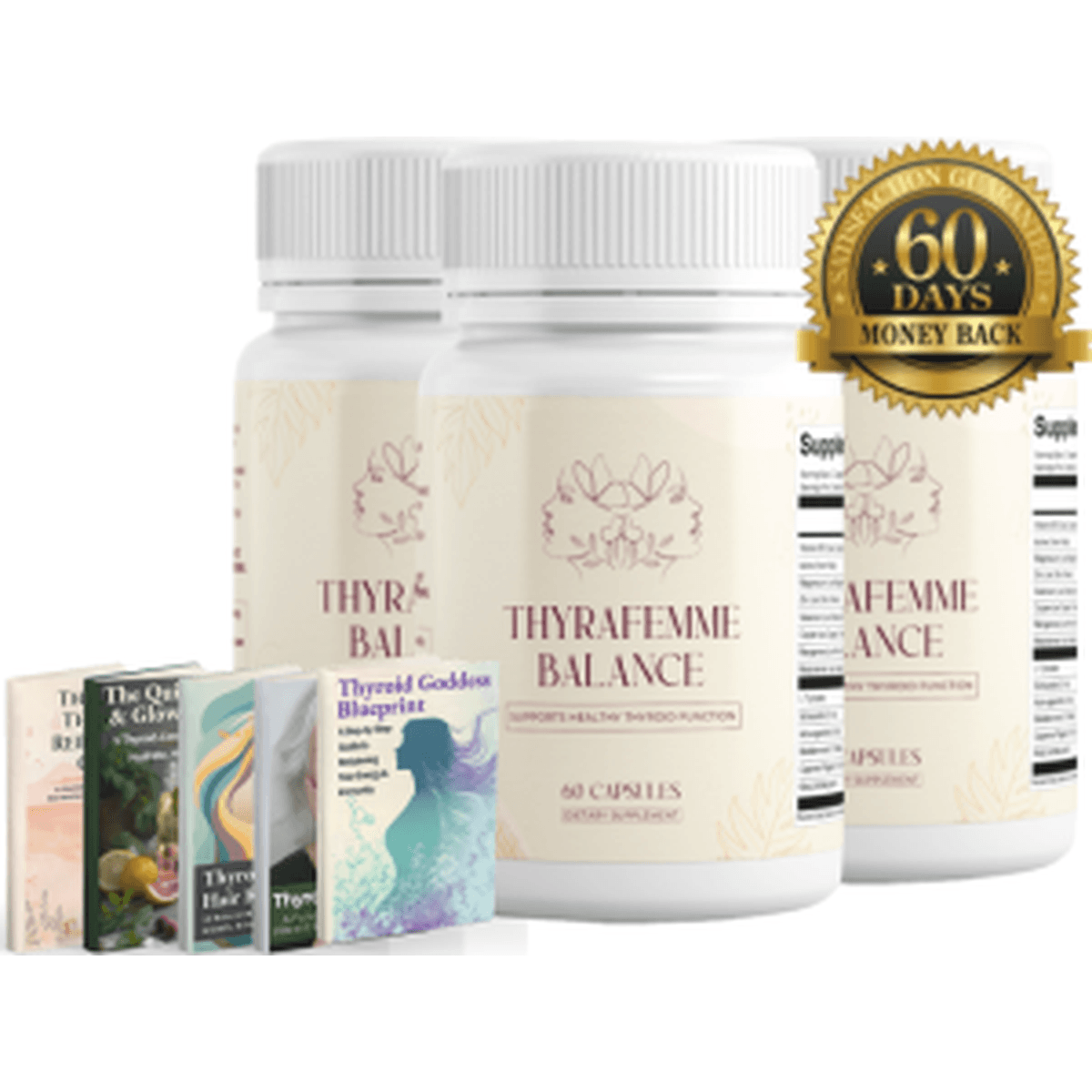
- Thyrafemme Balance is marketed for thyroid balance and contains iodine and seaweed. The NIH Office of Dietary Supplements notes that excess iodine can cause thyroid problems, so anyone with a thyroid condition, or on thyroid medicine, should speak to a doctor first.
Our product overviews describe what each brand publishes, and none of these products is recommended here as a treatment for menopause or hormone disorders.
Safety and Medication Interactions
- Herbs and hormones. Some botanical supplements can act on hormone pathways or interact with medicines, including blood thinners, antidepressants, and thyroid medicine. Ask a pharmacist.
- Iodine and kelp. Can affect thyroid function.
- Breast cancer or hormone-sensitive conditions. Ask your oncologist or doctor before any hormone-active supplement.
- Liver. Some herbal products have been linked to liver injury. Seek medical care for yellowing skin or eyes, dark urine, or severe abdominal pain.
See our guide to understanding supplement interactions.
Frequently Asked Questions
At what age does menopause start?
The average age in the US is about 52, but the transition often begins in the 40s.
How long do hot flashes last?
It varies. For some women they last a few years, and for others longer.
Do supplements relieve menopause symptoms?
Evidence for most supplements is limited or inconsistent. Talk to a healthcare professional about options with better evidence.
Is hormone therapy safe?
It is appropriate for some women and not for others. A clinician can discuss your personal risks and benefits.
Can I get pregnant during perimenopause?
Yes. Pregnancy is still possible until menopause is confirmed.
Final Thoughts
Menopause is a natural transition, and you do not have to cope with troublesome symptoms alone. Healthy habits help, effective medical treatments exist, and most wellness products have much weaker evidence than their marketing suggests. Bring your questions, symptoms, and supplement list to a clinician you trust.
Medical Disclaimer
This article is for general educational purposes only and does not provide medical advice, diagnosis, or treatment. Consult a qualified healthcare professional about menopause symptoms or before taking any supplement.
References and Further Reading
- National Institute on Aging (NIA). What Is Menopause?
- National Center for Complementary and Integrative Health (NCCIH). Menopausal Symptoms: In Depth
- National Center for Complementary and Integrative Health (NCCIH). Black Cohosh
- The North American Menopause Society. (2022). The 2022 hormone therapy position statement of The North American Menopause Society. Menopause.
- NIH Office of Dietary Supplements. Iodine: Fact Sheet for Health Professionals
Related products
- View The Menopause Solution
The Menopause Solution
View product - View FemiCore
FemiCore
View product - View Thyrafemme Balance
Thyrafemme Balance
View product
Related articles
Blood Sugar Support Supplements: Ingredients, Evidence, and Safety
"Blood sugar support" is one of the busiest categories in the supplement market. Bottles promise to "balance," "stabilize," or "support" glucose, often with a list of botanicals an…
Nov 3, 2026
Oral Probiotics Explained: Understanding Strains, Dental Health, and Research
Oral probiotics are chewable tablets, lozenges, and drops that contain live bacteria and are marketed for teeth, gums, and fresh breath. The idea is appealing, but the research is…
Nov 3, 2026
Is Derila Ergo Pillow Legit? An Evidence-Based Buying Guide
"Is the Derila Ergo pillow legit?" is one of the most common questions people ask before ordering, and the answers online range from "total scam" to "perfectly fine." Neither extre…
Oct 31, 2026