
Vitamin D Explained: Sources, Benefits, and Supplement Safety
By the Wellness Center USA editorial team ·
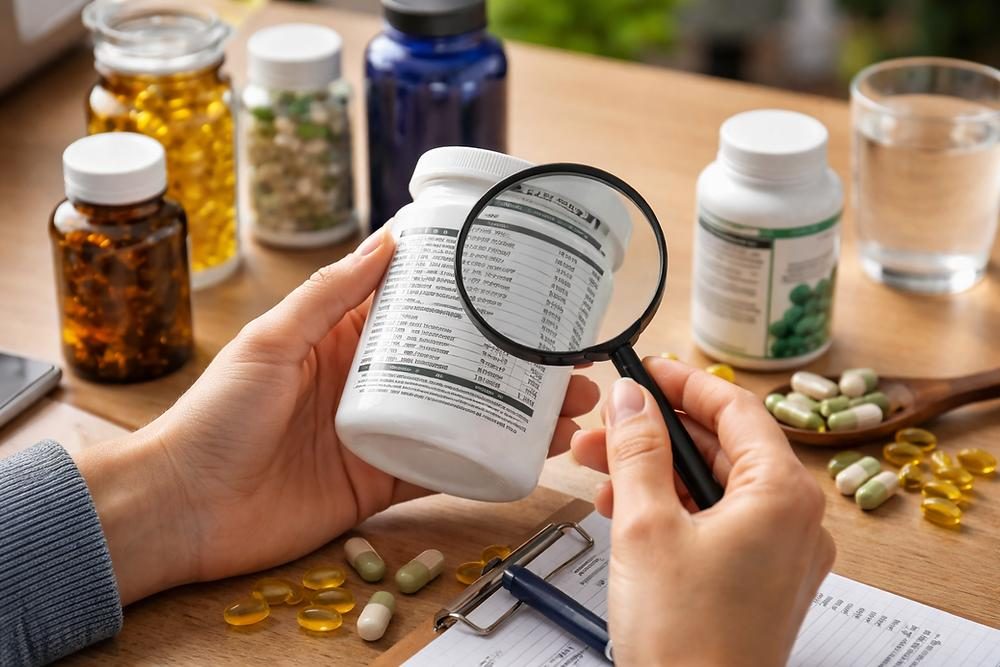
Vitamin D is sometimes called the "sunshine vitamin," and it is one of the most widely supplemented nutrients in the United States. It is also one of the easiest to overdo, because more is not better and the marketing often runs ahead of the evidence. This article explains what vitamin D does, where it comes from, who may be at risk of low levels, and how to think about supplements safely.
What Does Vitamin D Do?
Vitamin D is a fat-soluble vitamin that works more like a hormone in the body. Its best-established job is helping the body absorb calcium from food and keep calcium and phosphate at the right levels for healthy bones and teeth. It also plays a role in muscle function, nerve signaling, and the immune system.
Severe, long-lasting deficiency can cause rickets in children, where bones soften and bend, and osteomalacia in adults, which causes bone pain and muscle weakness. Lower levels are also associated with a higher risk of falls and fractures in older adults, although studies of supplements have had mixed results on those outcomes.

How Much Do You Need?
The NIH Office of Dietary Supplements (ODS) lists the Recommended Dietary Allowance (RDA) as:
- 600 IU (15 micrograms) a day for most people aged 1 to 70, including pregnant and breastfeeding women
- 800 IU (20 micrograms) a day for adults over 70
- 400 IU (10 micrograms) a day is the adequate intake for infants up to 12 months
The tolerable upper intake level for most adults is 4,000 IU (100 micrograms) a day. That is the highest daily intake not likely to cause harm for most people, and it is not a target. Higher doses are sometimes prescribed by a doctor for a diagnosed deficiency, and they should be taken only under medical supervision.
(Vitamin D is measured in micrograms or international units. 1 microgram equals 40 IU.)
Sources of Vitamin D
Food
Few foods naturally contain much vitamin D. The ODS lists these as examples:
- Fatty fish such as trout, salmon, tuna, and sardines
- Cod liver oil (very high, and also high in vitamin A)
- Egg yolks, in small amounts
- Beef liver, in small amounts
- Mushrooms exposed to ultraviolet light
- Fortified foods such as milk, some plant milks, some yogurts, orange juice, and breakfast cereals
In the United States, most vitamin D in the diet comes from fortified foods. Check labels, because fortification varies.
Sunlight
The skin makes vitamin D when exposed to ultraviolet B (UVB) rays from the sun. How much you make depends on the time of day, season, latitude, cloud cover, skin pigmentation, age, and how much skin is uncovered. Sunscreen reduces production, but the ODS notes that people who use sunscreen as directed and cover up generally still make some vitamin D, and that many people get enough this way.
Sun exposure is also the main cause of skin cancer. Health authorities, including the CDC and the American Academy of Dermatology, do not recommend seeking extra sun or tanning in order to raise vitamin D. If you are concerned about your levels, food and supplements are safer routes than deliberate sun exposure.
Supplements
Supplements come as vitamin D2 (ergocalciferol) or vitamin D3 (cholecalciferol), alone or in multivitamins and calcium products. Our comparison of vitamin D2 and vitamin D3 explains the differences.
Who May Be at Risk of Low Vitamin D?
The ODS and other health bodies identify groups at higher risk of low levels:
- Breastfed infants, because human milk is low in vitamin D (pediatric guidance recommends a supplement for many breastfed infants; ask a pediatrician)
- Older adults, because skin makes less and kidneys convert it less well
- People with limited sun exposure, such as those who are housebound, wear covering clothing, or live at northern latitudes
- People with darker skin, because melanin reduces vitamin D production
- People with conditions that reduce fat absorption, such as Crohn's disease, celiac disease, or cystic fibrosis, or who have had gastric bypass surgery
- People with obesity, because vitamin D can be stored in body fat
- People with kidney or liver disease
Testing and When Supplements May Be Appropriate
Vitamin D status is measured with a blood test for 25-hydroxyvitamin D. Levels below about 12 ng/mL (30 nmol/L) are generally considered deficient, and levels of 20 ng/mL (50 nmol/L) or higher are considered adequate for most people, according to the ODS, though experts debate the best target.
The U.S. Preventive Services Task Force has concluded that there is not enough evidence to recommend routine screening for vitamin D deficiency in adults without symptoms. Testing may be appropriate if you have symptoms, a medical condition, or risk factors, as decided with your healthcare professional.
Supplements may make sense if:
- your doctor has found low levels,
- you are in a higher-risk group,
- your diet and sun exposure are limited, or
- you have been given specific advice for bone health.
A large trial of about 25,000 US adults (VITAL) found that 2,000 IU a day of vitamin D3 did not reduce the risk of cancer or major cardiovascular events in generally healthy people. That is one reason why experts do not suggest that everyone take high doses.
Vitamin D2 Versus D3
Both raise blood levels of vitamin D. Some studies and analyses suggest D3 may raise levels more effectively and maintain them longer, though the clinical importance of that difference is not settled. D2 is derived from plants and fungi, and D3 from animals (such as lanolin from sheep's wool), with vegan D3 from lichen also available. See our comparison for the full picture.
Risks of Too Much Vitamin D
Vitamin D toxicity is uncommon from food and sunlight, but it can happen with excessive supplements. Too much can raise blood calcium (hypercalcemia), causing nausea, vomiting, weakness, frequent urination, confusion, and in severe cases kidney stones, kidney damage, and abnormal heart rhythms.
To stay safe:
- Do not exceed the upper limit (4,000 IU a day for adults) unless a doctor has told you to.
- Count all sources. Multivitamins, calcium-plus-D products, cod liver oil, and fortified foods all contribute.
- Avoid "megadose" products and be careful with liquid drops, where a small measuring error can lead to a large dose.
- Check labels for the amount per serving and the serving size.
Medication Interactions and Professional Advice
Talk to a doctor or pharmacist before starting vitamin D if you take:
- Corticosteroids such as prednisone, which can reduce vitamin D absorption and metabolism
- Weight-loss medicine orlistat or cholesterol-binding medicines such as cholestyramine, which can reduce absorption
- Some seizure medicines (phenobarbital, phenytoin), which can speed up the breakdown of vitamin D
- Thiazide diuretics, which can raise calcium levels when combined with high vitamin D
- Digoxin, as high calcium can affect heart rhythm
Also seek advice if you have kidney disease, sarcoidosis, hyperparathyroidism, or a history of kidney stones.
Frequently Asked Questions
Can I get enough vitamin D from food alone?
It can be difficult, because few foods are rich in it. Fortified foods and fatty fish help, and some people need supplements.
Is it safe to take vitamin D every day?
At or below recommended amounts, daily use is considered safe for most healthy adults. Ask your healthcare provider about your own needs.
What time of day should I take vitamin D?
It is fat-soluble, so taking it with a meal that includes some fat may help absorption. There is no strictly proven best time.
Do I need a vitamin D test?
Not necessarily. Ask your doctor, especially if you have symptoms or risk factors.
Does sunscreen cause vitamin D deficiency?
Sunscreen reduces vitamin D production in the skin, but in everyday use it does not appear to cause deficiency in most people. Do not skip sun protection.
Final Thoughts
Vitamin D matters for bones, muscles, and overall health, and low levels are common in some groups. But taking more is not automatically better. Focus on foods, use sun protection, and talk to a healthcare professional about testing and supplements before taking high doses.
Medical Disclaimer
This article is for general educational purposes only and does not provide medical advice, diagnosis, or treatment. Consult a qualified healthcare professional before taking vitamin D or any supplement, especially if you take medicines, are pregnant, or have a medical condition.
References and Further Reading
- NIH Office of Dietary Supplements. Vitamin D: Fact Sheet for Consumers
- NIH Office of Dietary Supplements. Vitamin D: Fact Sheet for Health Professionals
- Manson JE, et al. (2019). Vitamin D Supplements and Prevention of Cancer and Cardiovascular Disease (VITAL). New England Journal of Medicine.
- U.S. Preventive Services Task Force. Vitamin D Deficiency in Adults: Screening
- Centers for Disease Control and Prevention (CDC). Skin Cancer: Sun Safety
Related articles
Blood Sugar Support Supplements: Ingredients, Evidence, and Safety
"Blood sugar support" is one of the busiest categories in the supplement market. Bottles promise to "balance," "stabilize," or "support" glucose, often with a list of botanicals an…
Nov 3, 2026
Women's Health During Menopause: Understanding Common Changes and Wellness Options
Menopause is a normal stage of life, but the years around it can bring changes that feel anything but normal: hot flashes, broken sleep, shifting moods, and questions about bone an…
Nov 3, 2026
Oral Probiotics Explained: Understanding Strains, Dental Health, and Research
Oral probiotics are chewable tablets, lozenges, and drops that contain live bacteria and are marketed for teeth, gums, and fresh breath. The idea is appealing, but the research is…
Nov 3, 2026