
How to Improve Sleep Naturally: 10 Healthy Habits That May Help
By the Wellness Center USA editorial team ·

Most adults need seven or more hours of sleep a night, according to the Centers for Disease Control and Prevention (CDC), yet many people regularly fall short. Poor or short sleep is linked with trouble concentrating, low mood, and a higher risk of several long-term health problems.
The good news is that many everyday habits can make it easier to fall asleep, stay asleep, and wake up feeling more rested. None of them is a quick fix, and they work best when you practise them consistently. This guide walks through ten habits supported by sleep research and public-health guidance, explains the most common sleep problems, and tells you when it is time to talk to a professional.
1. Why Sleep Matters for Overall Health
Sleep is not simply downtime. While you sleep, your body and brain carry out processes that support memory, mood, immune function, hormone balance, and the repair of tissues.
The National Heart, Lung, and Blood Institute (NHLBI) explains that regularly not getting enough sleep is associated with a higher risk of high blood pressure, heart disease, type 2 diabetes, obesity, and depression. Short sleep also affects day-to-day performance: slower reaction times, poorer attention, and more mistakes.
Needs vary a little from person to person, but the CDC's general guidance for adults aged 18 to 60 is seven or more hours per night. Older adults often need similar amounts, even though their sleep may be lighter and more broken.
2. Maintain a Consistent Sleep Schedule
Your body runs on an internal clock, called the circadian rhythm, which is influenced by light, meal times, and activity. Going to bed and waking up at roughly the same time every day helps keep this clock steady, which can make falling asleep easier.
Practical steps:
- Pick a wake-up time you can keep on most days, then count back at least seven hours to find your target bedtime.
- Try to keep weekends within an hour or so of your weekday schedule. Large differences, sometimes called "social jet lag", can leave you feeling groggy on Monday.
- Get outdoor light soon after waking. Morning daylight helps anchor your body clock.
- If you nap, keep it short (around 20 to 30 minutes) and avoid napping late in the afternoon.
3. Create a Relaxing Bedtime Routine
Your brain does not switch off instantly. A wind-down routine of 30 to 60 minutes signals that the day is ending.
Ideas that many people find helpful:
- Take a warm shower or bath. The drop in body temperature afterwards can promote sleepiness.
- Read something calming on paper or listen to quiet music or an audiobook.
- Try gentle stretching, slow breathing, or a short guided relaxation.
- Write down tomorrow's to-do list, or any worries, so they are not circling in your head.
Keep the routine simple and repeatable. The aim is to link a predictable sequence of activities with sleep.
4. Make Your Bedroom Comfortable
The CDC and sleep organisations recommend a bedroom that is quiet, dark, relaxing, and a comfortable temperature. Most people sleep best in a slightly cool room.

Consider these adjustments:
- Light: Use blackout curtains or an eye mask, and cover or remove glowing electronics.
- Noise: Earplugs, a fan, or steady background "white noise" can mask disruptive sounds.
- Temperature: Many people prefer a cool room, often in the mid-to-high 60s °F (about 18–20 °C), though comfort is personal.
- Bed and bedding: A mattress and pillow that suit your sleeping position can reduce aches that wake you. Side sleepers often need a thicker pillow to keep the neck level; back sleepers usually need a thinner one.
- Keep the bed for sleep: Working or scrolling in bed can teach your brain to associate it with alertness.
If neck or shoulder discomfort is part of the problem, a supportive pillow may be worth considering. Our independent overview of the Derila Ergo Neck Support Pillow explains how the manufacturer describes its contoured memory-foam design and what to check before buying. A pillow cannot treat an underlying medical problem, so see a doctor if pain is persistent.
5. Limit Caffeine Late in the Day
Caffeine blocks a chemical signal that builds up sleep pressure, and it can stay in your body for many hours. Even if you fall asleep after an afternoon coffee, your sleep may be lighter.
Sleep experts commonly suggest:
- Avoid caffeine in the afternoon and evening, and consider a cut-off at least six hours before bed.
- Remember hidden sources: tea, cola, energy drinks, pre-workout powders, and chocolate.
- Be careful with alcohol. A drink may make you feel drowsy, but it tends to fragment sleep later in the night and can worsen snoring and breathing problems.
- Avoid large, heavy meals close to bedtime. A light snack is fine if you are hungry.
6. Manage Evening Screen Time
Phones, tablets, and televisions can delay sleep in two ways: the light they emit may suppress your body's natural evening rise in melatonin, and the content (news, social media, thrillers) keeps your mind active.
Helpful steps:
- Put screens away 30 to 60 minutes before bed.
- If you must use a device, turn down the brightness and use a night-mode setting, but note that this reduces rather than removes the effect.
- Charge your phone outside the bedroom or across the room, so late-night notifications do not wake you.
7. Exercise Regularly
Regular physical activity is associated with falling asleep faster and spending more time in deep sleep. The CDC recommends adults aim for at least 150 minutes of moderate-intensity activity a week, plus muscle-strengthening on two days.
Timing matters for some people. Vigorous exercise very close to bedtime can leave certain individuals feeling too alert, so you may prefer to finish intense workouts a few hours before bed. Gentle activity such as an evening walk or stretching is rarely a problem.
8. Understand Common Sleep Problems
Occasional bad nights are normal. Sleep problems become a concern when they happen often and affect daytime life.
- Insomnia: difficulty falling asleep, staying asleep, or waking too early, at least three nights a week for three months or more, with daytime effects. Cognitive behavioural therapy for insomnia (CBT-I) is recommended as a first-line treatment by medical guidelines, ahead of sleeping tablets.
- Obstructive sleep apnoea: repeated pauses in breathing during sleep. Warning signs include loud snoring, gasping or choking at night, and strong daytime sleepiness. It needs medical assessment and treatment.
- Restless legs syndrome: an urge to move the legs, especially in the evening, that can make settling difficult.
- Sleep that is disrupted by other conditions: pain, anxiety, depression, reflux, an overactive bladder, and some medicines can all affect sleep.
What about supplements?
Many people ask about supplements. The U.S. National Center for Complementary and Integrative Health (NCCIH) notes that melatonin may help with jet lag and some sleep-timing problems, and appears safe for short-term use in most adults, but evidence for long-term use is limited. Product quality also varies.
Some products combine melatonin with other ingredients such as magnesium, L-theanine, and herbs. If you are curious, our independent overview of Renew, a bedtime capsule, sets out the ingredients the brand lists, what is and is not published, and the safety points to check, such as interactions with antidepressants. Speak with a doctor or pharmacist before combining any supplement with medication, and do not drive after taking sedating products.
9. When to Seek Professional Advice
Make an appointment with your doctor if:
- trouble sleeping lasts more than a few weeks or happens most nights;
- you feel very sleepy during the day, or fall asleep at the wheel;
- a partner notices loud snoring, gasping, or pauses in your breathing;
- you have uncomfortable sensations in your legs at night;
- low mood, anxiety, or pain seems to be driving the problem; or
- you rely on alcohol or over-the-counter sleep aids to fall asleep.
A doctor can look for treatable causes, review medicines, and arrange a sleep study or CBT-I if appropriate.
10. Frequently Asked Questions
How many hours of sleep do I need?
Most adults need seven or more hours a night, according to the CDC. Teenagers and children need more. If you regularly sleep seven to nine hours yet still feel exhausted, speak with a doctor.
Is it bad to hit the snooze button?
Repeated snoozing offers broken, low-quality sleep. Many people feel better setting the alarm for when they really need to get up and moving to daylight.
Can I catch up on sleep at the weekend?
A longer lie-in can ease short-term tiredness, but it does not fully undo regular weekday sleep loss, and big schedule changes can disturb your body clock. Aim for a consistent routine.
Does a warm bath help you sleep?
For some people, yes. A warm bath or shower an hour or two before bed may help, partly because your body temperature falls afterwards.
Are sleep supplements safe?
It depends on the ingredient, the dose, your health, and the medicines you take. Check with a healthcare professional first, particularly if you are pregnant, have a medical condition, or take other medicines.
Why do I wake up at 3 a.m.?
Brief awakenings are normal. Frequent early waking can relate to stress, alcohol, noise, light, temperature, a full bladder, or conditions such as sleep apnoea. If it happens often, ask a doctor.
Final Thoughts
Better sleep rarely comes from one trick. It comes from a handful of small, steady habits: a regular schedule, a calm evening routine, a comfortable bedroom, sensible caffeine and alcohol limits, daytime movement, and attention to screen use. Start with one or two changes, give them a few weeks, and build from there.
If you try these habits and still struggle, that is useful information, not a personal failure. A healthcare professional can help you find the cause.
Medical Disclaimer
This article is intended for general educational purposes only and does not provide medical advice, diagnosis, or treatment. Individual needs and responses vary. Consult a qualified healthcare professional about persistent sleep problems or before taking any supplement. Product mentions link to independent overviews; they are not recommendations or guarantees of results.
References and Further Reading
- Centers for Disease Control and Prevention (CDC). About Sleep
- National Heart, Lung, and Blood Institute (NHLBI). Sleep Deprivation and Deficiency
- National Heart, Lung, and Blood Institute (NHLBI). Insomnia
- National Center for Complementary and Integrative Health (NCCIH). Melatonin: What You Need To Know
- Centers for Disease Control and Prevention (CDC). Adult Activity: An Overview
Related products
- View Derila Ergo Neck Support Pillow

Derila Ergo Neck Support Pillow
View product - View Renew
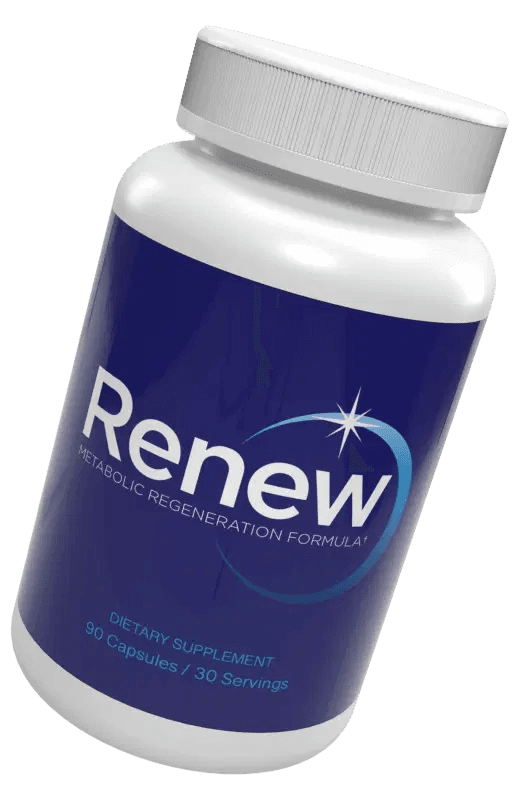
Renew
View product
Related articles
Blood Sugar Support Supplements: Ingredients, Evidence, and Safety
"Blood sugar support" is one of the busiest categories in the supplement market. Bottles promise to "balance," "stabilize," or "support" glucose, often with a list of botanicals an…
Nov 3, 2026
Women's Health During Menopause: Understanding Common Changes and Wellness Options
Menopause is a normal stage of life, but the years around it can bring changes that feel anything but normal: hot flashes, broken sleep, shifting moods, and questions about bone an…
Nov 3, 2026
Oral Probiotics Explained: Understanding Strains, Dental Health, and Research
Oral probiotics are chewable tablets, lozenges, and drops that contain live bacteria and are marketed for teeth, gums, and fresh breath. The idea is appealing, but the research is…
Nov 3, 2026