A Practical Guide to Understanding Supplement Interactions
Oct 29, 2026
Many people take a supplement and a medicine on the same day without a second thought. Most of the time that is fine, but sometimes it is not. Supplements can change how medicines work, medicines can change how supplements work, and two supplements can overlap in ways you do not expect. This guide explains the main types of interactions and how to protect yourself. It is general information and cannot tell you what is safe for your own medicines.
What Is a Supplement Interaction?
An interaction happens when one substance changes the effect of another. In this context, it can mean:
- a supplement reducing or increasing the effect of a medicine,
- a medicine changing how well you absorb a nutrient,
- two supplements adding together to give a larger effect (or a risky total dose), or
- a supplement making a health condition worse.
The NIH Office of Dietary Supplements and NCCIH both advise people to tell their healthcare providers about all supplements they use, including vitamins, minerals, herbs, and probiotics, because supplements can interact with medicines.

How Interactions Happen
- Absorption. One substance can block or help the absorption of another.
- Metabolism. Many medicines are broken down by liver enzymes. Some herbs can speed up or slow down those enzymes, changing the level of medicine in the blood. St. John's wort is a well-known example that can reduce the effectiveness of many medicines.
- Combined effects. Two substances with similar actions, such as two that thin the blood or cause drowsiness, can add together.
- Opposing effects. A supplement can work against a medicine, such as vitamin K and warfarin.
Supplements and Prescription Medicines
Examples that health authorities highlight (not a complete list):
- Vitamin K can reduce the effect of the blood thinner warfarin, and consistent intake matters.
- St. John's wort can reduce the effect of some antidepressants, birth control pills, transplant medicines, HIV medicines, and others, and can add to the effect of some antidepressants, causing serotonin-related side effects.
- Potassium supplements can raise potassium too high in people who take certain blood pressure medicines (ACE inhibitors, ARBs, or potassium-sparing diuretics) or who have kidney disease.
- Calcium, iron, magnesium, and zinc can reduce the absorption of some antibiotics and thyroid medicine if taken together (see below).
- Herbs that cause drowsiness may add to sedatives.
Supplements and Over-the-Counter Medicines
Over-the-counter products also count:
- Antacids may contain calcium, magnesium, or aluminum, which affect absorption of other medicines.
- Pain relievers such as aspirin or NSAIDs can raise bleeding risk when combined with supplements that affect clotting.
- Cold and sleep products can contain stimulants, antihistamines, or caffeine that add to those in supplements.
- Laxatives may contain magnesium.
Multiple Supplements With the Same Ingredient
Many multi-ingredient products overlap. For example, a multivitamin, a calcium-with-D product, and a "bone health" formula can all contain vitamin D. A sleep formula, a magnesium product, and an antacid can all contain magnesium. Taking several products can push your total intake above the tolerable upper intake level for some nutrients. Add up the amounts from all sources. Our articles on vitamin D, omega-3, and magnesium for sleep mention upper limits and interactions.
Blood-Thinning Medication Considerations
If you take an anticoagulant (such as warfarin, apixaban, or rivaroxaban) or an antiplatelet medicine (such as aspirin or clopidogrel), ask your pharmacist or clinician before taking any supplement. Some supplements, including high-dose fish oil, vitamin E, ginkgo, garlic extracts, ginger, and others, may affect bleeding or clotting, and the evidence varies. Do not stop or change prescribed treatment on your own.
Stimulants and Caffeine-Containing Products
Pre-workout powders, energy drinks, fat burners, and some teas and "focus" supplements can contain caffeine and other stimulants. Combined products can add up quickly, increasing heart rate, blood pressure, anxiety, and sleep problems, and they may interact with ADHD medicines, heart medicines, and thyroid medicines. Check the total caffeine from all sources. See our guide to reading a supplement label.
Mineral Supplements and Medicine Absorption
Minerals such as calcium, iron, magnesium, and zinc can bind to some medicines in the gut, which reduces absorption. Examples include certain antibiotics (tetracyclines and quinolones), thyroid hormone replacement (levothyroxine), and some osteoporosis medicines. Pharmacists often advise spacing these by several hours, but the right gap depends on the medicine, so ask your pharmacist about your specific situation.
Why Health Conditions Matter
Interactions are not only with medicines. Supplements can matter more if you have:
- kidney or liver disease,
- heart conditions or high blood pressure,
- diabetes,
- thyroid or autoimmune disease,
- a bleeding or clotting disorder,
- an upcoming surgery, or
- pregnancy or breastfeeding.
Ask about supplements before any planned procedure, since some can affect bleeding, blood pressure, or anesthesia.
How to Keep an Accurate Supplement List
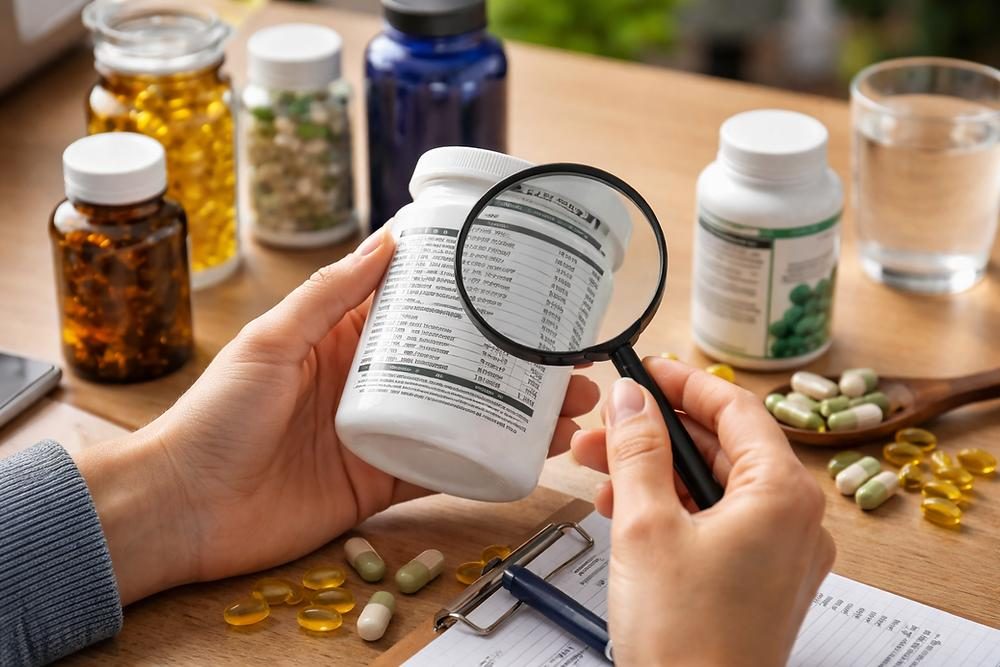
- Write down everything: name, brand, form, strength per serving, how many you take, how often, and why.
- Include vitamins, minerals, herbs, powders, gummies, teas, energy drinks, and over-the-counter medicines.
- Photograph the labels, including the Supplement Facts panel, or bring the bottles.
- Update the list when you change products.
- Share it with your doctor, pharmacist, and dentist, and keep a copy in your phone or wallet.
Questions to Ask a Pharmacist
- Could any of my supplements interact with my medicines or conditions?
- Are there supplements I should avoid altogether?
- Should I take them at a different time from my medicines?
- Does the total of my products exceed safe upper limits?
- What should I watch for, and when should I call?
- Is this product tested by a third party?
Identifying Misleading Safety Claims
Be skeptical of:
- "Natural, so safe." Natural does not mean harmless.
- "No side effects" or "no known interactions." Absence of evidence is not proof of safety.
- "FDA approved." The FDA does not approve supplements before sale.
- "Safe with all medications." No product is safe with all medicines.
- Testimonials instead of safety information.
- Missing warnings on products with active ingredients.
Our guide to choosing dietary supplements safely has a full checklist.
Frequently Asked Questions
Do I need to tell my doctor about vitamins?
Yes. Vitamins, minerals, herbs, and probiotics can all matter.
Is it safe to take supplements with my medicines?
It depends on the supplement, your medicines, and your conditions. Ask a pharmacist.
Should I stop a supplement before surgery?
Tell your surgical team about all supplements, and follow their instructions.
Can I look up interactions myself?
Reliable sources such as the NIH Office of Dietary Supplements, MedlinePlus, and LiverTox can help, but they cannot replace a pharmacist who knows your medicines.
Who should I contact if I have a reaction?
Seek medical help for serious symptoms such as trouble breathing, swelling, chest pain, or fainting, and report problems to your healthcare provider and to the FDA.
Final Thoughts
Supplements and medicines can work well together, but only when someone has checked. Keep a complete list, read labels for overlapping ingredients, ask a pharmacist about your specific medicines, and never stop or change prescribed treatment on your own.
Medical Disclaimer
This guide is for general educational purposes only and does not provide medical advice. It does not tell you to start, stop, or change any medicine or supplement. Consult a pharmacist or qualified clinician about your specific medicines and supplements.
References and Further Reading
- NIH Office of Dietary Supplements. Dietary Supplements: What You Need To Know
- National Center for Complementary and Integrative Health (NCCIH). Using Dietary Supplements Wisely
- MedlinePlus. Dietary Supplements
- U.S. Food and Drug Administration. Dietary Supplements
- National Library of Medicine. LiverTox: Clinical and Research Information on Drug-Induced Liver Injury