
How to Read a Supplement Label: A Practical Consumer Guide
Oct 28, 2026
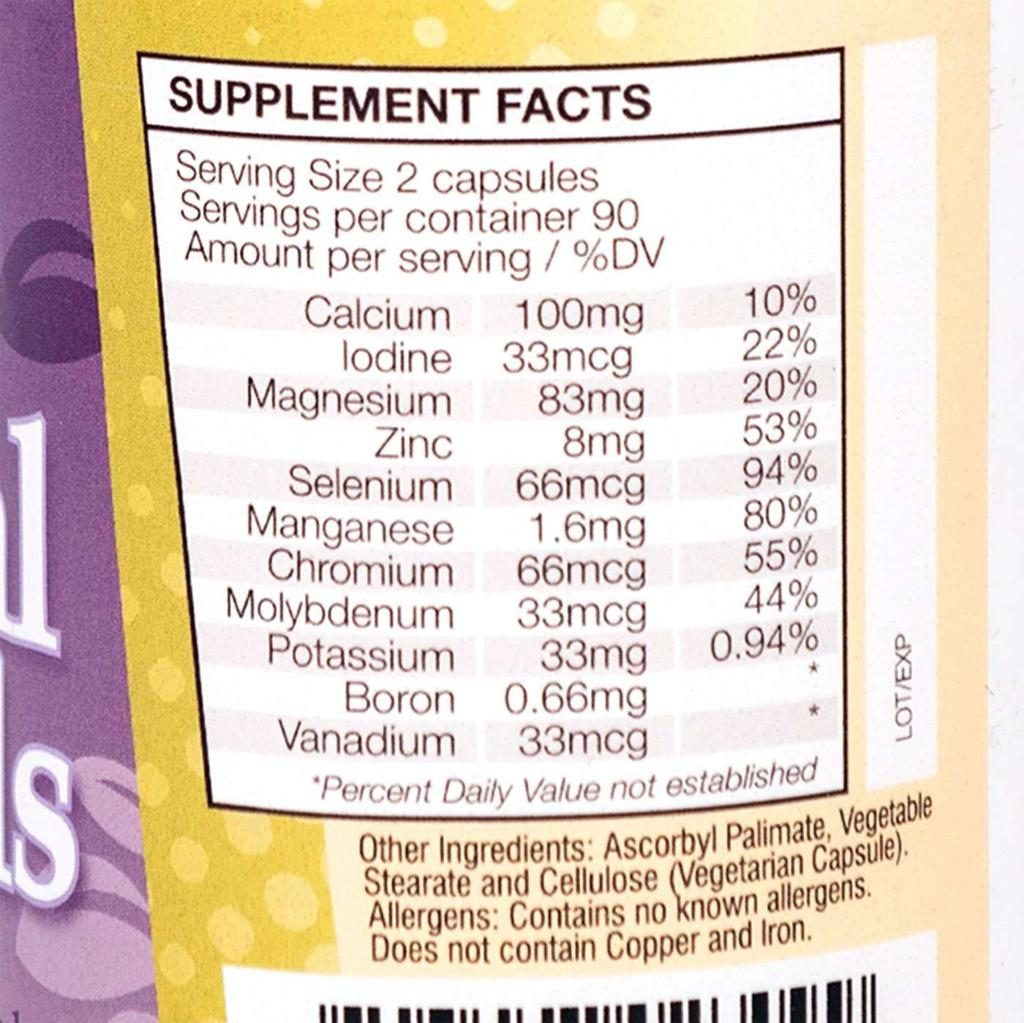
A supplement label is a small piece of packaging with a lot of information, and some of it is easy to misread. The front says what the marketing team wants you to notice. The back, especially the Supplement Facts panel, tells you what you are actually taking. This guide walks through each part of a US label, what it means, and where to be careful.
For a broader decision framework, see our guide to choosing dietary supplements safely. This guide focuses on the label itself.

Start With the Basics: How Labels Are Regulated
In the United States, dietary supplements are regulated by the FDA as foods, not as drugs. The FDA does not approve supplements for safety or effectiveness before they are sold. Manufacturers are responsible for making sure a product is safe and that its label is truthful, and the FDA can take action if a product is unsafe or mislabeled. A label that looks official is not proof that a product has been tested or approved.
Labels must include a Supplement Facts panel, an ingredient list, and the name and place of business of the manufacturer, packer, or distributor.
1. Serving Size
At the top of the Supplement Facts panel you will find the serving size, such as "2 capsules" or "1 scoop (5 g)." Everything else on the panel refers to this one serving. A common trap is that the amount on the front may be per two or three capsules, so if you take one, you get a third of it.
2. Servings Per Container
This tells you how many servings are in the package and lets you work out how long it lasts and the cost per serving. A bottle with "60 capsules" and a serving size of 2 lasts 30 days.
3. Active Ingredients and Amount Per Serving
The panel lists each dietary ingredient and its amount per serving, in milligrams (mg), micrograms (mcg), grams (g), or international units (IU). Check:
- The form, such as magnesium citrate versus magnesium oxide. The amount may be listed as the compound weight or as elemental amount. Look for wording such as "(as magnesium citrate)."
- Units. 1,000 mcg equals 1 mg, and unit conversions for vitamins such as vitamin D (40 IU per microgram) can be confusing.
- Extracts and ratios. "Herbal extract 10:1" means the extract is concentrated, and the amount may not match the weight of the raw plant.
- Proprietary blends. A blend lists a total weight and the ingredients in descending order of weight, but not each amount. You cannot tell how much of each ingredient is in it, which makes it hard to compare with research doses.
4. Percent Daily Value (%DV)
The %DV shows how much one serving contributes to a daily reference amount. For many nutrients, 100% DV is a reasonable daily target, but for some, especially minerals and fat-soluble vitamins, the amount in a supplement can far exceed 100% DV. Remember that the DV is not the same as a safe upper limit. The NIH Office of Dietary Supplements lists tolerable upper intake levels for many nutrients. A dagger symbol (†) next to an ingredient usually means that no Daily Value has been established.
5. Other Ingredients
Beneath the panel is a list of other ingredients, such as fillers, binders, sweeteners, colors, flavors, coatings, and capsule materials. These can matter if you have dietary restrictions (gelatin, lactose), sensitivities (sugar alcohols such as xylitol or sorbitol), or allergies. Some products add sugar, which adds up when you take gummies.
6. Allergen Statements
US law requires that major food allergens, which include milk, eggs, fish, shellfish, tree nuts, peanuts, wheat, soy, and sesame, be identified on the label when they are present as ingredients. Look for a "Contains" statement or allergens in the ingredient list. Note that a "may contain" or "made in a facility that also processes..." statement is voluntary and not standardized. If you have a serious allergy, ask the manufacturer.
7. Directions and Warnings
Look for suggested use, such as "take one capsule daily with food," and any cautions. Do not exceed the recommended serving. Warnings may mention pregnancy, nursing, children, medications, or health conditions. Their absence does not mean a supplement is safe for everyone.
8. Expiration Dates and Storage
The FDA does not require supplement makers to put an expiration date on the label, but many do, and it can matter for probiotics, oils, and vitamins that degrade. Check the expiry or "best by" date, and store the product as directed, often in a cool, dry place away from sunlight. Do not use products that look, smell, or taste unusual, such as rancid fish oil.
9. Third-Party Testing and Quality Seals
Some products carry seals from independent organizations such as USP, NSF International, or ConsumerLab. These programs may verify that the product contains what the label says in the stated amount, is free of specified contaminants, and has been made under good manufacturing practices.
What a seal can tell you: an independent group checked contents or manufacturing.
What a seal cannot tell you: that the supplement is effective, that it is right for you, or that it is free of interactions.
Verify the seal by searching the certifier's database, because some companies use imitation logos. "Made in a GMP-certified facility" is a manufacturing claim and not the same as a product being tested.
10. Structure/Function Claims
A structure/function claim describes how a nutrient affects the body's normal structure or function, for example "supports bone health" or "supports immune function." These claims do not need FDA approval, but the label must include this disclaimer: "This statement has not been evaluated by the Food and Drug Administration. This product is not intended to diagnose, treat, cure, or prevent any disease."
Supplements are not allowed to claim to treat, cure, or prevent a disease. A product that says it "cures arthritis" or "lowers blood pressure" is making a disease claim and is a red flag.
11. Warning Signs of Misleading Marketing
- "Miracle," "breakthrough," "secret," or "doctor's secret"
- Claims that a product works for many unrelated conditions
- "Clinically proven" with no details on the study, or a study of a single ingredient but not the product
- Fake urgency, such as countdown timers or "limited stock," or unusual discounts
- Testimonials with before-and-after photos
- Claims of "no side effects" or "100% safe"
- Promises such as "guaranteed results"
- Proprietary blends with no amounts
- No clear manufacturer contact details
12. Questions to Ask a Pharmacist or Healthcare Professional
- Does this ingredient interact with my medicines or conditions?
- Is the amount per serving reasonable for me?
- Am I already getting this nutrient from my diet, multivitamin, or other products?
- Is there a form of this ingredient that suits me better?
- Is this product independently tested?
- Should I stop it before surgery or tests?
A Quick Label-Check Table
| Label area | What to check |
|---|---|
| Serving size | Does the amount match how many you plan to take? |
| Amount per serving | Is the form and unit clear? |
| %DV and upper limits | Am I near a safe maximum from all sources? |
| Proprietary blend | Are individual amounts hidden? |
| Other ingredients | Any allergens, sweeteners, or additives I avoid? |
| Claims | Is it a realistic structure/function claim, with the FDA disclaimer? |
| Testing seal | Verified with the certifier? |
| Expiry and storage | Is it in date and stored correctly? |
| Contact details | Can I reach the manufacturer? |
Frequently Asked Questions
Does the FDA approve supplement labels?
No. The FDA sets labeling rules and can act against misleading labels, but it does not review or approve supplements before sale.
What does "natural" mean on a supplement?
It has no standard definition for supplements and does not mean safe.
Does "third-party tested" mean it works?
No. It may mean the contents or quality were checked, not that the product is effective.
Why do some labels list different amounts on the front and back?
The front may refer to the total of several servings or to a different form. Always use the Supplement Facts panel.
How do I report a problem?
Tell your healthcare provider and report it to the FDA through its safety reporting channels.
Final Thoughts
You do not have to memorize regulations to read a supplement label wisely. Look at the serving size, the actual amounts and forms, other ingredients, the quality seals, and the claims. Be skeptical of dramatic marketing, and check with a healthcare professional when you take medicines or have a health condition.
Medical Disclaimer
This guide is for general educational purposes only and does not provide medical advice. Consult a qualified healthcare professional about any supplement.
References and Further Reading
- U.S. Food and Drug Administration. Dietary Supplements
- NIH Office of Dietary Supplements. Dietary Supplements: What You Need To Know
- NIH Office of Dietary Supplements. Dietary Supplement Label Database
- National Center for Complementary and Integrative Health (NCCIH). Using Dietary Supplements Wisely