
How to Improve Gut Health Naturally: Foods, Habits, and Research
By the Wellness Center USA editorial team ·
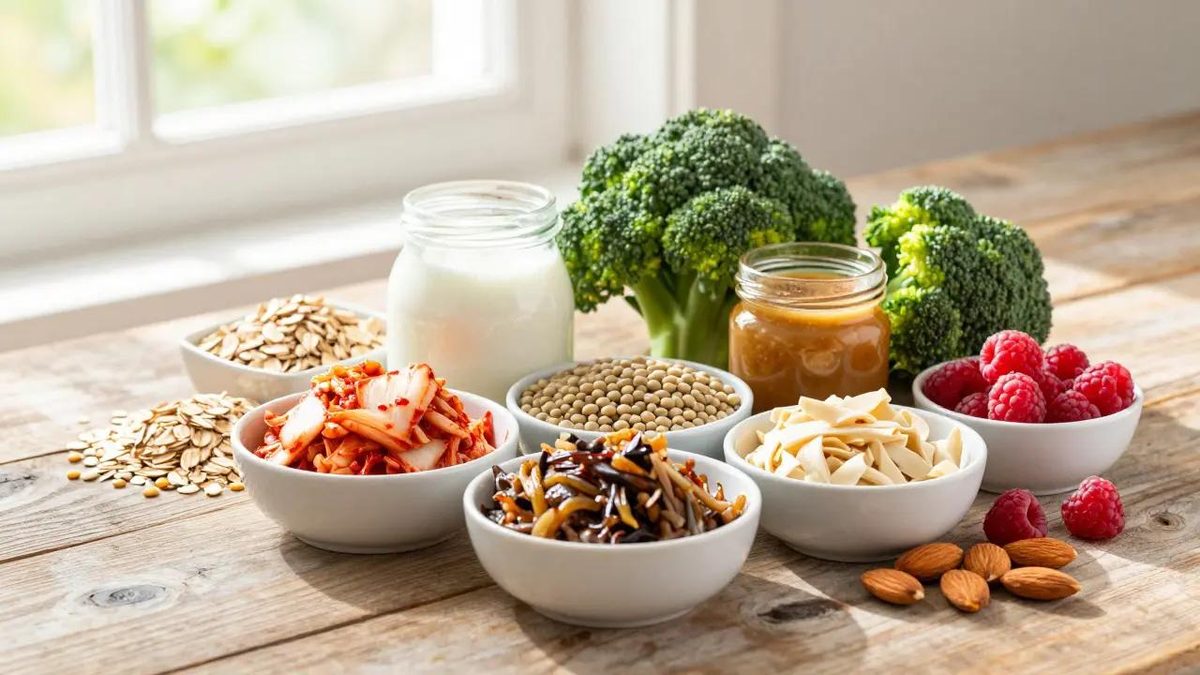
Your digestive tract does far more than break down food. It is home to trillions of microorganisms, collectively called the gut microbiome, that help digest fiber, make certain vitamins and short-chain fatty acids, train your immune system, and crowd out harmful microbes. When people talk about "gut health," they usually mean a digestive system that works comfortably and a microbiome that is diverse and stable.
Science in this area is moving fast, and it is easy to find exaggerated claims. This guide sticks to habits with reasonable support, explains what we do not yet know, and tells you when symptoms deserve a doctor's attention rather than another supplement.
What "Gut Health" Actually Means
There is no single test that proves your gut is "healthy." In practice, doctors look at whether you digest food comfortably, have regular and well-formed bowel movements, maintain a healthy weight, and are free from warning signs such as bleeding or unexplained weight loss.
Researchers also study the microbiome itself. In general, a more diverse community of gut bacteria is associated with better health, while reduced diversity has been linked to conditions such as inflammatory bowel disease and obesity. But association is not proof of cause, and no one has defined an ideal "healthy" microbiome. Many popular microbiome test kits cannot tell you what to change.

1. Eat More Fiber
Fiber is the main fuel for beneficial gut bacteria. When they ferment it, they produce short-chain fatty acids that nourish the cells lining the colon. Fiber also adds bulk, softens stool, and helps you feel full.
The Dietary Guidelines for Americans suggest roughly 25 grams a day for women and 38 grams for men, and most adults fall short, as MedlinePlus notes.
How to add more:
- Choose whole grains such as oats, brown rice, and whole-wheat bread.
- Add beans, lentils, and chickpeas to soups, salads, and bowls.
- Eat fruit and vegetables with their skins when appropriate.
- Snack on nuts, seeds, and whole fruit.
- Increase fiber gradually and drink enough fluid, because a sudden jump can cause gas and bloating.
2. Eat a Wide Variety of Plants
Variety may matter as much as quantity. In the American Gut Project, a large citizen-science study, people who ate 30 or more different plant foods per week had more diverse gut microbiomes than those who ate 10 or fewer. Plants include vegetables, fruits, whole grains, legumes, nuts, seeds, herbs, and spices.
It is an observational finding, so it does not prove that variety caused the difference, but it is a practical and inexpensive goal. Rotating beans, trying a new vegetable each week, and adding mixed seeds or herbs can all count.
3. Include Fermented Foods
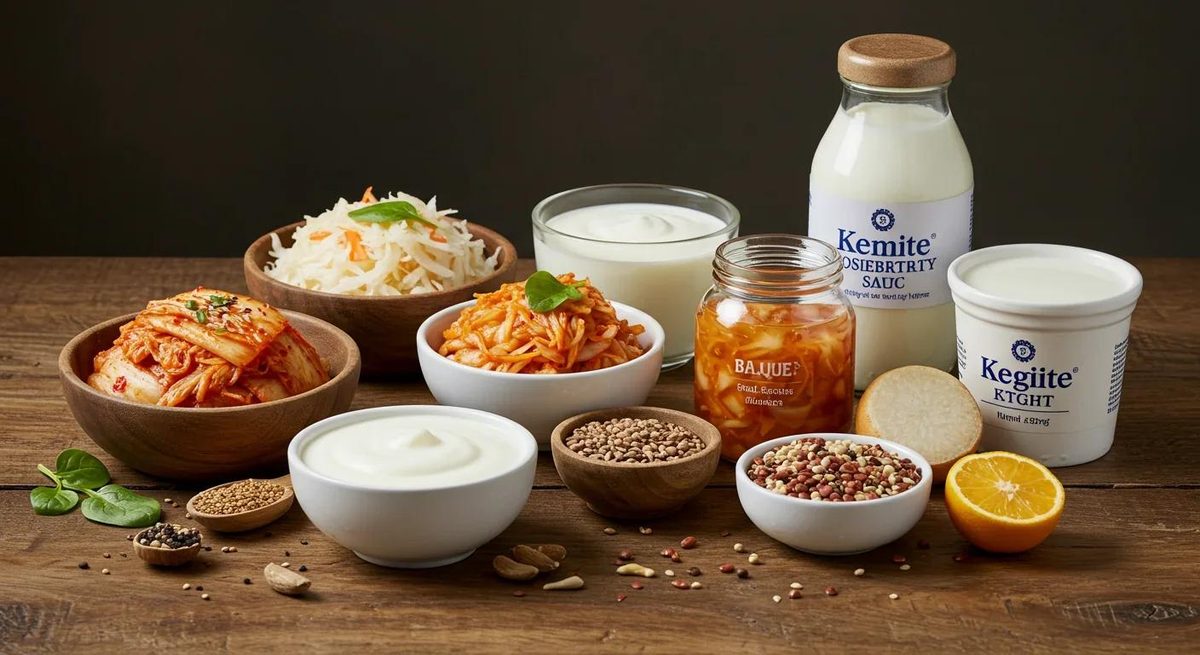
Fermented foods such as yogurt with live and active cultures, kefir, sauerkraut, kimchi, and miso can contribute live microbes. In a 2021 Stanford study of 36 healthy adults, those assigned to eat more fermented foods for ten weeks showed greater microbiome diversity and lower levels of several inflammatory markers than those who increased fiber. The study was small and short, so treat the result as encouraging rather than definitive.
Practical tips:
- Look for "live and active cultures" on yogurt labels.
- Choose refrigerated, unpasteurized sauerkraut and kimchi, because heat-processed versions have no living microbes.
- Start with small servings if you are not used to fermented foods.
4. Add Prebiotic Foods
Prebiotics are fibers and other compounds that selectively feed helpful bacteria. Good food sources include garlic, onions, leeks, asparagus, bananas, oats, barley, legumes, and chicory root. You do not need to track amounts. Regularly eating a mix of these foods is enough.
5. Limit Ultra-Processed Foods, Added Sugar, and Alcohol
Diets high in ultra-processed foods and added sugar tend to be low in fiber and diversity, and heavy alcohol use can damage the gut lining and disturb the microbiome. You do not need a perfect diet. Making whole foods the base of most meals, and keeping sugary drinks, packaged snacks, and alcohol to occasional use, is a realistic aim.
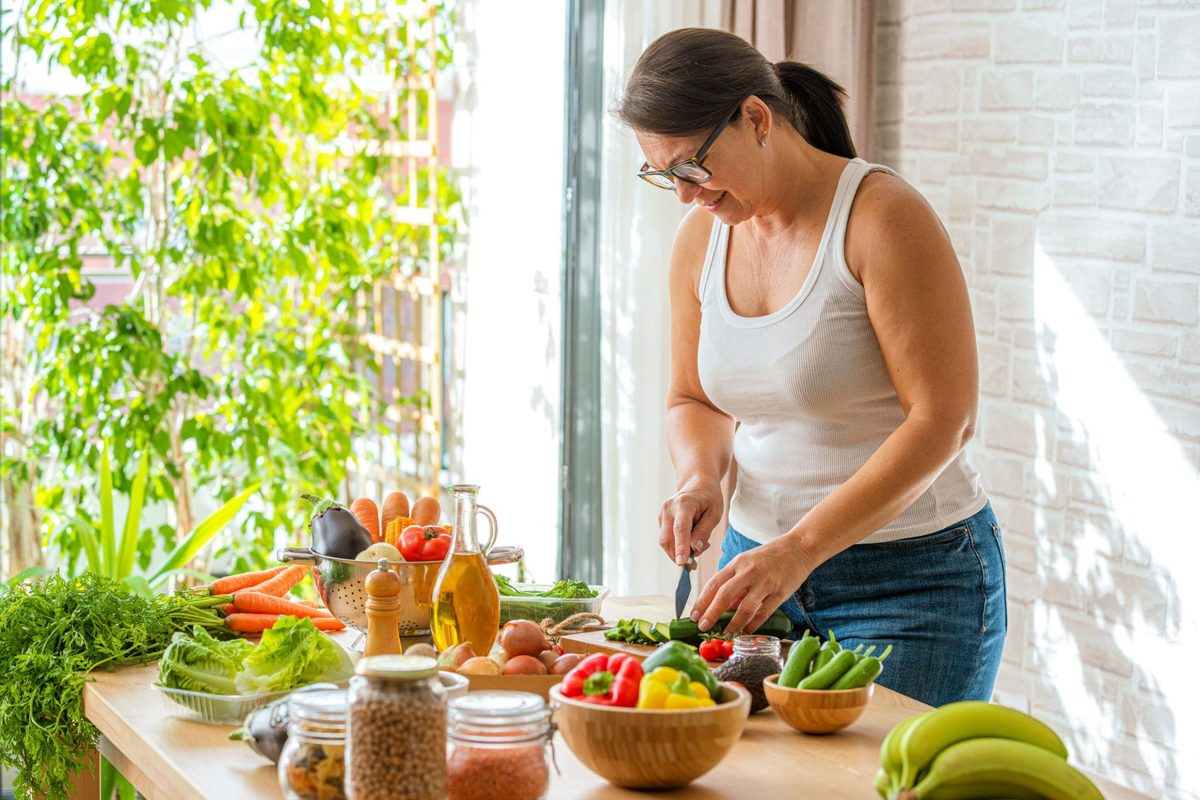
6. Cook and Eat Regularly, Mindfully
Many digestive complaints such as bloating, reflux, and irregularity improve with simple routines:
- Eat at fairly regular times, and avoid very large late-night meals.
- Chew food well and eat without rushing.
- Cook at home more often, where you control ingredients.
- Keep a short food-and-symptom diary if you suspect a trigger, and discuss patterns with a clinician or registered dietitian rather than cutting out whole food groups on your own.
7. Stay Active
Regular physical activity is linked with better digestive function, including less constipation, and some studies associate exercise with greater microbial diversity, although evidence of a direct effect on the microbiome is still developing. The CDC recommends at least 150 minutes of moderate activity per week for adults, and a walk after meals is an easy habit that many people find helpful for digestion.
8. Protect Your Sleep and Manage Stress
The gut and brain communicate constantly through nerves, hormones, and immune signals, which is why stress can trigger cramps, diarrhea, or constipation in some people. Short or disrupted sleep is also linked with higher appetite and less healthy eating. The National Heart, Lung, and Blood Institute notes that chronic sleep deprivation affects many body systems.
Small steps help: a consistent bedtime, daily movement, relaxation techniques such as slow breathing, and talking to a professional if stress or anxiety feels unmanageable. Our guide to improving sleep naturally covers ten habits in more detail.
9. Use Antibiotics and Probiotics Wisely
Antibiotics save lives, but they can reduce microbial diversity for a time. Take them only when prescribed, finish the course as directed, and do not ask for them for viral infections such as colds.
Probiotics are live microorganisms that can benefit health in adequate amounts, but the effects depend on the specific strain and the condition. The National Center for Complementary and Integrative Health (NCCIH) notes that evidence is strongest for particular strains in certain situations, such as some cases of antibiotic-associated diarrhea, and weaker for general digestive health in healthy people. People with weakened immune systems or serious illnesses should check with a doctor first.
Our explainer on probiotics, foods, and what research says shows how to evaluate a product. If you are curious how specific probiotic-style supplements describe themselves, our independent overviews of LeanBiome and PrimeBiome set out what each brand says, what it publishes, and what has not been shown. They are information, not recommendations, and a supplement is not a substitute for the habits above. Our beginner's guide to choosing supplements safely explains what to check before buying.
When to See a Doctor
Habits cannot fix every digestive problem. See a healthcare professional promptly if you have:
- blood in your stool, or black, tarry stools;
- unexplained weight loss;
- persistent diarrhea or constipation lasting more than a few weeks, or a sudden change in bowel habits;
- severe or worsening abdominal pain;
- difficulty or pain when swallowing, or repeated vomiting;
- anemia, or fever with digestive symptoms; or
- a family history of colorectal cancer, inflammatory bowel disease, or celiac disease.
Colorectal cancer screening is recommended for average-risk adults starting at age 45 in the United States. Ask your doctor what is right for you.
Frequently Asked Questions
How long does it take to improve gut health?
Changes in digestion, such as more regular bowel movements, can appear within days to weeks after raising fiber and fluids. Shifts in the microbiome can occur within days of dietary changes, but they may reverse if the diet returns to its previous pattern.
Do I need a probiotic supplement?
Most healthy people do not. Food sources of fiber and fermented foods are a sensible first step. Supplements may be worth discussing if you are taking antibiotics or have a specific condition with strain-level evidence.
Do gut cleanses or detox teas work?
There is no evidence that "cleanses" improve gut health, and some products contain laxatives that can cause dehydration or dependency. Your liver, kidneys, and intestines already remove waste.
What foods are bad for the gut?
No single food is "bad" for everyone. Diets high in ultra-processed foods, added sugar, and alcohol are linked with poorer gut health, while individual triggers such as lactose or certain fermentable carbohydrates (FODMAPs) vary from person to person.
Can stress really cause stomach problems?
Yes. The gut-brain connection means stress and anxiety can worsen symptoms such as cramps and diarrhea, particularly in irritable bowel syndrome, even if they are not the sole cause.
Final Thoughts
You do not need expensive tests or powders to look after your gut. The best-supported habits are simple: eat more fiber and a wide variety of plants, include fermented foods if you enjoy them, limit ultra-processed foods and alcohol, move regularly, protect sleep, manage stress, and use antibiotics and probiotics thoughtfully. If something feels wrong, see a professional rather than guessing.
Medical Disclaimer
This article is for general educational purposes only and does not provide medical advice, diagnosis, or treatment. Consult a qualified healthcare professional about digestive symptoms or before taking supplements. Product mentions link to independent overviews; they are not recommendations or guarantees of results.
References and Further Reading
- National Institute of Diabetes and Digestive and Kidney Diseases (NIDDK). Digestive Diseases
- MedlinePlus (U.S. National Library of Medicine). Dietary Fiber
- National Center for Complementary and Integrative Health (NCCIH). Probiotics: What You Need To Know
- McDonald D, et al. (2018). American Gut: an Open Platform for Citizen Science Microbiome Research. mSystems. DOI
- Wastyk HC, et al. (2021). Gut-microbiota-targeted diets modulate human immune status. Cell.
- National Heart, Lung, and Blood Institute (NHLBI). Sleep Deprivation and Deficiency
Related products
- View LeanBiome
LeanBiome
View product - View PrimeBiome
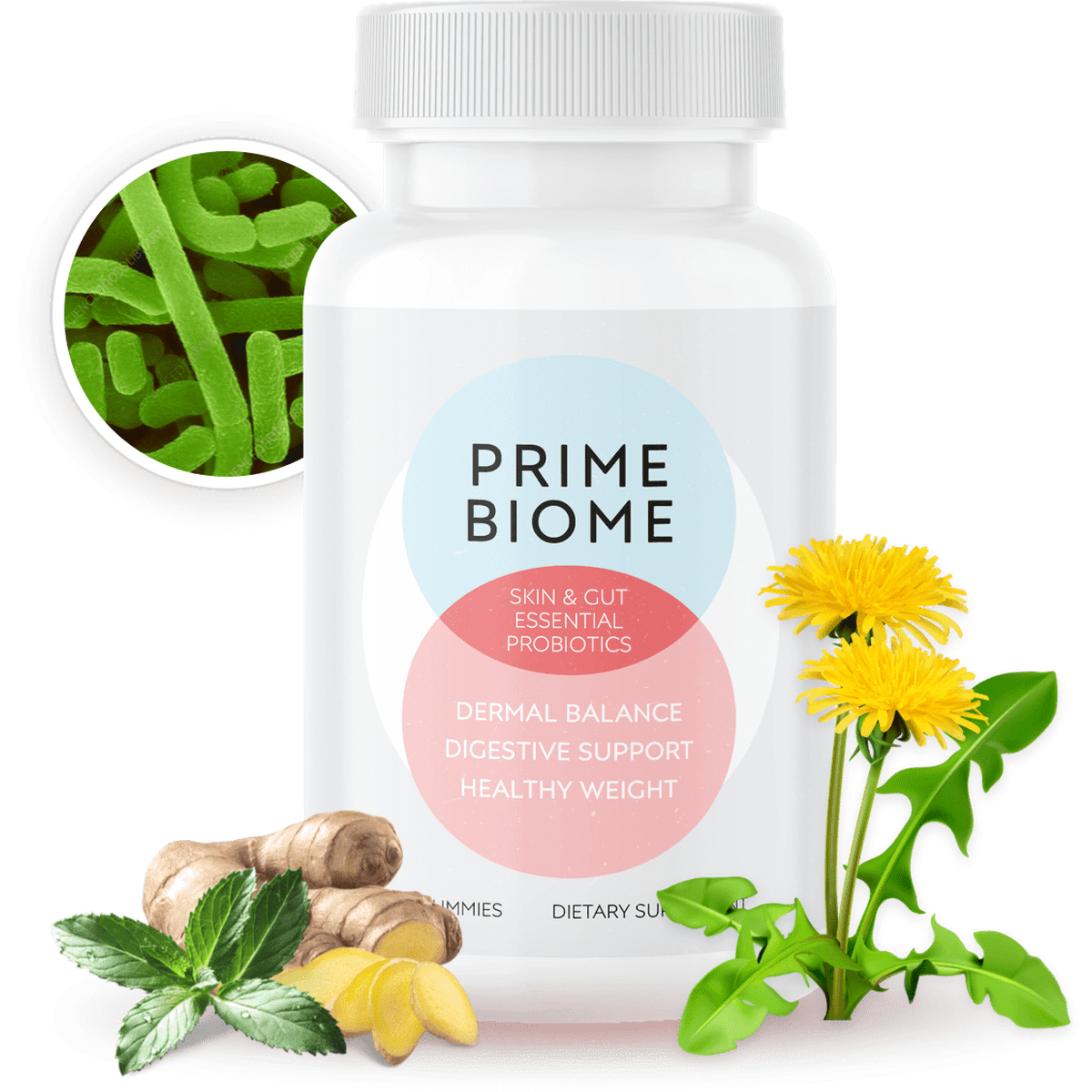
PrimeBiome
View product
Related articles
Blood Sugar Support Supplements: Ingredients, Evidence, and Safety
"Blood sugar support" is one of the busiest categories in the supplement market. Bottles promise to "balance," "stabilize," or "support" glucose, often with a list of botanicals an…
Nov 3, 2026
Women's Health During Menopause: Understanding Common Changes and Wellness Options
Menopause is a normal stage of life, but the years around it can bring changes that feel anything but normal: hot flashes, broken sleep, shifting moods, and questions about bone an…
Nov 3, 2026
Oral Probiotics Explained: Understanding Strains, Dental Health, and Research
Oral probiotics are chewable tablets, lozenges, and drops that contain live bacteria and are marketed for teeth, gums, and fresh breath. The idea is appealing, but the research is…
Nov 3, 2026