
Probiotics Explained: Benefits, Foods, and What Research Says
By the Wellness Center USA editorial team ·

Probiotics have become one of the most talked-about areas of nutrition. You can find them in yoghurt, in fermented foods, and in a growing range of capsules, gummies, powders, and drinks. But the science is more specific than the marketing. Different strains do different things, benefits are proven for some conditions and not others, and not everyone should take them.
This guide explains what probiotics are, how they relate to your gut microbiome, what research suggests, which foods contain them, and how to judge a probiotic supplement.
1. What Are Probiotics?
The World Health Organization and the Food and Agriculture Organization define probiotics as live microorganisms that, when given in adequate amounts, confer a health benefit on the host. Three parts of that definition matter:
- Live: products that contain only dead bacteria are not probiotics by this definition.
- Adequate amounts: the dose has to be high enough to matter, and the right dose differs by strain.
- A demonstrated benefit: a microbe is not a probiotic simply because it is a "good bacterium". The benefit has to be shown for that specific strain.
Most probiotics are bacteria from groups such as Lactobacillus and Bifidobacterium, along with a yeast called Saccharomyces boulardii.
It helps to separate three terms that are often confused:
- Probiotics: live beneficial microbes.
- Prebiotics: food components, mainly certain fibres, that feed beneficial gut bacteria.
- Postbiotics: products made by microbes, or inactivated microbes, which are an emerging area.
2. How the Gut Microbiome Works
Your digestive tract is home to trillions of microorganisms, collectively called the gut microbiome. They help break down fibre, produce some vitamins and short-chain fatty acids, train the immune system, and compete with harmful microbes.
A healthy microbiome tends to be diverse. Diet, antibiotics, illness, age, stress, and where you live all influence its makeup. Researchers are studying links between the microbiome and conditions such as irritable bowel syndrome, inflammatory bowel disease, obesity, and mood, but in many cases they have found associations rather than proof that changing the microbiome treats the condition.

3. Potential Benefits of Probiotics
The U.S. National Center for Complementary and Integrative Health (NCCIH) summarises the research this way: some probiotics may help certain conditions, but evidence is uneven and the effect depends on the specific strain and the specific problem. Results for one strain cannot be assumed for another.
Areas with the most supportive research include:
- Antibiotic-associated diarrhoea: several analyses suggest particular probiotics can reduce the risk of diarrhoea during or after antibiotics.
- Some forms of infectious diarrhoea, especially in children: certain strains may shorten episodes slightly.
- Irritable bowel syndrome (IBS): some strains appear to ease symptoms such as bloating for some people, though results are inconsistent and effects are modest.
- Preventing the recurrence of some gut infections: evidence is mixed and still developing.
Areas where evidence is limited, early-stage, or mixed include weight management, skin conditions, mood and cognition, immune support in healthy adults, and oral health. Be sceptical of products claiming to treat or prevent a wide range of problems.
4. Probiotic Foods and Fermented Foods
Many fermented foods contain live microbes, and they are a practical way to add variety to your diet.
- Yoghurt with "live and active cultures": check the label. Some yoghurts are heat-treated after fermenting and no longer contain live bacteria.
- Kefir: a fermented milk drink with a diverse mix of bacteria and yeasts.
- Sauerkraut and kimchi: look for unpasteurised versions kept in the refrigerated section. Shelf-stable, canned, or pasteurised products have usually been heated, which kills the microbes.
- Miso, tempeh, and natto: fermented soy foods; cooking at high temperatures reduces live cultures.
- Kombucha: fermented tea, which varies widely in live cultures and sugar content.
A small but widely discussed 2021 study from Stanford found that adults who ate more fermented foods for ten weeks showed greater microbiome diversity and lower markers of inflammation than those who increased fibre. It was small and short, so treat it as encouraging rather than conclusive.
Not all fermented foods are probiotic foods: bread, wine, beer, and chocolate rely on fermentation but usually do not contain live cultures by the time you eat them. They can still be part of a balanced diet.
5. Different Probiotic Strains
A probiotic is identified by its genus, species, and strain, for example Lactobacillus rhamnosus GG. The strain code matters because strains of the same species can behave very differently.
A good label lists the strain code, not just the species. If a product says only "Lactobacillus acidophilus", you cannot tell which strain is inside, and research on one strain cannot be applied to it. Some products list a "proprietary blend" without strain names, which makes it hard to check whether any of the strains have been studied.
Also check:
- The amount, usually expressed in colony-forming units (CFU), through to the end of the shelf life rather than at the time of manufacture.
- Storage instructions: some need refrigeration.
- The doses and strains used in trials, which are often not the same as those in commercial products.
6. Supplements Versus Food Sources
Both can have a place, and they are not mutually exclusive.
Food sources
- Strengths: they provide nutrients and fibre as well as microbes, and are usually cost-effective.
- Limits: strains and numbers vary, and live cultures may not survive processing.
- Regulation: regulated as food.
Supplements
- Strengths: they provide defined strains and doses, and are convenient.
- Limits: quality varies, benefits depend on the strain, and they can be expensive.
- Regulation: not approved by the FDA before they are sold.
Most healthy people do not need a probiotic supplement. They are more likely to be worth discussing with a doctor if you are using antibiotics, have IBS, or have a condition where a specific strain has research support.

Fibre-rich foods such as vegetables, beans, whole grains, fruit, nuts, and seeds feed the bacteria already in your gut, and are a reliable foundation whatever else you do.
7. Safety and Possible Side Effects
For most healthy people, probiotics are well tolerated. The most common side effects are gas, bloating, and mild stomach upset, which usually settle within a few days.
More serious problems are rare but real:
- Infections: in people with weakened immune systems, central venous catheters, severe illness, or recent surgery, probiotic microbes have occasionally caused bloodstream infections or fungal infections.
- Premature infants: the FDA has warned about serious infections in preterm babies given probiotic products.
- Contamination and mislabelling: because supplements are not pre-approved, the contents may not match the label.
- Histamine and fermentation byproducts: some people sensitive to histamine or with small intestinal bacterial overgrowth report symptoms after fermented foods or probiotics.
8. Who Should Consult a Healthcare Professional?
Speak to a doctor or pharmacist before taking a probiotic supplement if you:
- have a weakened immune system, are having chemotherapy, or take immune-suppressing drugs;
- have a central line, heart-valve problems, or a serious illness;
- are pregnant, breastfeeding, or choosing a product for a baby or young child;
- have a severe or ongoing digestive problem, because symptoms like blood in the stool, persistent diarrhoea, unexplained weight loss, or severe pain need diagnosis rather than self-treatment; or
- take antibiotics and want to know whether a specific strain is appropriate.
9. How to Evaluate Probiotic Products
Use this quick checklist:
- Strain names and codes are listed, not just the species.
- CFU count is stated through the expiry date.
- Evidence exists for the strain in the condition you care about, ideally from human trials rather than lab studies.
- Claims are realistic. Be wary of promises to "detox", "melt fat", or fix many unrelated conditions.
- Storage and delivery (for example, delayed-release capsules designed to survive stomach acid) are explained.
- Third-party testing seals or published quality information are available.
- Allergens and additives are listed.
- The company explains what it does not know, including unpublished amounts.
Examples on this site
If you want to see how that checklist applies to specific products, our independent overviews cover several probiotic-style supplements and describe what each brand publishes and what it leaves out:
- LeanBiome: a delayed-release capsule with several named Lactobacillus strains, marketed for weight management. The overview explains why weight claims are not established.
- PrimeBiome: a probiotic gummy marketed in connection with skin and gut balance.
- ProDentim: a chewable tablet containing probiotic strains for the mouth, marketed for teeth and gums.
None of these is a proven treatment for a medical condition, and each overview flags that the finished product has not been tested in published trials.
10. Frequently Asked Questions
Do I need a probiotic every day?
Most healthy people do not. A varied diet with fibre-rich foods and, if you like them, fermented foods, is a sensible base. Supplements are optional and best chosen for a specific purpose.
What is the best time to take a probiotic?
It depends on the product. Follow the label, since some are designed to be taken with food and some without.
Are yoghurt and kefir enough?
They can contribute live cultures and nutrients, but the strains and amounts vary. They are not a substitute for treatment if you have a digestive condition.
Can probiotics help with weight loss?
Evidence is limited. Some studies find small effects with particular strains, but results are inconsistent, and probiotics are not a replacement for diet and activity changes.
Do probiotics interact with medicines?
Usually not significantly, but antibiotics can reduce their effect, and people on immune-suppressing medicines should avoid them unless advised. Always check with a pharmacist.
Can children take probiotics?
Some are studied in children for specific problems, but dosing and safety are specific to the age group and product. Ask a paediatrician first, especially for babies.
Final Thoughts
Probiotics are a promising and active field, but "probiotic" is not a magic word. The most useful questions are: which strain, for which problem, at what dose, and is there human evidence? For daily gut health, fibre, variety, and fermented foods you enjoy give you a strong, inexpensive base. If you are thinking about a supplement, check the label against the list above and talk to a healthcare professional.
Medical Disclaimer
This article is intended for general educational purposes only and does not provide medical advice, diagnosis, or treatment. Consult a qualified healthcare professional before starting a probiotic, especially if you are immunocompromised, pregnant, or choosing a product for a child. Product mentions link to independent overviews; they are not recommendations or guarantees of results.
References and Further Reading
- National Center for Complementary and Integrative Health (NCCIH). Probiotics: What You Need To Know
- NIH Office of Dietary Supplements. Probiotics
- Hill C, et al. (2014). The International Scientific Association for Probiotics and Prebiotics consensus statement on the scope and appropriate use of the term probiotic. Nature Reviews Gastroenterology & Hepatology.
- Wastyk HC, et al. (2021). Gut-microbiota-targeted diets modulate human immune status. Cell.
Related products
- View LeanBiome
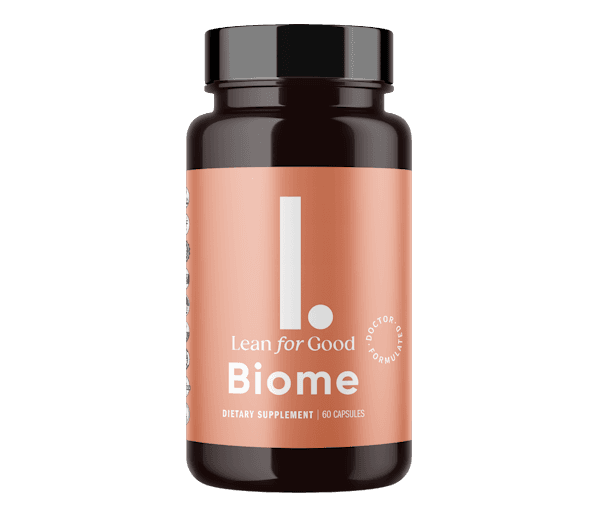
LeanBiome
View product - View PrimeBiome
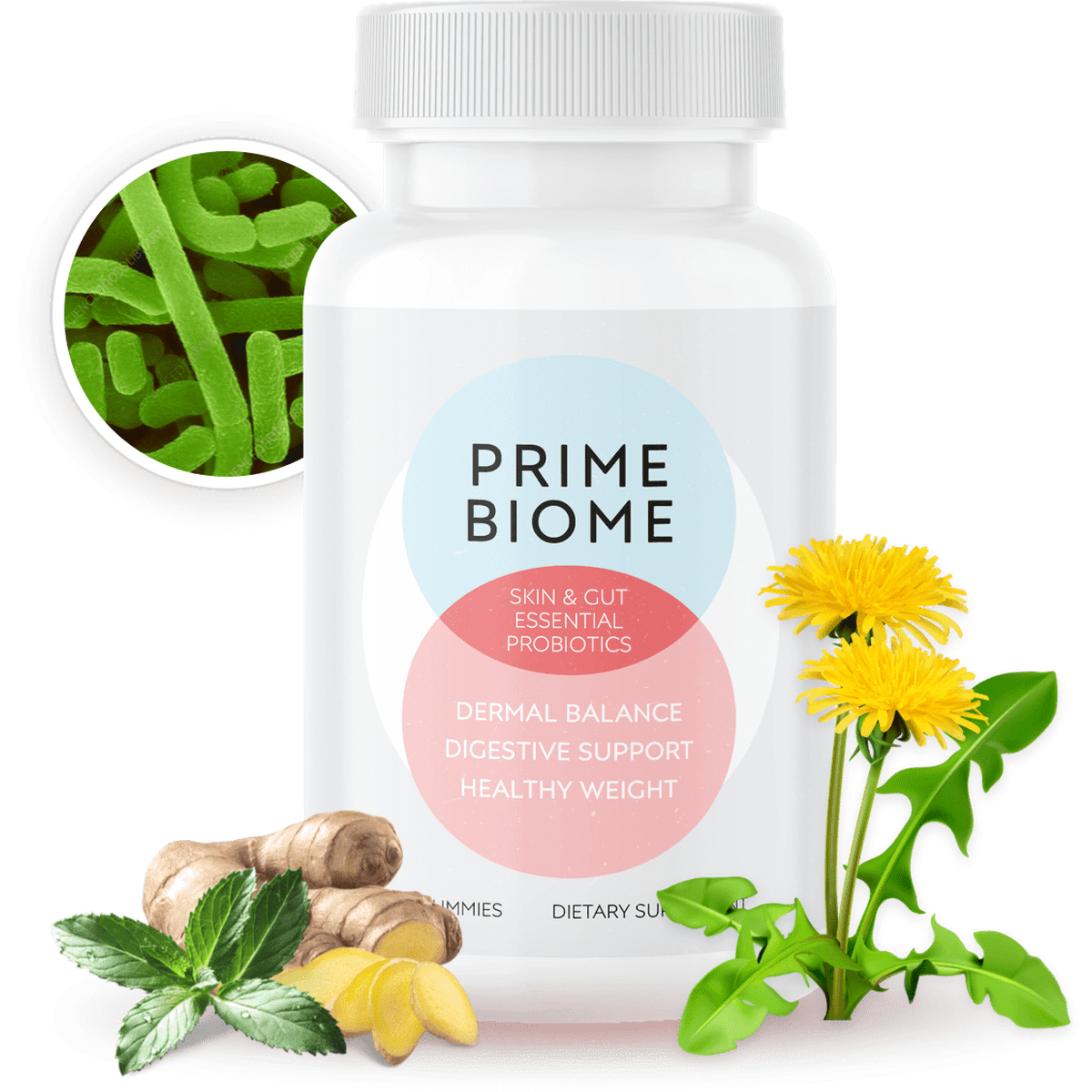
PrimeBiome
View product - View ProDentim

ProDentim
View product
Related articles
Blood Sugar Support Supplements: Ingredients, Evidence, and Safety
"Blood sugar support" is one of the busiest categories in the supplement market. Bottles promise to "balance," "stabilize," or "support" glucose, often with a list of botanicals an…
Nov 3, 2026
Women's Health During Menopause: Understanding Common Changes and Wellness Options
Menopause is a normal stage of life, but the years around it can bring changes that feel anything but normal: hot flashes, broken sleep, shifting moods, and questions about bone an…
Nov 3, 2026
Oral Probiotics Explained: Understanding Strains, Dental Health, and Research
Oral probiotics are chewable tablets, lozenges, and drops that contain live bacteria and are marketed for teeth, gums, and fresh breath. The idea is appealing, but the research is…
Nov 3, 2026