
Ashwagandha: Benefits, Scientific Evidence, and Safety
By the Wellness Center USA editorial team ·
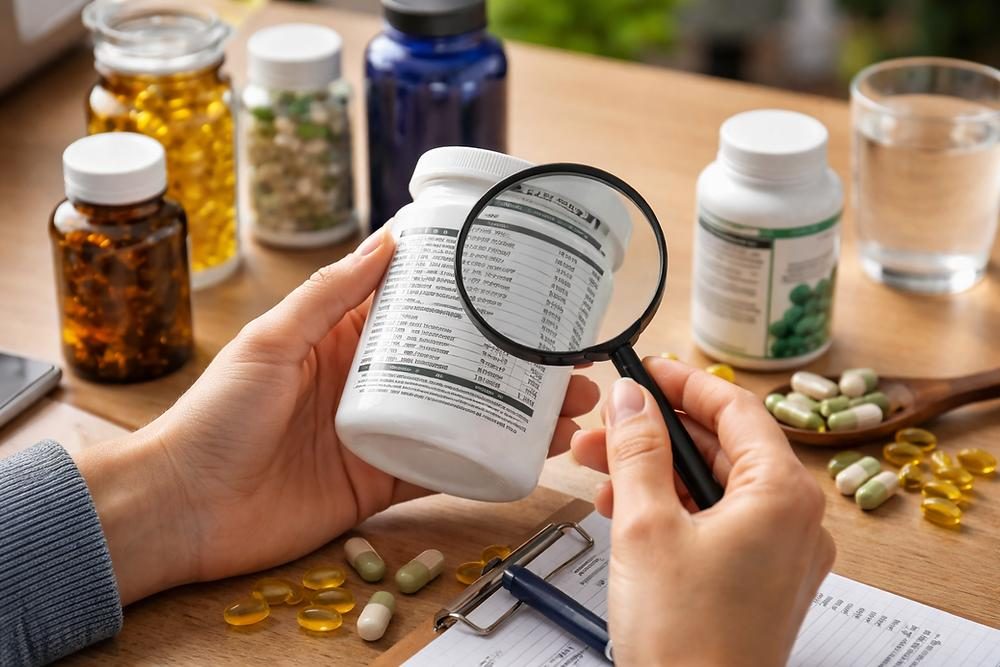
Ashwagandha (Withania somnifera) is one of the best-known herbal supplements in the US, and it is often marketed for stress, sleep, and "balance." The research is more interesting than the usual hype, but it is also thinner and more mixed than the labels suggest. This article explains what ashwagandha is, what studies have found, why results do not automatically apply to every product, and what safety questions to ask before using it.
What Is Ashwagandha?
Ashwagandha is a shrub native to India, the Middle East, and parts of Africa. The root, and sometimes the leaf, is used. In Ayurveda, the traditional medicine system of India, it has been used for centuries as a general tonic. Today it is sold as capsules, tablets, powders, tinctures, and gummies, and it appears as one ingredient in many multi-ingredient formulas.
The National Center for Complementary and Integrative Health (NCCIH) notes that, although ashwagandha is widely used, there is limited high-quality research on its effects in people.

Traditional Use Versus Modern Evidence
Traditional use is a record of how people have used a plant, not proof that it works or is safe. Modern research tests specific extracts in controlled trials, and those trials tend to be small, short, and sometimes funded by supplement makers. When a label says "used for thousands of years," that tells you about history rather than about the benefits of the specific product in your hand.
What Does Research Say About Stress and Sleep?
Stress and anxiety
Several small randomized trials and systematic reviews have reported that ashwagandha extracts were associated with lower scores on stress and anxiety scales compared with placebo. However, reviews repeatedly point to limitations: small numbers of participants, short trial durations (often 6 to 12 weeks), different extracts and doses, self-reported outcomes, and a risk of bias. Reviews also note that many trials used a small number of branded root extracts. The findings are promising enough to justify more research, but not strong enough to call ashwagandha a proven treatment for anxiety or stress.
Sleep
A 2021 systematic review and meta-analysis by Cheah and colleagues pooled five randomized controlled trials with 400 participants. It found a small but statistically significant improvement in overall sleep with ashwagandha extract compared with placebo, with larger effects in adults diagnosed with insomnia, at doses of 600 mg a day or more, and over eight weeks or longer. The authors also noted the heterogeneity between studies and the limited safety data, and said more safety information was needed to judge long-term use.
In plain terms: some trials suggest a modest benefit for sleep in some groups, but the evidence base is small, and it does not show that ashwagandha will improve your sleep.
Other claims
You may see claims about testosterone, athletic performance, thyroid function, memory, or weight. Evidence for these is preliminary or inconsistent, and none of them should be treated as established. If you have a medical condition, an ashwagandha supplement is not a substitute for diagnosis and treatment.
Why Findings May Not Apply to Your Product
- Different extracts. Trials often use specific root extracts standardized to a certain percentage of withanolides, the plant compounds thought to be active. A different extract, a whole root powder, or a leaf extract may behave differently.
- Different doses. Labeled amounts range widely. Some products list the amount of root powder, others the amount of extract.
- Finished products. Multi-ingredient formulas combine ashwagandha with other ingredients, so even a good trial of an extract does not show that the blend works. Some multi-ingredient products in our catalog, such as Renew, list ashwagandha among other ingredients. Our overviews describe what each brand publishes, and research on one ingredient is not proof that the finished product works.
- Quality variation. Supplements are not approved by the FDA before sale, and content can differ from the label.
Product Label Considerations
When you read an ashwagandha label, look for:
- The plant part (root, leaf, or both) and the extract type.
- The amount of extract per serving, not just "ashwagandha blend."
- Standardization (for example, a stated withanolide percentage).
- Other ingredients, including herbs and stimulants.
- Third-party testing and an expiry date.
- Warnings, including pregnancy and liver cautions.
- Claims. Be wary of promises to cure anxiety, eliminate stress, or guarantee sleep.
See our guide to reading a supplement label.
Possible Side Effects
In studies, reported side effects were usually mild and included drowsiness, upset stomach, diarrhea, and headache. Because the research is limited, long-term safety is not well established.
Liver Safety Concerns
A case series published in Liver International (Björnsson and colleagues, 2020) described five people who developed liver injury after taking ashwagandha-containing supplements. All developed jaundice and symptoms such as nausea, itching, and fatigue within 2 to 12 weeks, and liver tests returned to normal in four patients within one to five months (one was lost to follow-up). Some had also taken other supplements. Case reports cannot show how common the problem is, but they show that the risk is real enough to take seriously.
Stop taking the supplement and seek medical care promptly if you develop yellowing of the skin or eyes, dark urine, pale stools, severe itching, or persistent nausea or abdominal pain. People with liver disease, or who take medicines that can affect the liver, should speak to a clinician before using ashwagandha.
Thyroid and Medication Considerations
- Thyroid. NCCIH does not recommend ashwagandha for people with thyroid disorders and notes that it might interact with thyroid hormone medicines. Ask your clinician first.
- Sedatives and sleep medicines. Ashwagandha may add to drowsiness.
- Diabetes and blood pressure medicines, immunosuppressants, and anticonvulsants. NCCIH notes that ashwagandha might interact with these, so ask a pharmacist.
- Autoimmune conditions. NCCIH does not recommend it; ask a clinician.
- Surgery. Tell your surgical team about all supplements.
See our guide to understanding supplement interactions.
Pregnancy and Breastfeeding
NCCIH advises that ashwagandha should be avoided during pregnancy and should not be used while breastfeeding. It also says ashwagandha is not recommended for people who are about to have surgery or who have autoimmune or thyroid disorders. Children should not use it unless a doctor advises it.
Questions to Ask a Healthcare Professional
- Is ashwagandha appropriate given my health conditions and medicines?
- Should my liver tests or thyroid levels be monitored?
- Are my stress or sleep symptoms a sign of something that needs assessment?
- Which products, if any, have independent testing?
- What habits should I focus on first? See our guides to building a healthy sleep routine and improving sleep naturally.
Frequently Asked Questions
Does ashwagandha reduce stress?
Some small trials report lower stress scores, but the evidence is limited and varies by extract. It is not a proven treatment.
Does ashwagandha help you sleep?
A meta-analysis found a small benefit in some groups, with limited safety data. It cannot guarantee better sleep.
Is ashwagandha safe?
Many people tolerate it, but liver injury has been reported, and some people should avoid it.
How long does it take to work?
Trials generally ran several weeks, but individual effects are unpredictable.
Can I take it with other supplements?
Ask a pharmacist. Combining multiple supplements can complicate side effects and interactions.
Final Thoughts
Ashwagandha is an interesting herb with some early research behind it, but the evidence is modest, products vary, and liver and medication safety concerns are real. If you are curious about it, check the label carefully, talk to a healthcare professional first, and focus on sleep, activity, and stress-management habits that have stronger evidence.
Medical Disclaimer
This article is for general educational purposes only and does not provide medical advice, diagnosis, or treatment. Consult a qualified healthcare professional before taking ashwagandha or any supplement, especially if you take medicines, are pregnant or breastfeeding, or have a liver or thyroid condition.
References and Further Reading
- National Center for Complementary and Integrative Health (NCCIH). Ashwagandha
- Cheah KL, et al. (2021). Effect of Ashwagandha (Withania somnifera) extract on sleep: A systematic review and meta-analysis. PLoS One.
- Björnsson HK, et al. (2020). Ashwagandha-induced liver injury: A case series from Iceland and the US Drug-Induced Liver Injury Network. Liver International.
- National Library of Medicine. LiverTox: Ashwagandha
- National Center for Complementary and Integrative Health (NCCIH). Using Dietary Supplements Wisely
Related articles
Blood Sugar Support Supplements: Ingredients, Evidence, and Safety
"Blood sugar support" is one of the busiest categories in the supplement market. Bottles promise to "balance," "stabilize," or "support" glucose, often with a list of botanicals an…
Nov 3, 2026
Women's Health During Menopause: Understanding Common Changes and Wellness Options
Menopause is a normal stage of life, but the years around it can bring changes that feel anything but normal: hot flashes, broken sleep, shifting moods, and questions about bone an…
Nov 3, 2026
Oral Probiotics Explained: Understanding Strains, Dental Health, and Research
Oral probiotics are chewable tablets, lozenges, and drops that contain live bacteria and are marketed for teeth, gums, and fresh breath. The idea is appealing, but the research is…
Nov 3, 2026