
How to Evaluate Weight Management Supplements: Evidence, Ingredients, and Safety
Nov 3, 2026
Weight-loss supplements promise a lot: "melt fat," "boost metabolism," "curb cravings." They sell well because sustainable weight management is hard, and a pill, powder, or drop in your coffee sounds easy. The evidence, however, is far less impressive than the marketing, and some products carry real risks. This guide explains how weight management works, what the common claims and ingredients really offer, how caffeine and stimulants fit in, and how to read a product label with a critical eye.
Understanding Weight Management
Body weight reflects a long-term balance between energy taken in (food and drink) and energy used (daily activity, exercise, and the body's baseline needs), shaped by genetics, sleep, stress, medical conditions, medicines, and environment. Healthy, sustainable weight loss, according to the CDC, is generally about 1 to 2 pounds a week, and the habits behind it matter more than any single product.
Medical care is part of weight management for many people. Clinicians can check for conditions that affect weight, review medicines, and discuss evidence-based treatments, including behavioral programs, prescription medicines, and surgery where appropriate. Supplements are not a substitute for that care.

What the Official Health Sources Say
The NIH Office of Dietary Supplements (ODS) states that there is little scientific evidence that weight-loss supplements work, that many are expensive, that some can interact with medicines, and that a few may be harmful. Its review of ingredients found, at most, possible modest effects for a few of them, and no effect on body weight in trials for others. The FDA has also repeatedly warned that some products sold for weight loss contain hidden prescription drug ingredients that are not listed on the label, and some of these can cause serious harm.
Common Marketing Claims, and What to Ask
| Claim | Questions to ask |
|---|---|
| "Boosts metabolism" | By how much? In what study? Of this product, at this dose? |
| "Burns fat fast" | Fast compared with what, and for whom? |
| "Curbs appetite" | Is the ingredient proven to do so, and what are the side effects? |
| "Scientifically proven" | Which published study, and was it of the finished product? |
| "No side effects" | No product can promise that. What ingredients could affect me? |
| "Patent-pending" | A patent is not evidence of effectiveness. |
| "Natural" | Natural does not mean safe. |
| "Lose X pounds in Y days" | Look for the trial. Realistic loss is gradual. |
Ingredients Used in Weight Management Products
- Caffeine and green tea (EGCG). Mild stimulants. Green tea extract supplements have been associated with rare liver injury, according to NCCIH, mostly with extracts in capsules or tablets. Evidence for meaningful weight loss is modest and inconsistent.
- Chlorogenic acid (green coffee extract). Studied for small effects on weight in some trials, with limited quality.
- Chromium. The ODS notes inconsistent evidence for body composition.
- L-carnitine. A compound involved in energy metabolism. Evidence for weight loss is limited.
- L-theanine. An amino acid in tea, studied for relaxation, not weight loss.
- Fiber supplements (glucomannan, psyllium). May promote fullness, but trials show little effect on weight, and they can cause digestive upset and block the absorption of some medicines.
- Garcinia cambogia, raspberry ketones, and similar. NCCIH notes it is unclear whether garcinia cambogia helps with weight loss, and liver problems have been reported with some products.
- "Proprietary blends" and "serums." If the ingredients are not disclosed, you cannot judge effectiveness or safety at all.
Evidence and Limitations
- Even where a small average weight difference has been seen in trials, the difference is typically modest and may not be meaningful for health.
- Trials are often short, small, and funded by manufacturers, and many do not follow people long enough to see whether weight stays off.
- Evidence on an ingredient does not apply to a different dose, form, or combination.
- Weight loss without changes in eating and activity is rarely sustained.
- Evidence for a single ingredient is not evidence for the finished product.
Caffeine and Stimulant Considerations
Many weight-management products add caffeine or caffeine-like compounds, or are designed to be added to coffee. The FDA says that about 400 milligrams of caffeine a day is an amount not generally associated with negative effects in most healthy adults, but sensitivity varies, and pregnant women are generally advised to limit caffeine to lower amounts. Remember that caffeine adds up from coffee, tea, energy drinks, soft drinks, pre-workout powders, and supplements.
Too much caffeine can cause:
- jitteriness and anxiety
- fast or irregular heartbeat
- higher blood pressure
- trouble sleeping
- stomach upset
People with heart rhythm problems, high blood pressure, anxiety, or caffeine sensitivity, or who are pregnant or nursing, should ask a clinician first.
Two Products in Our Catalog
Our overviews describe what each brand publishes. Neither brand publishes a clinical trial of its finished product that we could find, and we do not recommend either for weight loss.
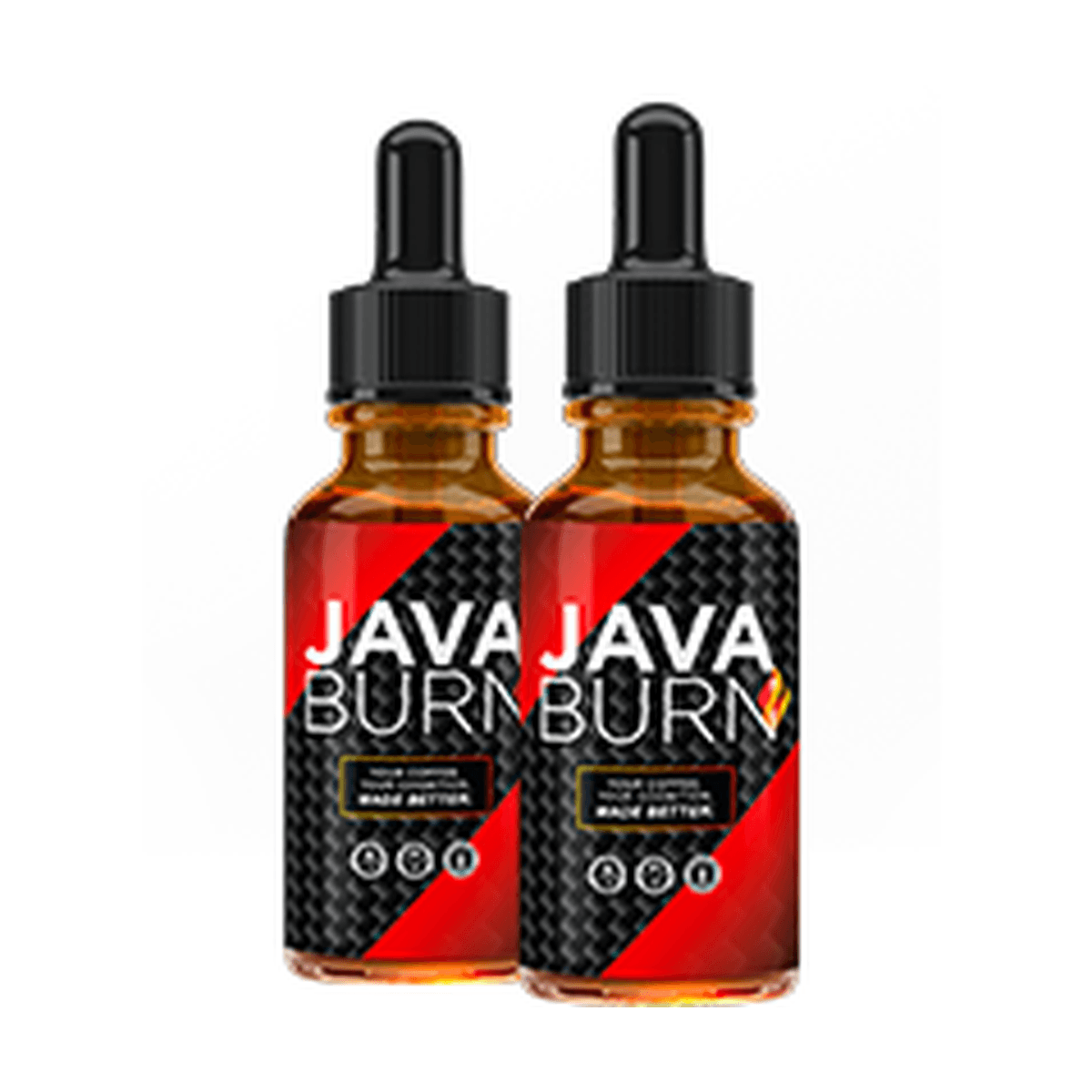
- Java Burn 2.0 is a powder in single-serve packets that you add to coffee. The official site lists chlorogenic acid, Camellia sinensis (green tea), chromium, L-carnitine, L-theanine, and a vitamin complex, with no amounts. Its sales page says the formula, "when combined with coffee," increases the speed and efficiency of metabolism and calls this "scientifically proven," without citing studies.
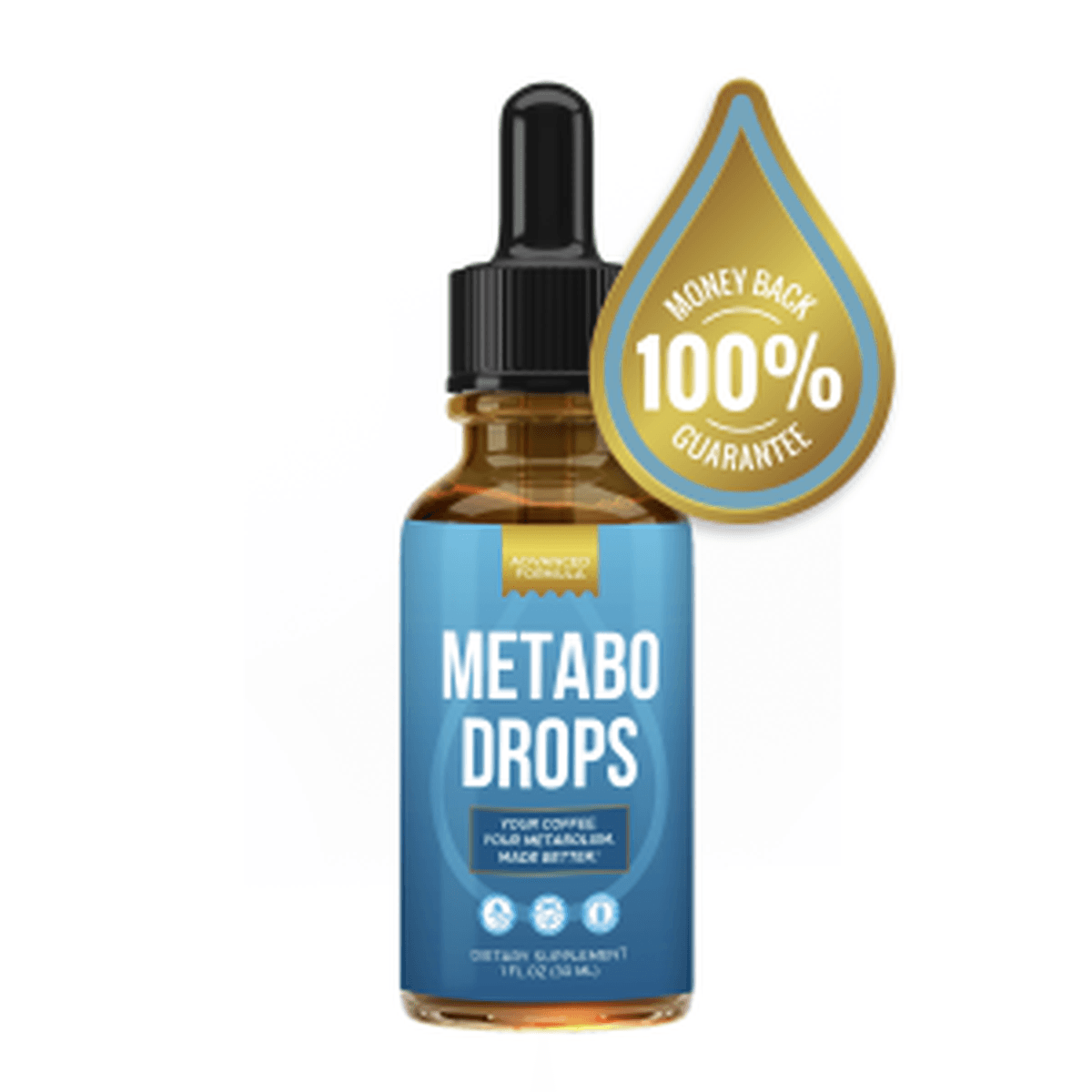
- Metabo Drops is a liquid "nutritional serum complex" that you add to your coffee one drop at a time. The official site makes strong claims, including that it is scientifically proven to increase metabolism and has "zero reported side effects," but it does not list its ingredients, so there is no way to compare it with independent research or to judge safety.
Both are added to coffee, so the caffeine from your coffee counts toward your total, and neither brand discloses amounts.
Evaluating a Product Label
- Is every ingredient listed, with an amount? If not, be cautious.
- Are there stimulants? Add them to your caffeine total.
- Are claims realistic? Look for promises of fast results, "melting fat," or "no side effects."
- Is there independent testing and a named manufacturer?
- What are the warnings and interactions?
- What are the refund and subscription terms?
- Is there a link between the claim and a real trial of the finished product?
See our guide to reading a supplement label and how to choose dietary supplements safely.
Potential Medication Interactions
Ask a pharmacist before taking a weight-management supplement if you take:
- blood pressure or heart medicines (stimulants can raise blood pressure and heart rate),
- diabetes medicines (some ingredients, such as chromium, may affect blood sugar),
- blood thinners (some botanicals may affect clotting),
- antidepressants, ADHD medicines, or sedatives (stimulants may interact),
- thyroid medicine, or
- medicines that are processed by the liver.
See our guide to understanding supplement interactions. Report adverse effects to your healthcare provider and the FDA, and stop taking a product and seek help if you have chest pain, a rapid heartbeat, severe headache, yellowing of the skin or eyes, or other serious symptoms.
Recognizing Misleading Before-and-After Claims
- Photos that cannot be verified or that were taken in different lighting, clothing, or posture
- Testimonials that mention diet and exercise changes in small print
- "Results not typical" disclaimers
- Celebrity or doctor endorsements without names, credentials, or evidence
- Claims of "no diet or exercise needed"
- Fake urgency, "limited supply" countdowns, and "doctors hate this" language
- Subscription traps hidden in the checkout
Sustainable Nutrition and Activity Habits
Habits with the best evidence are not glamorous, but they work over time:
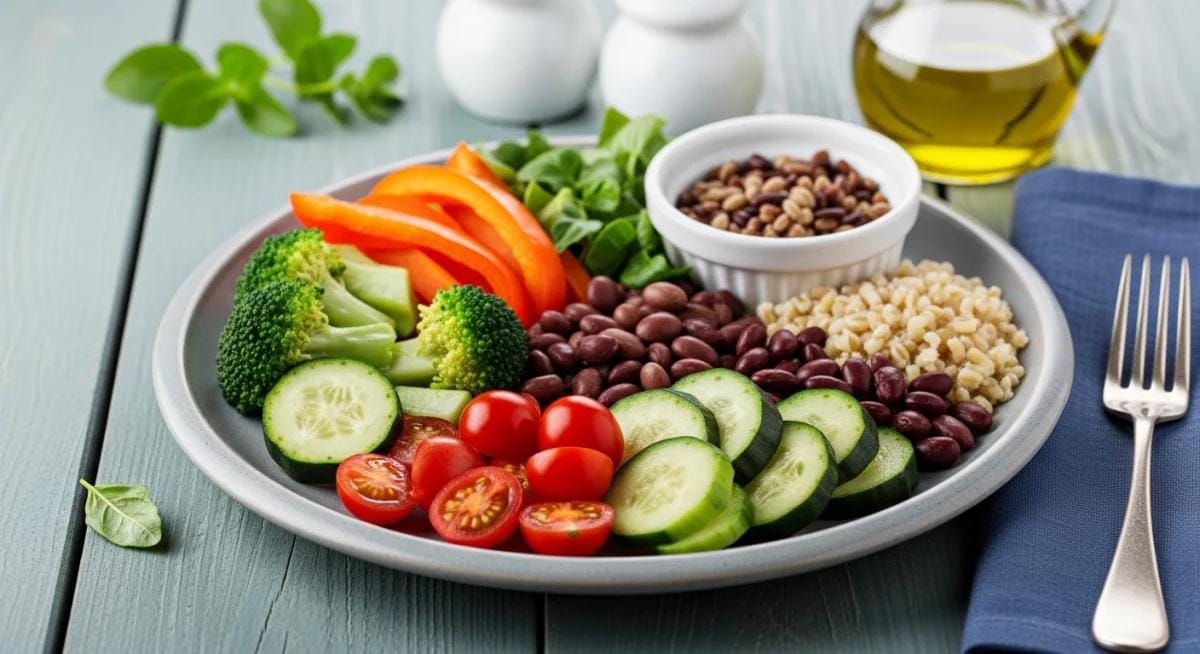
- Build meals around vegetables, fruit, whole grains, beans, and lean proteins.
- Reduce sugary drinks and heavily processed snack foods.
- Pay attention to portion sizes and eating patterns that you can keep.
- Move more. The CDC recommends at least 150 minutes of moderate activity a week plus muscle-strengthening activity on two or more days. See our guides to exercise recovery and building muscle mass.
- Sleep well. See our guide to building a healthy sleep routine.
- Manage stress and seek support.
- Work with a doctor or registered dietitian, especially if you have a medical condition.
Questions to Ask a Healthcare Professional
- Is my weight affecting my health, and what are my realistic goals?
- Could a medical condition or medicine be affecting my weight?
- Which evidence-based treatments are suitable for me?
- Is any supplement safe with my medicines and conditions?
- Can a dietitian or a behavioral program help?
Frequently Asked Questions
Do weight-loss supplements work?
The NIH says there is little evidence that they do. Some ingredients may have small effects, and some are risky.
Is a product "added to coffee" better?
Not by itself. It adds ingredients and caffeine, and effects depend on the ingredients and doses.
Are "proprietary blends" a problem?
Yes. You cannot judge dose or safety.
Is it safe to use a weight-loss product long term?
Unknown for many products. Ask a clinician.
What works best for weight management?
Sustainable eating and activity habits, plus medical care where appropriate.
Final Thoughts
If a weight-loss product sounds too good to be true, it usually is. The strongest, safest approach combines balanced nutrition, regular activity, sleep, and medical support. If you still consider a supplement, read the whole label, count the caffeine, check interactions, and be skeptical of promises of fast, effortless results.
Medical Disclaimer
This guide is for general educational purposes only and does not provide medical advice, diagnosis, or treatment. Supplements do not replace nutrition, physical activity, or medical care. Consult a qualified healthcare professional before taking any weight-management product.
References and Further Reading
- NIH Office of Dietary Supplements. Dietary Supplements for Weight Loss: Fact Sheet for Health Professionals
- NIH Office of Dietary Supplements. Dietary Supplements for Weight Loss: Fact Sheet for Consumers
- National Center for Complementary and Integrative Health (NCCIH). Green Tea
- National Center for Complementary and Integrative Health (NCCIH). Garcinia Cambogia: Usefulness and Safety
- U.S. Food and Drug Administration. Tainted Weight Loss Products
- U.S. Food and Drug Administration. Spilling the Beans: How Much Caffeine Is Too Much?
Related products
- View Metabo Drops
Metabo Drops
View product - View Java Burn 2.0
Java Burn 2.0
View product