
How to Build Muscle Mass Naturally: A Beginner's Guide
By the Wellness Center USA editorial team ·

Building muscle is one of the most rewarding goals in fitness. It improves strength and everyday function, supports bone health and metabolism, and helps protect independence as you age. It is also surrounded by myths, expensive supplements, and complicated programmes that put beginners off.
The reality is simpler. Muscle grows when you train it progressively, eat enough protein and energy, and recover well, repeated consistently over months. This guide covers the basics so you can start with confidence.
1. How Muscle Growth Works
When you lift weights or work against resistance, you create tiny amounts of stress and microscopic damage in muscle fibres. Over the following hours and days, your body repairs and reinforces them, using protein and energy from food, and rebuilds the tissue slightly stronger. This process is called muscle protein synthesis. Over time, with repeated training, the result is larger and stronger muscles.
Three drivers matter most:
- Mechanical tension: challenging your muscles with progressively heavier or harder work.
- Fuel and building blocks: enough calories and protein to repair and build tissue.
- Recovery: sleep and rest days, because the repair happens between workouts, not during them.
Beginners often see strength gains first. Much of the early improvement comes from your nervous system learning to use muscle more efficiently, before visible size catches up over the following weeks and months.
2. Beginner Strength-Training Principles
The U.S. physical activity guidelines recommend that adults do muscle-strengthening activities that work all major muscle groups on at least two days a week. That is the baseline for health, and it is also a perfectly good place to begin if your goal is muscle.
Core principles:
- Progressive overload. To keep improving, gradually increase the demand over time: more weight, more repetitions, more sets, slower control, or less rest. Small increases are enough.
- Train all major muscle groups. Legs, hips, back, chest, shoulders, arms, and core. Compound exercises, which use several joints at once, such as squats, deadlifts or hip hinges, presses, rows, and pull-downs, give the most return for your time.
- Use good technique first. Learn the movement with light loads. A short session with a qualified trainer can prevent bad habits.
- Work close to your limit. A set generally builds more muscle when you finish with a few repetitions left in reserve rather than stopping too early. A common beginner range is 8 to 12 repetitions per set.
- Warm up. Five to ten minutes of light movement and a few easy practice sets prepare your joints and muscles.
- Be patient. Meaningful change takes weeks to months. Taking a few photographs or notes can help you see progress.
3. How Often to Train
For beginners, two to three full-body sessions per week with at least one rest day between them is a practical approach. Each session might include 5 to 7 exercises with 2 to 3 sets each.
As you progress, you can split training into upper-body and lower-body days, or push, pull, and legs sessions, and train four times a week. More is not automatically better. If you are constantly sore, your performance drops, or your motivation fades, you may need more recovery rather than more training.
A simple example week:
- Day 1: Full body (squat or leg press, push-up or bench press, row, overhead press, plank)
- Day 2: Rest or light walking
- Day 3: Full body (hip hinge, incline press, pull-down, lunge, side plank)
- Day 4: Rest
- Day 5: Full body (repeat Day 1 with slightly more weight or reps)
- Days 6–7: Rest, walking, mobility
If you prefer to train at home with minimal equipment, a follow-along programme using resistance bands can work as a starting point. Our independent overview of the Firm & Tight Mini Band Workouts looks at how that programme is structured and what it does and does not offer. If you want personal guidance, our overview of the Zōē Women's Coaching Program explains how one online coaching service describes its approach.
4. Protein and Muscle Development
Protein supplies the amino acids your body uses to repair and build muscle. The Recommended Dietary Allowance (RDA) is 0.8 grams of protein per kilogram of body weight per day, which is set to prevent deficiency in most adults. Position statements from sports-nutrition bodies, such as the International Society of Sports Nutrition, suggest that people who train regularly to build muscle often do best with about 1.4 to 2.0 grams per kilogram per day. That is roughly 0.6 to 0.9 grams per pound.
For example, a 75 kg (165 lb) person would aim for about 105 to 150 grams a day.
Practical tips:
- Spread it out. Aim for roughly 20 to 40 grams of protein at each of three or four meals.
- Choose a mix of sources: meat, poultry, fish, eggs, dairy, soy, beans, lentils, nuts, and seeds.
- Do not forget the rest of the plate. Carbohydrates fuel training, and fats support hormones and absorption.
- Do not overdo it. Very high protein intakes are not clearly better, and people with kidney disease should follow their doctor's advice.

5. Balanced Nutrition and Energy Intake
To gain muscle, your body needs energy. Eating at a very large deficit makes it hard to build much tissue, while a very large surplus mostly adds body fat.
A sensible approach:
- For most beginners, eating around maintenance, or a small surplus of roughly 250 to 500 calories a day, supports gradual muscle gain.
- If you are carrying extra body fat and are new to training, you can often build muscle while slowly losing fat, which is sometimes called body recomposition.
- Focus on whole foods: vegetables, fruit, whole grains, legumes, healthy fats, and lean proteins.
- Drink enough water, particularly around workouts.
- Have a meal that contains protein and carbohydrate within a few hours after training, though total daily intake matters more than precise timing.
6. The Importance of Sleep and Recovery
Recovery is not laziness: it is when adaptation happens.
- Sleep: aim for seven or more hours a night. Short sleep is associated with poorer recovery, mood, and performance, and may make it harder to build muscle and manage appetite.
- Rest days: muscles need time between hard sessions for the same muscle group, typically 48 hours.
- Manage stress: high ongoing stress can limit recovery.
- Soreness is normal, pain is not. Delayed-onset muscle soreness peaks a day or two after new exercises and fades. Sharp or joint pain, swelling, or soreness that lingers needs attention.

7. Common Mistakes Beginners Make
- Doing too much too soon. Starting with very heavy loads or daily workouts raises injury risk and leads to burnout.
- Skipping progression. Using the same weights and repetitions for months stalls results.
- Neglecting legs, back, and core. Focusing only on mirror muscles leaves imbalances.
- Chasing a perfect programme. The best plan is one you can maintain. Changing it every week prevents progress.
- Under-eating protein or calories. Training hard without fuel limits growth.
- Poor technique and ego lifting. Control matters more than the number on the bar.
- Relying on supplements instead of basics. Training, food, and sleep do the heavy lifting.
- Comparing yourself to social-media physiques. Many of those bodies reflect years of training, genetics, lighting, and sometimes performance-enhancing drugs.
8. Do Supplements Help Build Muscle?
Supplements can be a convenient addition, but they are secondary to the basics. The NIH Office of Dietary Supplements and sports-nutrition researchers generally agree on this ranking of evidence:
- Protein powders (whey, casein, soy, pea) are a convenient way to reach your protein target, but not essential if your diet already provides enough.
- Creatine monohydrate is the best-researched performance supplement. It can modestly improve strength and lean mass when combined with resistance training. A typical dose is 3 to 5 grams a day. People with kidney conditions should ask a doctor first, and creatine can raise creatinine on blood tests without indicating kidney damage.
- Caffeine can improve training performance for some people, though it can disturb sleep if taken late.
- Many other products, including numerous "testosterone boosters", "mass gainers", and proprietary blends, have little or weak evidence.
What about amino acid supplements?
Amino acids are the building blocks of protein, and supplements providing them are popular. When your diet already supplies enough complete protein, extra amino acid supplements are unlikely to add much. If you are curious about a specific product, our independent overview of Advanced Amino Formula sets out what the manufacturer says, what ingredients are listed, what has and has not been shown in research, and who should check with a doctor first. Treat it as information to weigh, not a shortcut.
Be aware that supplements are not approved by the FDA before sale, quality varies, and some "muscle" products have been found to contain undeclared ingredients. Look for third-party testing seals, and avoid anything promising dramatic results.
9. Creating a Realistic Workout Routine
- Set a clear, modest goal, for example, "train three times a week for 12 weeks".
- Choose a place you will actually use: a gym, home with dumbbells or bands, or a mix.
- Pick 5 to 7 compound exercises and learn them well.
- Write it down. Record weights, sets, and repetitions. Aim to beat last week by a little.
- Schedule sessions like appointments, and have a short "minimum" version for busy days.
- Review every 4 to 6 weeks. Increase loads, adjust exercises, or add another day if recovery is good.
- Get checked first if needed. If you have heart disease, high blood pressure, joint problems, are pregnant, or have been inactive for a long time, speak with your doctor before starting.
10. Frequently Asked Questions
How long does it take to build noticeable muscle?
Many beginners notice strength improvements within a few weeks and visible changes within two to three months, but the pace varies with age, genetics, training, nutrition, and sleep.
Can I build muscle without a gym?
Yes. Bodyweight exercises, resistance bands, and a pair of adjustable dumbbells can be effective if you apply progressive overload.
How much protein do I need?
The RDA is 0.8 g/kg, but people training for muscle often aim for about 1.4 to 2.0 g/kg. Individual needs vary.
Is it better to lift heavy or light?
Both can build muscle if sets are taken close to fatigue. Heavier loads build more maximal strength, while lighter loads need more repetitions. A mix is fine.
Can women build muscle without becoming "bulky"?
Yes. Building substantial size takes years of dedicated training and high calorie intake, and women generally have much lower testosterone. Strength training supports bone density and metabolic health.
Can older adults build muscle?
Yes. Resistance training is recommended for older adults and helps maintain strength, balance, and independence. Start gently and consider professional advice.
Final Thoughts
Building muscle is a long game built on simple habits: lift progressively two to three times a week, eat enough protein and calories, sleep well, and keep going. Supplements and complicated routines can wait. Start where you are, track your progress, and give your body months, not days, to respond.
Medical Disclaimer
This article is intended for general educational purposes only and does not provide medical advice, diagnosis, or treatment. Consult a qualified healthcare professional before starting an exercise programme or taking supplements, particularly if you have a medical condition. Product mentions link to independent overviews; they are not recommendations or guarantees of results.
References and Further Reading
- Centers for Disease Control and Prevention (CDC). Adult Activity: An Overview
- Jäger R, et al. (2017). International Society of Sports Nutrition Position Stand: protein and exercise. Journal of the International Society of Sports Nutrition.
- NIH Office of Dietary Supplements. Dietary Supplements for Exercise and Athletic Performance
- National Heart, Lung, and Blood Institute (NHLBI). Sleep Deprivation and Deficiency
Related products
- View Firm And Tight Mini Band Workouts
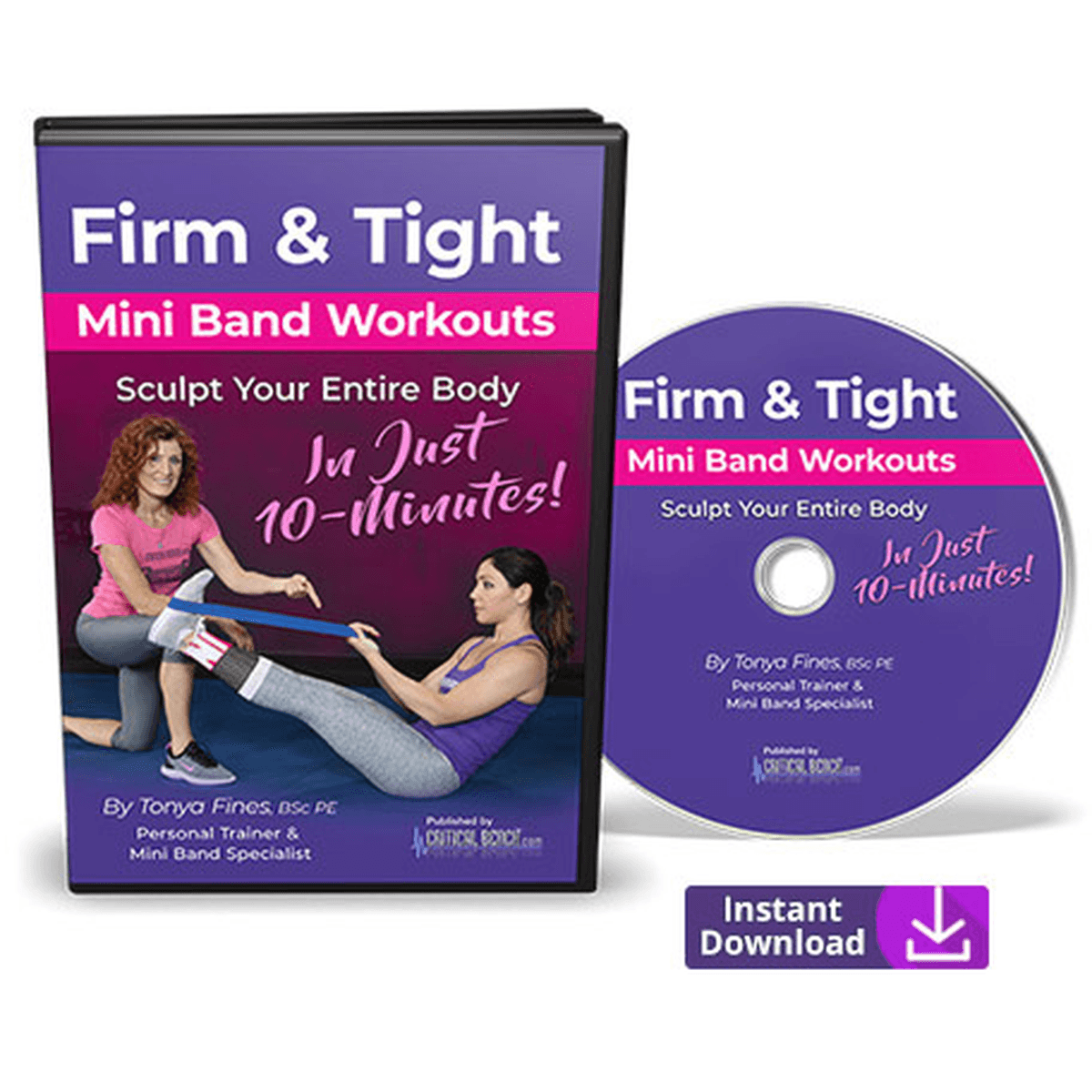
Firm And Tight Mini Band Workouts
View product - View Zoe Women's Coaching Program

Zoe Women's Coaching Program
View product - View Advanced Amino Formula
Advanced Amino Formula
View product
Related articles
Blood Sugar Support Supplements: Ingredients, Evidence, and Safety
"Blood sugar support" is one of the busiest categories in the supplement market. Bottles promise to "balance," "stabilize," or "support" glucose, often with a list of botanicals an…
Nov 3, 2026
Women's Health During Menopause: Understanding Common Changes and Wellness Options
Menopause is a normal stage of life, but the years around it can bring changes that feel anything but normal: hot flashes, broken sleep, shifting moods, and questions about bone an…
Nov 3, 2026
Oral Probiotics Explained: Understanding Strains, Dental Health, and Research
Oral probiotics are chewable tablets, lozenges, and drops that contain live bacteria and are marketed for teeth, gums, and fresh breath. The idea is appealing, but the research is…
Nov 3, 2026