
How to Evaluate Brain Health Supplements: A Consumer Guide
Nov 3, 2026

Memory, focus, and "mental clarity" are among the most heavily advertised benefits in the wellness market. Products range from capsules with long lists of botanicals to audio tracks that promise to "tune" your brain. The claims are often bold, and the evidence is usually much thinner. This guide explains what cognitive health depends on, what clinical research can and cannot tell you, and how to evaluate a brain-health product, whether it comes in a capsule or an audio file.
Understanding Cognitive Health
Cognitive health is your ability to think, learn, remember, and make decisions. It is influenced by age, genetics, sleep, physical activity, diet, blood pressure, hearing and vision, mood, social connection, and medical conditions. Mild forgetfulness can be a normal part of aging, and it can also be caused by sleep loss, stress, depression, medicines, thyroid problems, or vitamin B12 deficiency. Because many of these causes are treatable, new or worsening memory problems deserve a medical evaluation, not a supplement.
The National Institute on Aging (NIA) says that no vitamin or supplement has been proven to prevent Alzheimer's disease or other forms of cognitive decline. What has better support are healthy habits: regular physical activity, a healthy diet, good sleep, managing blood pressure and other health conditions, and staying socially and mentally active.

Two Very Different Kinds of "Brain Products"
Several products in our catalog are marketed around brain health, and they are not alike:
| Product | Type | What the official site says it is |
|---|---|---|
| NeuroSerge | Capsule supplement | "A unique blend of 20+ ingredients," six of which are named |
| PhytoMem One | Daily supplement | A formula of botanicals, sea kelp compounds, berberine, and xylitol |
| Neuro Energizer | Digital audio | Seven-minute "frequency-based" tracks using binaural beats |
| The Memory Wave | Digital audio | A 12-minute sound session aimed at "gamma" brain activity |
| The Brain Song | Digital audio | A 12-minute daily audio track |
Supplements and audio programs need to be evaluated differently. Our overviews describe what each brand publishes, and none of these brands publishes a clinical trial of its finished product that we could find.
Common Ingredients in Brain-Health Supplements
- Plant extracts and antioxidants such as olive leaf, green tea, grape seed, bilberry, and saffron. They have been studied for general health, with limited and varied evidence for memory or cognition in healthy adults.
- Cinnamon (Cinnamomum cassia or Ceylon). The NCCIH says studies in people do not clearly support cinnamon for any health condition. Some cassia cinnamon products contain high levels of coumarin, which has been associated with liver effects.
- Berberine and banaba (corosolic acid). Studied for blood sugar, not memory, and they can interact with medicines.
- Fucoxanthin and fucoidan (sea kelp compounds). Mostly early research.
- Vitamins and minerals. Deficiency (for example, B12) can affect memory, but extra vitamins do not help people with normal levels. The NIA notes one large trial in which a daily multivitamin showed a small, preliminary benefit for memory in older adults, and that researchers said it was too early to recommend it.
- Omega-3 fatty acids. The NIA notes that in a study of about 4,000 older adults, omega-3 supplements did not slow cognitive decline. See our article on omega-3.
- Caffeine and stimulant compounds (found in green tea and some products). They can increase alertness but can also cause jitters and poor sleep.
What Clinical Evidence Can and Cannot Establish
A useful trial of a brain-health product:
- is randomized and placebo-controlled,
- tests the actual product at the actual dose,
- uses validated cognitive tests, not just self-reported "clarity,"
- includes enough participants and follows them long enough,
- is independent or transparent about funding, and
- is published and peer-reviewed.
Be careful about:
- Ingredient studies. Research on olive leaf extract in a trial says little about a capsule with 20 other ingredients in unlisted amounts.
- Animal and cell studies. These are early-stage and often do not translate to people.
- Surrogate measures. Blood markers are not the same as memory.
- Testimonials, which are not evidence.
Ingredient Combinations
Many products combine a dozen or more ingredients. That can make it harder, not easier, to know what works, since you cannot tell which ingredient does what, whether doses are meaningful, or how ingredients interact. "Backed by clinical research" on a label usually refers to ingredients, not the finished product.
What About Audio Programs?
Some products use sound to claim effects on focus, memory, or relaxation.
- Binaural beats present slightly different tones to each ear. A 2019 meta-analysis of 22 studies (Garcia-Argibay and colleagues) reported a medium overall effect on cognition, anxiety, and pain perception, with results depending on the frequency, listening time, and when the sound was played. The studies were varied and often small, and they do not test any specific commercial track.
- Gamma-frequency stimulation is an active research area, mostly in animal studies and early, small human studies, often using specialized equipment, not everyday audio.
- Safety. Audio is low-risk for most people, but do not listen while driving, and ask a doctor first if you have epilepsy or a seizure disorder.
No evidence we found shows that these audio products prevent dementia or improve memory in healthy adults, and we do not make that claim.
Reading Supplement Labels
Check:
- Every ingredient and its amount. A "20+ ingredient blend" that names only six, or amounts that are unpublished, makes dose and safety hard to judge.
- The form and serving size, and how many to take.
- Stimulants and sweeteners such as xylitol (toxic to dogs).
- Allergens and additives.
- Independent testing and manufacturer details.
- Claims. Supplements may not claim to treat or prevent disease. Be wary of "reverse memory loss" or "prevent dementia."
See our guide to reading a supplement label and how to choose dietary supplements safely.
Safety and Medication Interactions
Ask a pharmacist before taking a brain-health supplement if you use:
- diabetes medicines (berberine, cinnamon, and banaba can lower blood sugar),
- blood thinners (some botanicals may affect bleeding),
- blood pressure or heart medicines,
- sedatives or antidepressants,
- medicines broken down by the liver,
or if you have liver, kidney, or heart conditions, or are pregnant or nursing. See our guide to understanding supplement interactions.
Recognizing Exaggerated Memory and Focus Claims
Warning signs include:
- "Reverse memory loss," "boost IQ," "restore your brain," or "prevent dementia"
- "Clinically proven" with no study named
- Claims that doctors or neuroscientists endorse the product, without names or credentials
- Unlimited benefits with "no side effects"
- Urgency, countdown timers, or "secret" discoveries
- Testimonials with dramatic before-and-after stories
When to See a Healthcare Professional
Talk to a doctor if you or a family member has:
- memory loss that disrupts daily life,
- trouble with familiar tasks, getting lost, or repeating questions,
- confusion, personality change, or problems with speech,
- sudden changes in thinking (seek urgent care), or
- memory complaints along with low mood, poor sleep, or new medicines.
Questions to Ask a Healthcare Professional
- Could my memory or focus problems have a treatable cause?
- Would a blood test or screening help?
- Does any supplement I take interact with my medicines?
- Which lifestyle changes would help me most?
- Are brain-training or audio products worth trying, and is there any risk for me?
Practical Habits With Better Evidence
- Be physically active most days.
- Prioritize sleep. See our guide to building a healthy sleep routine.
- Eat a balanced diet with vegetables, fruit, whole grains, and fish.
- Manage blood pressure, blood sugar, and cholesterol.
- Stay socially and mentally active.
- Check hearing and vision.
Frequently Asked Questions
Do brain supplements work?
Evidence is limited and mixed. The NIA says no supplement has been proven to prevent dementia.
Are audio programs effective?
Research on binaural beats is mixed, and we found no published trial of these specific products.
Is "clinically proven" meaningful?
Only if the specific study, product, dose, and results are named.
Can I take them with my medicine?
Ask a pharmacist.
What helps memory most?
Sleep, physical activity, good health management, and addressing treatable causes.
Final Thoughts
Brain-health products are easy to market and hard to verify. Whether it is a capsule or an audio track, ask what exactly it is, whether it has been tested as a finished product, what it costs you in risk and money, and whether your concern needs a medical evaluation. Habits and medical care remain the foundation.
Medical Disclaimer
This guide is for general educational purposes only and does not provide medical advice, diagnosis, or treatment. No product discussed prevents dementia or reverses cognitive decline. Consult a qualified healthcare professional about memory or thinking problems or before taking a supplement.
References and Further Reading
- National Institute on Aging (NIA). Cognitive Health and Older Adults
- Garcia-Argibay M, et al. (2019). Efficacy of binaural auditory beats in cognition, anxiety, and pain perception: a meta-analysis. Psychological Research.
- National Center for Complementary and Integrative Health (NCCIH). Cinnamon
- National Center for Complementary and Integrative Health (NCCIH). Using Dietary Supplements Wisely
- NIH Office of Dietary Supplements. Dietary Supplements: What You Need To Know
Related products
- View PhytoMem One
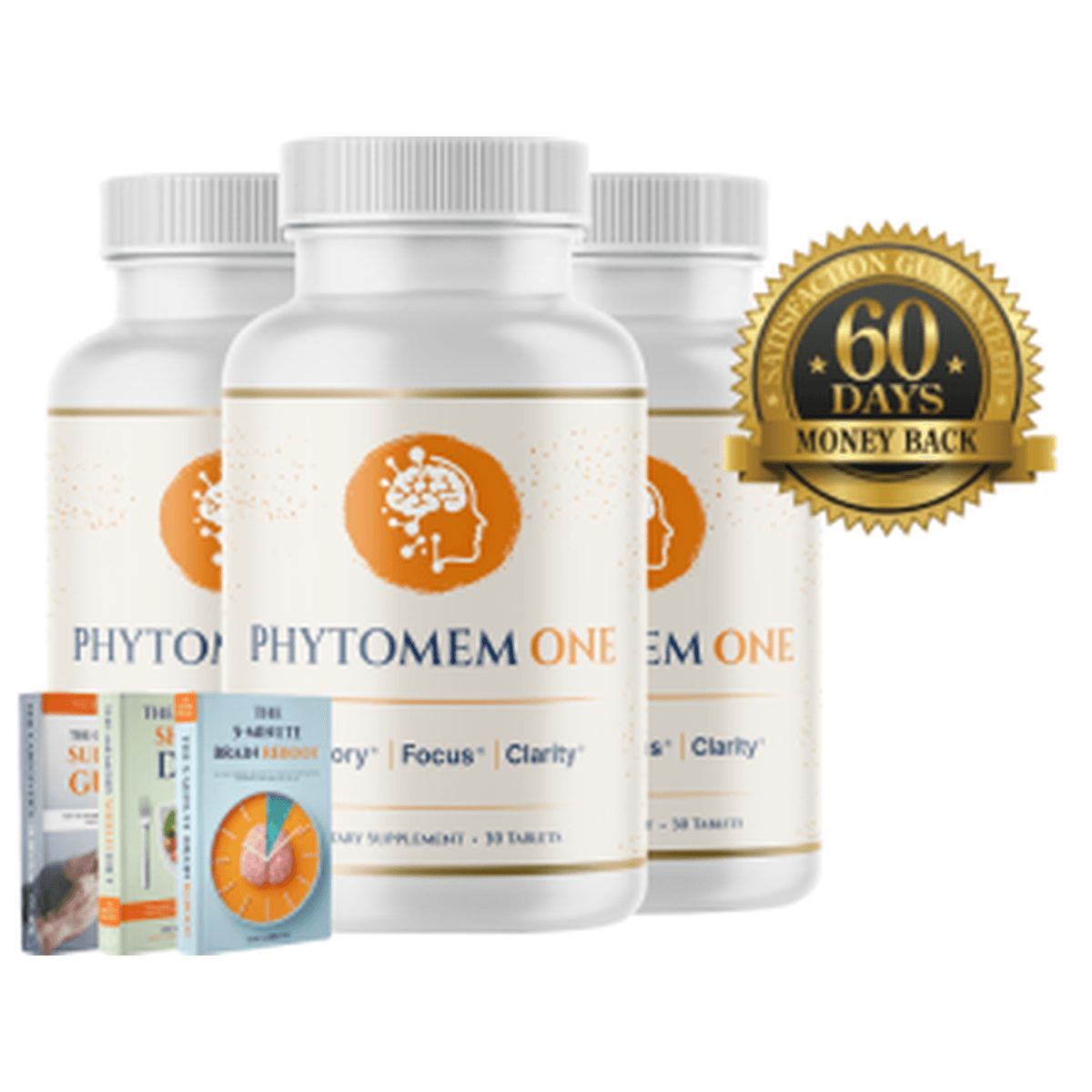
PhytoMem One
View product - View The Memory Wave

The Memory Wave
View product - View NeuroSerge
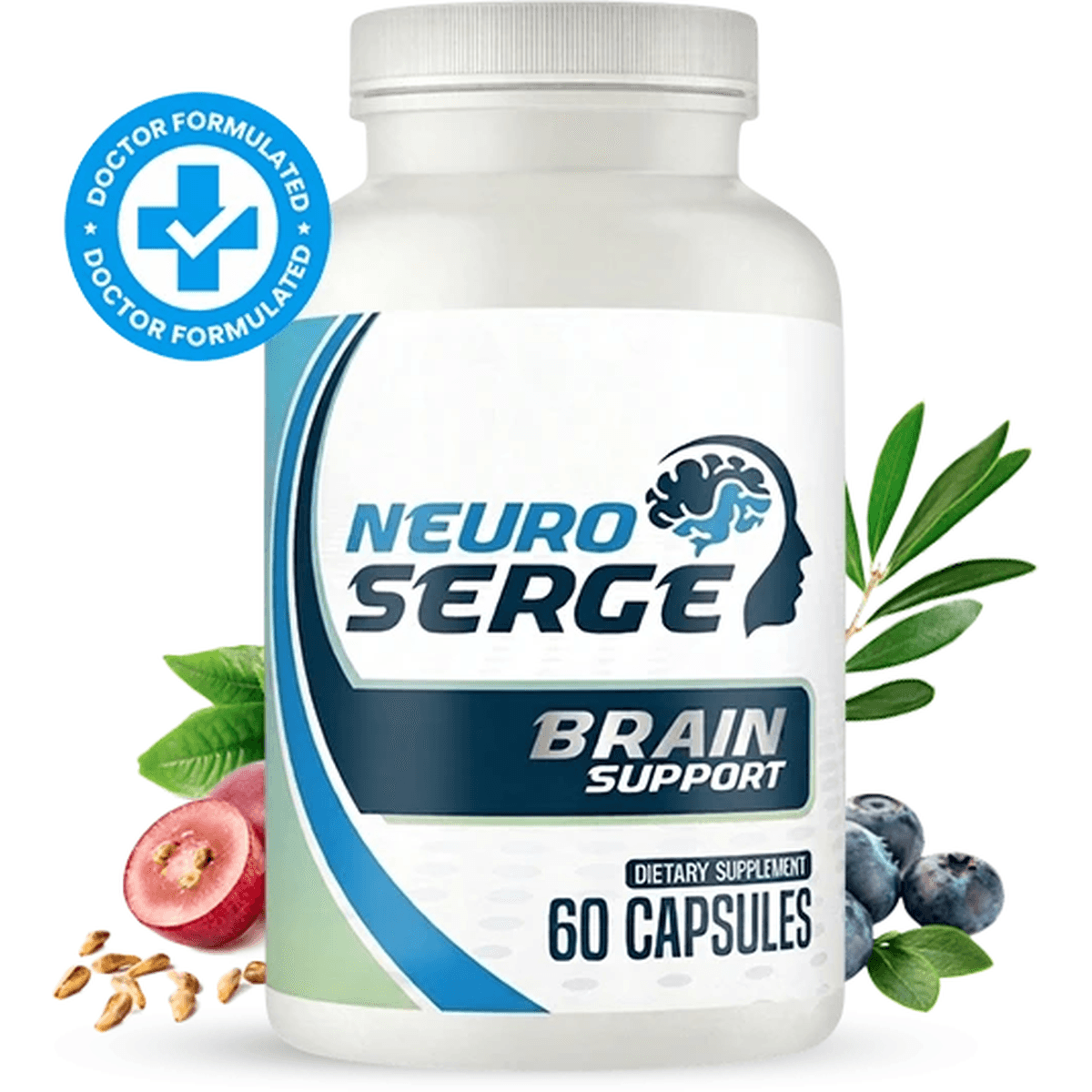
NeuroSerge
View product - View Neuro Energizer
Neuro Energizer
View product - View The Brain Song
The Brain Song
View product