
Prostadine vs. ProstaVive: Product Ingredients, Evidence, and Differences
Nov 3, 2026
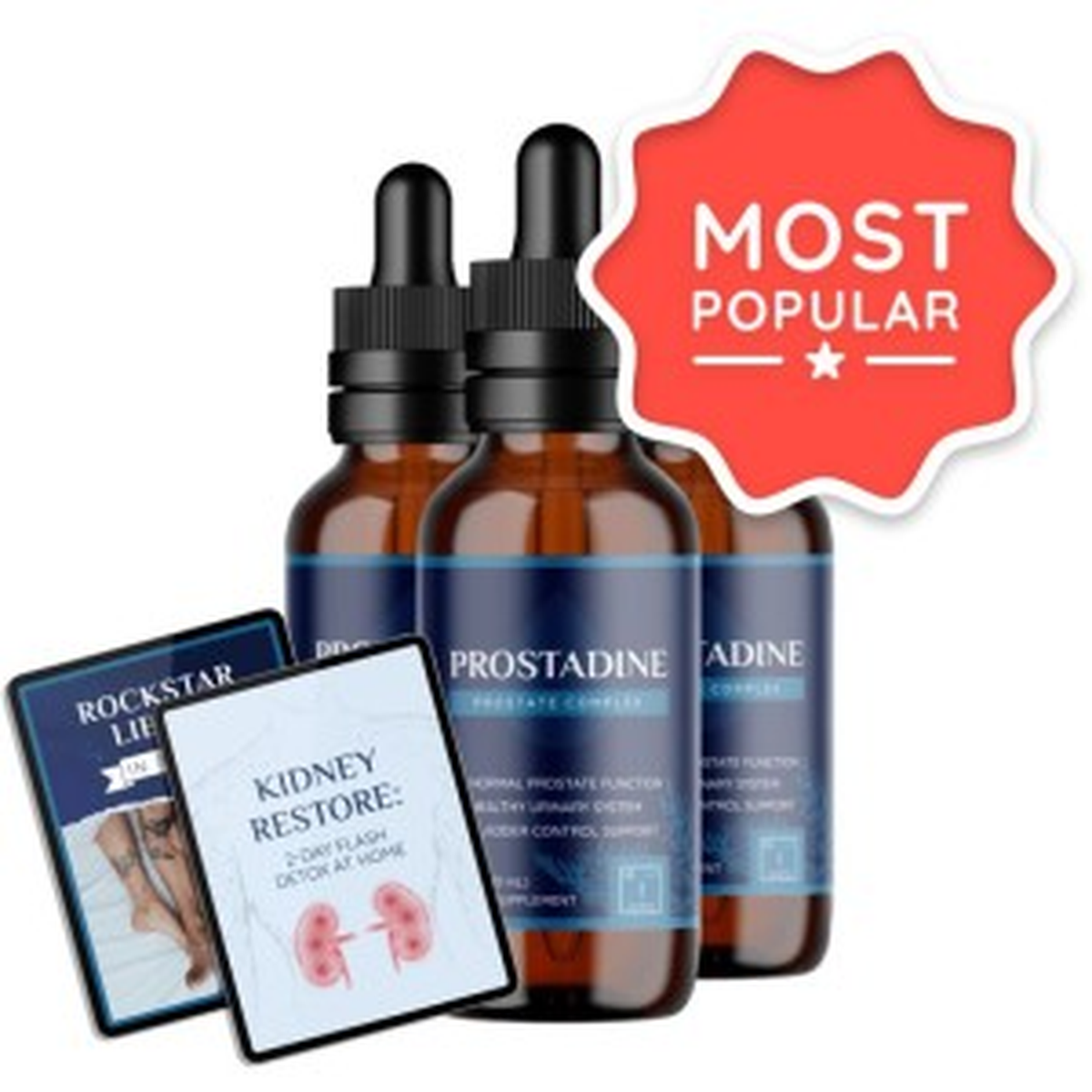
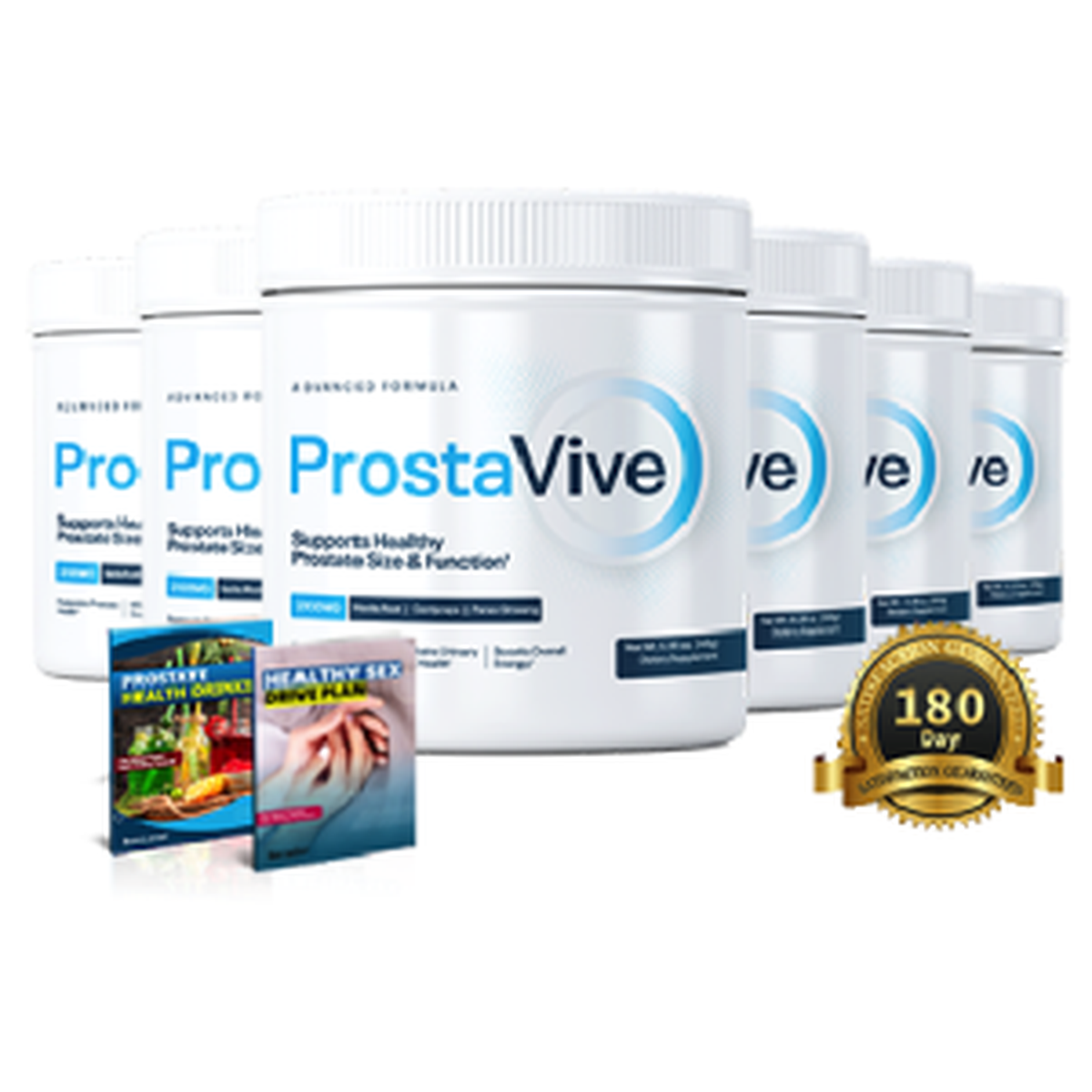
Prostadine and ProstaVive are both marketed to men who want to "support" prostate health, and they are often mentioned together. They look alike on the surface, but they differ in form, ingredients, and how much they disclose. This comparison sets out what each official site states, what research says about the main ingredients, and why ingredient research is not the same as proof that a finished product works. It does not claim that either product treats prostate enlargement, urinary disease, or any other condition, and it does not name a winner.
Affiliate disclosure: Wellness Center USA may earn a commission if you buy through links on this page, at no extra cost to you. Our comparison does not depend on commissions. See our affiliate disclosure.
How We Compared Them
- Every product detail comes from each brand's official website as recorded in our overviews: Prostadine and ProstaVive. "Per the brand" means we have not verified the claim independently.
- We did not test either product.
- Neither official site names a manufacturer in the material we reviewed.
- We do not list prices because we have not verified current ones. Check the current price at checkout.

Illustrative stock image, not a photograph of either product.
Background: Prostate Symptoms
The prostate is a walnut-sized gland below the bladder that surrounds the urethra. According to the National Institute of Diabetes and Digestive and Kidney Diseases (NIDDK), benign prostatic hyperplasia (BPH), or enlarged prostate, is a noncancerous enlargement that becomes more common with age, and it can cause a weak urine stream, urgency, frequent urination, and getting up at night to urinate. These symptoms can also be caused by infection, medicines, diabetes, and other conditions, including prostate cancer, so they should be assessed by a clinician and not self-treated.
Side-by-Side Comparison
| Feature | Prostadine | ProstaVive |
|---|---|---|
| Form | Liquid in a dropper bottle | Powder (scoop) |
| Suggested use | 2 full droppers (2 ml) a day, preferably in the morning | 1 scoop a day in water or a drink, with a meal |
| Brand's stated purpose | "Support the health of your prostate and urinary system" | "Promote prostate health" and "strong flow" |
| Listed ingredients | Nori yaki, wakame, kelp, bladderwrack (seaweeds), saw palmetto, pomegranate extract, iodine, shilajit, neem | Boron, tongkat ali, ashwagandha, fenugreek, Panax ginseng, maca root, artichoke extract, nettle root, zinc, magnesium, vitamin D |
| Ingredient amounts | Not published | Shown only in a supplement-facts image, not in the page text |
| Contains iodine | Yes (added iodine plus four seaweeds) | No |
| Contains stimulant herbs | No stimulants (per the brand) | Contains herbs such as ginseng and ashwagandha |
| Supply | Servings per bottle not stated | 30 days per bottle |
| Manufacturer | Not named | Not named; "strict quality control" (per the brand) |
| Refund | 60 days, unused product | 180 days |
| US shipping | Free, 5–7 working days | 3–5 business days after processing |
| Retailer | ClickBank | ClickBank |
| Published trial of the finished product | None found | None found |
| Price | Not verified | Not verified |
Key Differences
1. Different formulas
Prostadine is built around saw palmetto, four seaweeds, and added iodine, plus shilajit, neem, and pomegranate. ProstaVive is built around herbs associated with vitality (tongkat ali, ashwagandha, ginseng, maca, fenugreek), nettle root, and minerals and vitamins. They share almost no ingredients.
2. Iodine
Prostadine contains iodine and seaweeds that are naturally high in iodine, and does not state the amount. The NIH Office of Dietary Supplements notes that too much iodine can cause thyroid problems, particularly in people with existing thyroid disease. People with a thyroid condition or who take thyroid medicine should speak to a doctor first. ProstaVive does not list iodine.
3. Herbs and medicine interactions
ProstaVive contains several herbs that can interact with medicines. NCCIH notes that ashwagandha might interact with medicines for diabetes and blood pressure, sedatives, and thyroid medicines. Fenugreek can affect blood sugar. Ginseng may interact with blood thinners and other medicines. See our article on ashwagandha and our guide to supplement interactions.
4. How the amounts are disclosed
Prostadine does not publish amounts. ProstaVive shows amounts in a label image, which is better than none, but it is not in the page text. For both, you cannot compare doses with research on individual ingredients unless you read the label closely.
5. Refund and shipping terms
ProstaVive advertises a 180-day refund, and Prostadine advertises 60 days. Both are seller policies that can change. Read the current terms and keep your order details.
Ingredient Research Versus Evidence for the Finished Product
This is the most important point in this comparison. Research on an ingredient tells you something about that ingredient, in the form, dose, and population studied. It does not tell you whether a finished product that contains it, in an unknown amount and with other ingredients, works.
- Saw palmetto (Prostadine) is the most studied ingredient in either product. A Cochrane review of randomized trials in men with urinary symptoms from BPH (Tacklind and colleagues) found that saw palmetto did not improve urinary symptoms or flow more than placebo, even at higher doses.
- Nettle root (ProstaVive) has been studied for urinary symptoms linked to BPH, with mixed results and limited trial quality. It is not an established treatment.
- Zinc is concentrated in prostate tissue, but supplementing zinc has not been shown to treat prostate symptoms. The upper limit for adults is 40 mg a day from all sources.
- The seaweeds, shilajit, neem, and pomegranate (Prostadine) and tongkat ali, maca, fenugreek, ginseng, ashwagandha, artichoke, and boron (ProstaVive) have traditional uses or small studies, mostly for other purposes, such as vitality or energy. They do not show that either product treats prostate enlargement or urinary conditions.
We found no published clinical trial of Prostadine or ProstaVive.
Safety Information
- Urinary symptoms need a check-up. Weak stream, straining, blood in the urine, pain, fever, or getting up several times a night should be assessed by a doctor. Do not delay care.
- Thyroid: Prostadine contains iodine.
- Medicines: ProstaVive's herbs may interact with diabetes, blood pressure, blood thinner, sedative, and thyroid medicines.
- Shilajit quality: raw shilajit can contain heavy metals, so purity testing matters. Prostadine's site says ingredients are tested for purity, but names no testing body.
- Pregnancy, nursing, and medicines: not intended for women or children. Ask a pharmacist.
- "FDA-registered facility" claims mean the facility is registered, not that the product is approved.
How to Evaluate Either Product
- Read the full label, including all amounts.
- Check for iodine, stimulants, and herbs relevant to your medicines.
- Look for independent testing.
- Check claims for disease-treatment promises, which supplements are not allowed to make.
- Compare refund conditions.
- Talk to a clinician about symptoms and a checkup.
See our guide to reading a supplement label.
Which Should You Choose?
The evidence does not support choosing one as better for the prostate. The main differences are practical: a liquid with iodine and seaweeds (Prostadine) versus a powder with herbs and minerals (ProstaVive), with different medicine cautions and refund windows. If you have urinary symptoms, the most useful step is a medical evaluation, not a supplement.
Everyday Habits for Urinary Comfort
- Spread fluids through the day and cut back in the two hours before bed.
- Limit caffeine and alcohol, which can increase urgency.
- Stay active and keep a healthy weight.
- Keep regular checkups.
Frequently Asked Questions
Does Prostadine or ProstaVive treat an enlarged prostate?
No evidence shows that either does, and we do not make that claim. Enlarged prostate needs medical assessment.
Which is safer?
Neither can be called safe for everyone. Prostadine's iodine matters for thyroid conditions, and ProstaVive's herbs matter for several medicines.
Do they contain the same ingredients?
No. They share almost none.
Is saw palmetto proven to help?
A Cochrane review found it did not improve urinary symptoms more than placebo.
Can I take one with my prostate medicine?
Ask your doctor or pharmacist first, and never stop prescribed treatment.
Final Thoughts
Prostadine and ProstaVive are two very different formulas sold with similar promises. Neither has published evidence for the finished product, the amounts are only partly disclosed, and both carry medicine or thyroid cautions. Prostate and urinary symptoms deserve a proper evaluation, and a supplement is, at most, an optional extra.
Medical Disclaimer
This comparison is for general educational purposes only and does not provide medical advice, diagnosis, or treatment. It does not claim that any product treats prostate or urinary conditions. Consult a qualified healthcare professional about urinary symptoms or before taking a supplement. Information about products comes from each brand's published materials, which can change.
References and Further Reading
- Official brand websites: getprostadine.com and prostavive.org
- Tacklind J, et al. (2012). Serenoa repens for benign prostatic hyperplasia. Cochrane Database of Systematic Reviews.
- National Institute of Diabetes and Digestive and Kidney Diseases (NIDDK). Enlarged Prostate (Benign Prostatic Hyperplasia)
- NIH Office of Dietary Supplements. Iodine: Fact Sheet for Health Professionals
- National Center for Complementary and Integrative Health (NCCIH). Ashwagandha
- National Center for Complementary and Integrative Health (NCCIH). Saw Palmetto