What Are the Best Vitamins for Healthy Skin? A Guide to Essential Nutrients
By the Wellness Center USA editorial team ·
Healthy skin depends on many things: genes, sun exposure, sleep, hormones, smoking, skincare habits, and what you eat. Vitamins and other nutrients play a real part, but the story is more nuanced than many marketing claims suggest. Most people who eat a varied diet already get what their skin needs, and extra vitamins rarely make a visible difference unless you are low in a particular nutrient.
This guide explains what the key vitamins do for skin, which foods provide them, what the evidence says about popular supplements such as biotin, and how to use supplements safely.
1. Understanding Skin Health
Your skin is your largest organ. It forms a barrier against germs and water loss, helps regulate body temperature, and makes vitamin D when exposed to sunlight. It renews itself continuously: the outer layer is replaced roughly every month, which is why it needs a steady supply of protein, fats, vitamins, and minerals.
Several factors that nutrition cannot fix strongly affect how skin looks and behaves, including:
- Sun exposure: the biggest preventable cause of premature skin ageing and skin cancer.
- Smoking and alcohol: both are linked to dryness and earlier lines.
- Genetics and hormones: these influence acne, dryness, and ageing.
- Medical conditions: eczema, psoriasis, rosacea, and thyroid or nutrient problems can all show on the skin.
Think of nutrition as one supportive piece of a bigger picture.
2. Vitamin A and Normal Skin Function
Vitamin A helps skin cells grow and mature normally, and it supports the skin's role as a barrier. Deficiency is uncommon in the United States but can cause dry, rough skin.
Where to find it: liver, eggs, dairy (as preformed vitamin A, or retinol), and orange and dark green vegetables such as carrots, sweet potatoes, spinach, and kale (as beta-carotene, which your body converts as needed).
Safety: Preformed vitamin A can build up in the body. The U.S. National Institutes of Health (NIH) sets an upper limit of 3,000 micrograms (mcg) of retinol activity equivalents daily for adults, and high intakes during pregnancy can cause birth defects. People who smoke or used to smoke should avoid high-dose beta-carotene supplements, which have been linked to a higher risk of lung cancer. Prescription retinoid medicines for acne are a separate matter and need medical supervision.
3. Vitamin C and Collagen Formation
Vitamin C is required to make collagen, the protein that gives skin its structure. It is also an antioxidant that helps protect cells from damage by unstable molecules called free radicals, including those produced by sunlight and pollution.
Severe vitamin C deficiency causes scurvy, which leads to bleeding gums, easy bruising, and poor wound healing. That is rare today. The recommended daily intake is 90 mg for adult men and 75 mg for adult women, and most people reach this with fruit and vegetables.
Where to find it: citrus fruit, strawberries, kiwi, bell peppers, broccoli, tomatoes, and potatoes.
What the evidence says: Vitamin C creams are widely used in skincare, and some small studies suggest topical forms may help with photoageing, but results depend heavily on the formulation. Taking extra vitamin C by mouth has not been shown to improve skin in people who already get enough. The upper limit for adults is 2,000 mg per day; more can cause stomach upset and diarrhoea.
4. Vitamin D and Skin Health
Your skin makes vitamin D when it is exposed to ultraviolet B radiation from the sun. Vitamin D supports bone health and immune function, and skin cells have receptors for it. But the picture is complicated: getting vitamin D from unprotected sun exposure raises skin-cancer risk, so health agencies do not recommend tanning or sunbathing for vitamin D.
Where to find it: fatty fish such as salmon and sardines, egg yolks, fortified milk, plant milks and cereals, and supplements.
Intake: The recommended daily amount is 600 IU (15 mcg) for most adults and 800 IU (20 mcg) for people over 70, with an upper limit of 4,000 IU (100 mcg). A blood test can show whether you are low, which is more common in people with darker skin, limited sun exposure, or certain health conditions.
5. Vitamin E and Antioxidant Function
Vitamin E is a fat-soluble antioxidant found in the skin's oil layer. It helps protect cell membranes, and it is a common ingredient in moisturisers.
Where to find it: sunflower seeds, almonds, hazelnuts, peanut butter, vegetable oils such as sunflower and safflower, and spinach.
What the evidence says: Most people get enough from food. Taking large supplemental doses has not been shown to improve skin, and the NIH warns that high doses can increase the risk of bleeding, particularly if you take blood thinners. The upper limit for adults is 1,000 mg per day.
6. Biotin and What the Evidence Says
Biotin (vitamin B7) is heavily marketed for "hair, skin and nails". Biotin is essential, and true deficiency can cause a scaly red rash and hair thinning, but deficiency is rare in healthy people who eat normally.
The NIH notes that there is little good evidence that biotin supplements improve hair, skin, or nails in people who are not deficient.
An important safety point: The U.S. Food and Drug Administration (FDA) has warned that biotin supplements can interfere with some laboratory tests, including those for thyroid hormones and troponin (used to diagnose a heart attack), leading to false results. If you take biotin, tell your doctor and the laboratory before any blood test.
7. Foods That Provide Essential Nutrients
Food gives you vitamins together with fibre, protein, healthy fats, and plant compounds that work together. A skin-friendly pattern is not complicated:
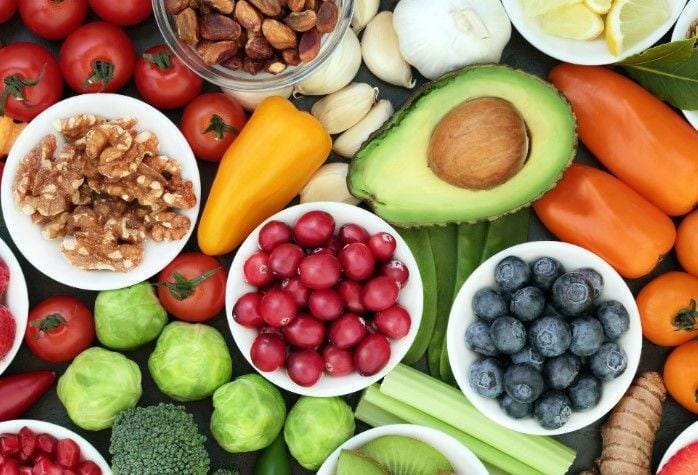
- Colourful fruit and vegetables: berries, citrus, peppers, tomatoes, leafy greens, and carrots.
- Healthy fats: oily fish, nuts, seeds, avocado, and olive oil. These provide essential fatty acids that help the skin barrier.
- Protein: eggs, fish, poultry, beans, and dairy supply the building blocks for collagen and keratin.
- Whole grains and legumes: steady energy and B vitamins.
- Water and fewer sugary drinks: adequate hydration supports overall health, though drinking extra water will not cure dry skin on its own.
8. When Supplements May Be Appropriate
Supplements are not a shortcut to better skin, but there are situations where they can be sensible:
- A diagnosed deficiency, confirmed by a blood test, for example vitamin D, iron, or B12.
- Restricted diets, such as strict vegan eating (B12 is the clearest need), or conditions that limit absorption.
- Pregnancy or breastfeeding, when a healthcare professional may recommend specific vitamins such as folic acid and vitamin D.
- Older age or limited sun exposure, when vitamin D may be advised.
For most healthy adults, a balanced diet is the best first step. If you are considering a supplement for your skin, ask your doctor or pharmacist whether a test or a specific nutrient makes sense.
9. Supplement Safety and Possible Interactions
"Natural" does not mean risk-free. Keep these points in mind:
- Check the totals. Vitamins A, D, E, and K are fat-soluble and can accumulate. Count what you get from multivitamins, fortified foods, and standalone products.
- Beware of interactions. Vitamin E and fish oil may add to the effect of blood thinners; vitamin A can interact with some acne medicines; biotin affects lab tests.
- Be cautious in pregnancy. High-dose vitamin A is harmful.
- Look for quality marks. Supplements are not approved by the FDA before sale. Independent testing seals can help you pick better-made products.
- Treat big promises sceptically. No vitamin can erase wrinkles or cure eczema or acne. If a product claims to treat a skin condition, be wary.

Skincare products that contain vitamins
Some products deliver vitamins to the skin directly rather than through supplements. For example, our independent overview of Metanail Complex, a topical serum for nails and feet, explains how the brand describes its use of vitamins C and E and hyaluronic acid and what is, and is not, known about such ingredients. Another overview covers PrimeBiome, a probiotic gummy the brand markets in connection with skin and gut balance. Neither is a treatment for a skin condition, and any new product should be patch-tested.
10. Frequently Asked Questions
Which vitamin is best for skin?
No single vitamin is best. Vitamins A, C, D, and E and several minerals each play a role. Eating a varied diet is the most reliable approach.
Do collagen or biotin supplements work?
Evidence is limited. Some small studies of collagen peptides suggest modest improvements in skin hydration or elasticity, though they are often industry-funded. For biotin, there is little proof of benefit without a deficiency, and it can distort lab results.
Can vitamin C serum make a difference?
Topical vitamin C is used for photoageing and uneven tone, and some studies show benefit, but products vary greatly. Sunscreen remains the most effective everyday step for skin health.
Can I get enough vitamin D from the sun?
You can, but sun exposure raises skin-cancer risk, so health agencies advise sun protection. Food, fortified products, and supplements are alternatives. A blood test can guide you.
Can diet cause acne?
Research suggests that high-glycaemic foods and, for some people, dairy, may be linked to acne, but evidence is mixed. Acne has many causes. A dermatologist can help.
When should I see a dermatologist?
See one for persistent rashes, new or changing moles, severe acne, sudden hair loss, or skin that is painful, bleeding, or not healing.
Final Thoughts
Good nutrition supports normal skin function, but it works quietly in the background. Eat a variety of colourful, minimally processed foods, protect your skin from the sun, avoid smoking, sleep well, and be sceptical of big promises from supplements. If you think a deficiency could be affecting your skin, get tested rather than guessing.
Medical Disclaimer
This article is intended for general educational purposes only and does not provide medical advice, diagnosis, or treatment. Consult a qualified healthcare professional before starting supplements or if you have concerns about your skin. Product mentions link to independent overviews; they are not recommendations or guarantees of results.
References and Further Reading
- NIH Office of Dietary Supplements. Vitamin A
- NIH Office of Dietary Supplements. Vitamin C
- NIH Office of Dietary Supplements. Vitamin D
- NIH Office of Dietary Supplements. Vitamin E
- NIH Office of Dietary Supplements. Biotin
- U.S. Food and Drug Administration. Biotin May Interfere with Lab Tests: FDA Safety Communication
Related products
- View Metanail Complex
Metanail Complex
View product - View PrimeBiome
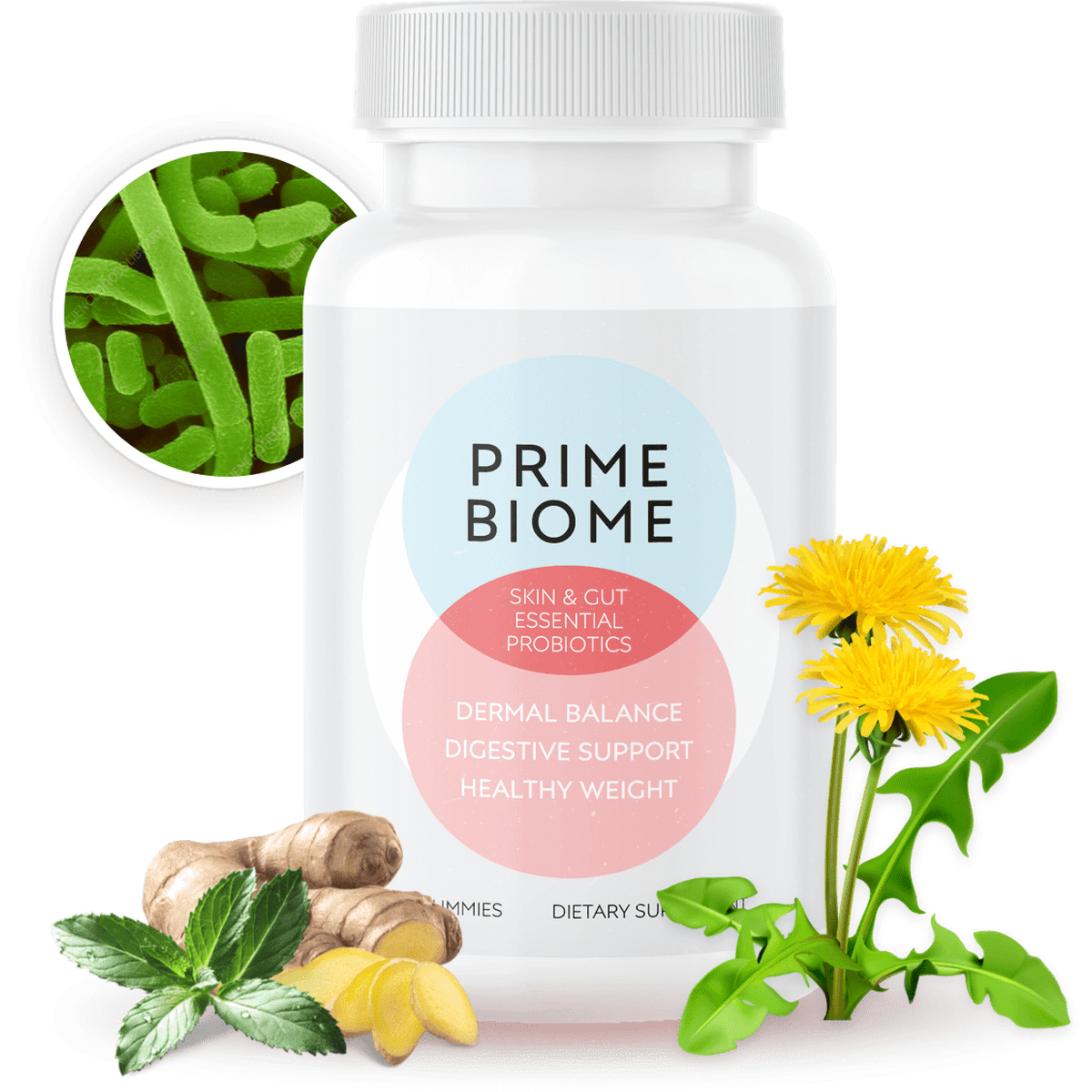
PrimeBiome
View product
Related articles
Blood Sugar Support Supplements: Ingredients, Evidence, and Safety
"Blood sugar support" is one of the busiest categories in the supplement market. Bottles promise to "balance," "stabilize," or "support" glucose, often with a list of botanicals an…
Nov 3, 2026
Women's Health During Menopause: Understanding Common Changes and Wellness Options
Menopause is a normal stage of life, but the years around it can bring changes that feel anything but normal: hot flashes, broken sleep, shifting moods, and questions about bone an…
Nov 3, 2026
Oral Probiotics Explained: Understanding Strains, Dental Health, and Research
Oral probiotics are chewable tablets, lozenges, and drops that contain live bacteria and are marketed for teeth, gums, and fresh breath. The idea is appealing, but the research is…
Nov 3, 2026