
Can Exercise Improve Mental Health? 8 Benefits Backed by Research
By the Wellness Center USA editorial team ·

Exercise is widely recognized for its physical health benefits, but its influence extends beyond stronger muscles and better cardiovascular fitness. Regular physical activity can also support emotional well-being, improve sleep quality, reduce feelings of anxiety, and help people manage everyday stress.
You do not necessarily need an expensive gym membership, specialized equipment, or an intense workout routine to get started. Walking, cycling, swimming, dancing, and other activities you enjoy can all be ways to become more physically active.
Research from the Centers for Disease Control and Prevention (CDC) indicates that physical activity can provide immediate benefits, including reduced short-term feelings of anxiety, as well as longer-term benefits for mental and cognitive health.
However, exercise is not a guaranteed solution for every mental health concern. Its effects differ between individuals, and it should not replace professional treatment when that treatment is needed.
In this guide, we explore eight ways exercise may support mental health, how to build a manageable routine, and when to seek additional support.
1. How Are Exercise and Mental Health Connected?
Mental health includes emotional, psychological, and social well-being. It influences how people manage stress, interact with others, make decisions, and approach everyday challenges.
Physical activity can influence several aspects of this experience.
For example, a walk outdoors may provide a break from work-related stress. A group exercise class can create opportunities for social interaction. Regular movement may also help people establish consistent daily routines and improve their sleep.
Scientists continue to investigate the biological and psychological processes involved in these effects. Physical activity may influence brain function, stress regulation, sleep, and mood. The precise effects depend on factors such as activity type, intensity, frequency, and individual circumstances.
According to the CDC, even a single session of moderate-to-vigorous physical activity can provide immediate benefits. Regular activity is also associated with better sleep and a lower risk of developing depression and anxiety.
The key takeaway is simple: physical activity can be one useful part of a broader approach to mental well-being.
2. Eight Mental Health Benefits of Exercise
Benefit 1: Exercise May Help Reduce Feelings of Stress
Stress is a normal response to challenging situations. However, persistent stress can make it difficult to relax, concentrate, or maintain healthy routines.
Physical activity can offer a practical way to take a break from everyday pressures.

For example, a short walk after work may help you step away from deadlines, household responsibilities, and screen time. Stretching or gentle cycling may also provide an opportunity to focus on the present moment instead of repeatedly thinking about stressful situations.
Exercise does not remove the source of every problem, but it can become part of a healthy stress-management routine.
Try this: Take a comfortable 10-minute walk during a break. Choose a pace that feels manageable, and gradually increase your activity if appropriate.
Benefit 2: It May Improve Mood
Physical activity can help some people feel better emotionally.
The CDC identifies improved mood and reduced short-term anxiety as potential benefits of physical activity. Activities that feel enjoyable can also provide a sense of accomplishment and structure.
For example, completing a walk, learning a new dance routine, or reaching a personal fitness milestone may help you feel that you have done something positive for yourself.
You do not have to experience a dramatic mood change after every workout. The goal is to find sustainable activities that fit your preferences and circumstances.
Try this: Choose an activity you genuinely enjoy rather than forcing yourself to follow a routine you dislike.
Benefit 3: Exercise May Help Reduce Feelings of Anxiety
Anxiety can involve persistent worry, tension, restlessness, or difficulty relaxing.
Physical activity may help reduce feelings of anxiety for some people. A moderate workout can provide a structured break from worrying and redirect attention toward movement, breathing, and the surrounding environment.
However, exercise may not be equally helpful for everyone. Some people with anxiety may feel uncomfortable with intense workouts or physical sensations such as a rapidly beating heart.
If that happens, consider gentle activities such as walking, stretching, or beginner-friendly yoga. Increase the intensity gradually and stop if you experience concerning symptoms.
Exercise can complement professional mental health care, but it is not a substitute for treatment when anxiety significantly affects daily life.
Benefit 4: It Can Support Better Sleep
Sleep and mental well-being are closely connected. Poor sleep can make it harder to concentrate, manage emotions, and handle daily stress.
Regular physical activity can help improve sleep quality.
For some people, adding movement to the day makes it easier to establish a consistent routine. Outdoor activity can also provide a reason to step away from screens and spend time in natural light.
You do not need to exhaust yourself to benefit. A regular walking routine or another moderate activity may be a useful starting point.
Try this: Keep a consistent sleep schedule and experiment with exercising earlier in the day if late workouts leave you feeling too energized to sleep.
If you experience persistent insomnia or excessive daytime sleepiness, discuss the problem with a healthcare professional.
Benefit 5: It May Support Brain Health and Concentration
Physical activity benefits more than muscles and the heart. Research summarized by the CDC also connects regular activity with brain health.
Exercise may support aspects of thinking and cognitive function. For some individuals, a movement break can also make it easier to return to a task with renewed attention.
For example, someone who spends hours working at a computer might take a brief walk between tasks rather than remaining seated throughout the day.
These benefits should not be interpreted as a guarantee that exercise will prevent every cognitive condition or eliminate concentration difficulties.
Try this: Schedule short movement breaks during long periods of sitting. Even small changes can help you develop a more active daily routine.
Benefit 6: Exercise Can Create a Sense of Achievement
Mental well-being is not only about reducing unpleasant feelings. It can also involve developing confidence, maintaining routines, and working toward meaningful goals.
Exercise provides opportunities to set achievable targets.
You might begin by walking for five or ten minutes, gradually increasing your distance, or learning a new physical activity. Tracking your progress can help you recognize improvements over time.
Avoid comparing your progress with someone else's. Fitness levels, schedules, abilities, and health circumstances differ considerably.
A realistic goal that you can maintain is often more useful than an ambitious target that leaves you exhausted or discouraged.
Benefit 7: Group Activities Can Encourage Social Connection
Loneliness and limited social interaction can affect emotional well-being. Group physical activities may create opportunities to meet people and develop supportive routines.
Examples include walking groups, recreational sports, beginner fitness classes, cycling clubs, and community exercise programs.
Shared activities can provide structure and make movement more enjoyable. You may also find it easier to remain consistent when exercising with a friend or group.
However, exercising alone is equally valid. Not everyone enjoys group settings, and social interaction is not a requirement for receiving the physical benefits of movement.
Try this: Invite a friend for a walk or explore a beginner-friendly community class if you would enjoy being active with other people.
Benefit 8: Regular Activity May Support Long-Term Emotional Well-Being
The benefits of exercise are not limited to a single workout.
Maintaining a physically active lifestyle can support sleep, everyday functioning, and overall health. Regular activity is also associated with a lower risk of depression and anxiety.
The important word is regular. A sustainable routine that fits your life may be more practical than exercising intensely for a few days and then stopping because the schedule is too difficult.
Consistency does not mean perfection. Illness, work, travel, family responsibilities, and changing energy levels can interrupt routines.
When that happens, start again with a manageable activity rather than treating a missed workout as failure.
3. Which Types of Exercise Can Support Mental Well-Being?
There is no single type of exercise that everyone must follow. The most suitable activity depends on your preferences, physical abilities, health, access to facilities, and available time.
Walking
Walking is accessible to many people and generally requires little equipment.
You can walk outdoors, use an indoor track, or take short movement breaks throughout the day. A comfortable pace is a reasonable starting point for beginners.
Cycling
Cycling can provide aerobic activity while allowing you to choose your route, pace, and duration. Stationary cycling may be an alternative when outdoor conditions are unsuitable.
Use appropriate safety equipment and choose a setting that matches your experience.
Strength Training
Resistance exercises can help improve muscle strength and physical function. Options include bodyweight exercises, resistance bands, and weights.
Beginners should focus on technique and gradually increase the difficulty. Consider guidance from a qualified trainer if you are unfamiliar with resistance training.
Yoga and Gentle Movement
Yoga, stretching, and other gentle movement practices can combine physical activity with attention to breathing and body awareness.
These activities may suit people who prefer lower-impact exercise. They should be adapted to individual mobility and health needs.
Swimming and Water-Based Activities
Swimming and water exercise can provide movement with less weight-bearing impact than some land-based activities.
Access, swimming ability, water safety, and individual medical considerations should guide your choice.
Dancing and Recreational Sports
Dancing, badminton, tennis, and other recreational activities combine movement with enjoyment. Some also provide opportunities for social interaction.
The best option is not necessarily the most popular or demanding one. It is an activity you can participate in safely and reasonably consistently.
4. How Much Exercise Do You Need?
For most adults, the CDC recommends aiming for at least 150 minutes of moderate-intensity aerobic physical activity each week, alongside muscle-strengthening activities on at least two days per week.
Moderate-intensity activities generally make your breathing and heart rate faster while still allowing you to talk, although singing becomes difficult.
These recommendations are broad public health targets, not a requirement to reach immediately before receiving any benefit.
If you are currently inactive, begin with a smaller amount and gradually build up.
For example, you might start with a 10-minute walk on several days of the week. As your comfort and fitness improve, you can extend the duration or add another activity.
You can also accumulate activity in shorter sessions. Your schedule does not have to revolve around one long workout.
People with chronic health conditions, disabilities, mobility limitations, pregnancy-related concerns, or other specific medical needs may require individualized guidance.
If you have concerns about whether a particular activity is suitable for you, speak with a healthcare professional.
5. How to Start an Exercise Routine
Building a sustainable routine does not have to be complicated.

Step 1: Choose One Manageable Activity
Start with something that fits your current fitness level and daily schedule.
Walking, gentle cycling, stretching, or beginner exercises at home may be practical options. If you prefer to follow a structured routine at home, a short follow-along programme such as Firm & Tight Mini Band Workouts is one example of a beginner-friendly option that needs little equipment.
Step 2: Set a Realistic Initial Goal
Instead of promising to exercise every day for an hour, begin with a goal you can reasonably achieve.
For example, you could schedule a short walk three days this week. Adjust the plan as you learn what works for you.
Step 3: Choose a Consistent Time
Some people prefer exercising in the morning. Others find an afternoon walk or an evening activity easier to maintain.
There is no universally perfect time. Choose one that works with your responsibilities and energy levels.
Step 4: Track How You Feel
Notice your energy, sleep, stress, and mood over time.
You might keep a simple journal recording the activity, duration, and how you felt afterward. This can help you identify patterns without turning exercise into another source of pressure.
Step 5: Increase Gradually
When an activity feels comfortable, consider increasing the duration or frequency in small steps.
Avoid sudden increases in intensity, especially if you have been inactive for a long time.
Step 6: Allow Recovery
Rest is an important part of a sustainable routine.
Sleep adequately, take breaks when needed, and avoid pushing through pain, dizziness, chest discomfort, or unusual breathlessness.
Step 7: Be Flexible
Some weeks will be easier than others. If you miss a planned workout, return to your routine when you can.
A flexible approach can help make physical activity part of everyday life rather than an all-or-nothing challenge.
6. Common Exercise Mistakes to Avoid
Exercise should support your well-being, not become another source of guilt or unnecessary pressure.
Watch out for these common mistakes:
- Starting too intensely: Doing too much too soon can increase discomfort, injury risk, and the likelihood of abandoning your routine.
- Comparing yourself with others: Your starting point, abilities, and health needs are different from those of other people.
- Expecting immediate results: Some people notice a mood change after activity, while others may not. Benefits and experiences vary.
- Ignoring pain or concerning symptoms: Stop and seek appropriate medical guidance when symptoms suggest that an activity may be unsafe.
- Treating exercise as a replacement for mental health treatment: Physical activity can complement professional care, but it is not a guaranteed treatment for depression, anxiety, or other mental health conditions.
- Making the routine unnecessarily complicated: You do not need expensive equipment or an elaborate schedule to begin moving more.
Focus on safe, enjoyable, achievable activities.
7. When Should You Seek Professional Help?
Exercise can be a helpful part of self-care, but it is important to recognize when additional support may be needed.
Consider speaking with a qualified healthcare professional if you experience persistent sadness, excessive worry, changes in sleep or appetite, difficulty concentrating, loss of interest in activities, or problems completing everyday responsibilities.
The National Institute of Mental Health advises seeking professional help when severe or distressing symptoms persist, particularly when they interfere with daily life.
You do not have to wait until symptoms become overwhelming to ask for help.
Treatment may include psychotherapy, medication, or other approaches selected with a qualified professional. Exercise may complement these approaches when appropriate.
If you are in the United States and experiencing a mental health crisis or thinking about suicide, call or text 988 to reach the Suicide & Crisis Lifeline. If there is immediate danger, call 911.
Your mental health deserves the same attention and care as your physical health.
8. Frequently Asked Questions
Can exercise improve mental health?
Yes. Research indicates that physical activity can support mental well-being. Potential benefits include reduced short-term anxiety, improved sleep, and a lower risk of depression. Individual experiences vary, and exercise is not a substitute for professional treatment when needed.
What is the best exercise for mental health?
There is no single best activity for everyone. Walking, cycling, swimming, strength training, dancing, and yoga are possible options. Choose an activity that suits your preferences, abilities, and health circumstances.
How long should I exercise to improve my mood?
Some people experience benefits after a single session, but the response differs between individuals. If you are beginning an exercise routine, even a short, comfortable session can be a practical starting point.
Can walking help reduce stress?
Walking may help some people manage everyday stress by providing a movement break and an opportunity to change their surroundings. It is one accessible option, although it will not resolve every source of stress.
Does exercise help with anxiety?
Physical activity can reduce short-term feelings of anxiety for some adults. However, anxiety disorders may require professional assessment and treatment. Choose an appropriate activity and seek help if symptoms interfere with daily life.
Can exercise replace therapy or medication?
No. Exercise can complement mental health treatment, but it should not replace prescribed medication or professional care without guidance from the treating clinician.
Is it okay to exercise when I feel emotionally exhausted?
It depends on how you feel and what is causing the exhaustion. A gentle walk or stretching may feel manageable for some people, while rest may be more appropriate for others. Avoid forcing yourself to exercise when you are unwell, and seek medical advice when symptoms are persistent or concerning.
How can I stay motivated to exercise?
Choose enjoyable activities, set realistic goals, track progress, and create a routine that fits your schedule. Exercising with a friend may also help if you enjoy social activities. Remember that consistency matters more than perfection.
9. Final Thoughts
Exercise can be a valuable part of a healthy lifestyle because its benefits extend beyond physical fitness.
Regular movement may help support mood, sleep, stress management, cognitive health, and social connection. Walking, cycling, swimming, strength training, and other enjoyable activities can all be ways to become more active.
Start with a realistic goal, build gradually, and pay attention to how your body responds. You do not need a perfect workout routine to take a useful first step.
Remember that mental health is influenced by many factors, and exercise is only one part of the picture. If you are struggling emotionally or experiencing persistent symptoms, seek appropriate professional support.
Medical Disclaimer
This article is intended for general educational purposes only and does not provide medical advice, diagnosis, or treatment. Individual needs and responses to exercise vary. Consult a qualified healthcare professional if you have concerns about your mental health or the suitability of a physical activity.
References and Further Reading
- Centers for Disease Control and Prevention (CDC). Benefits of Physical Activity
- National Institute of Mental Health (NIMH). Caring for Your Mental Health
- National Institute on Aging. Mental Health Benefits of Exercise and Physical Activity
- World Health Organization (WHO). Physical Activity
These resources provide further information about physical activity, mental well-being, and general health recommendations.
Related products
- View Firm And Tight Mini Band Workouts
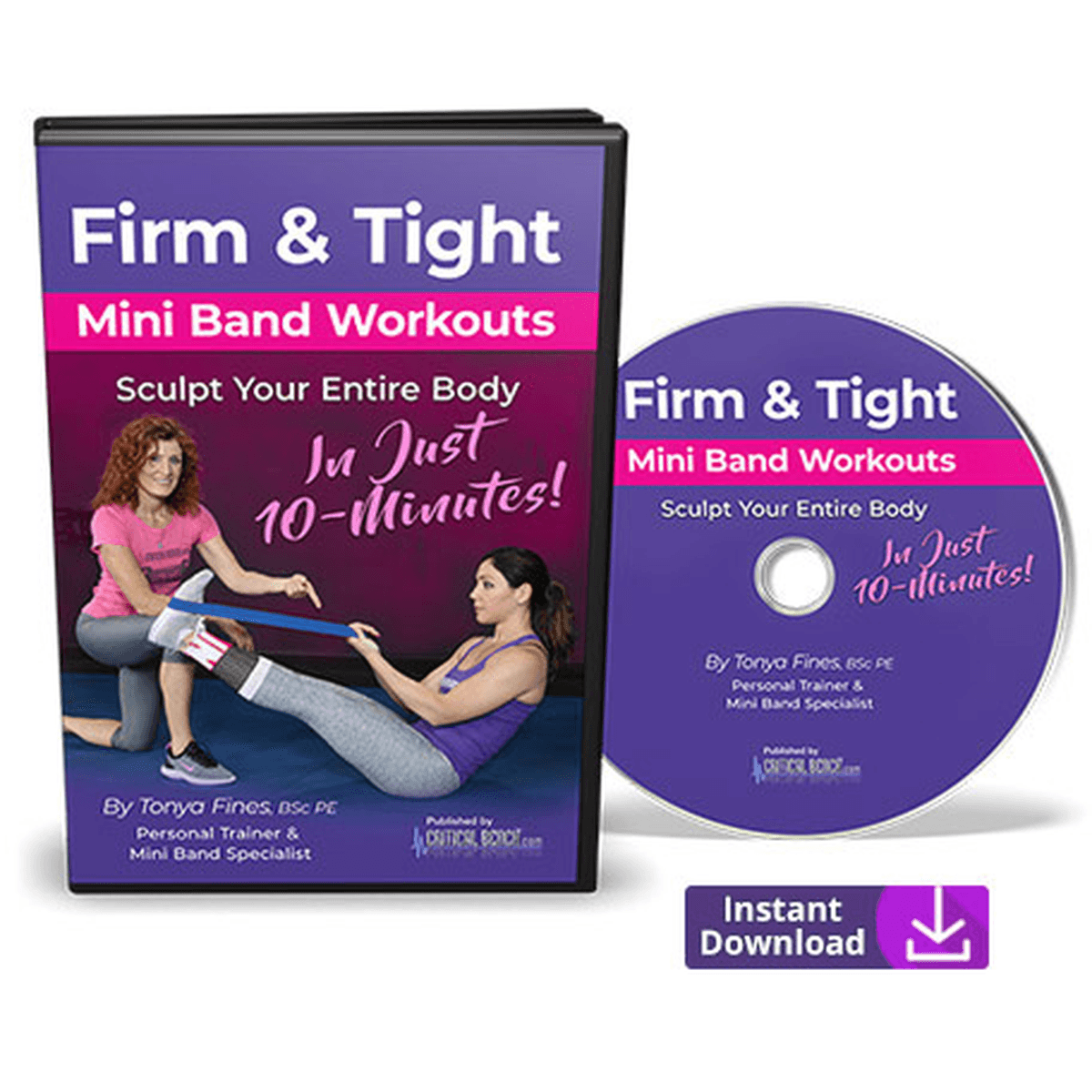
Firm And Tight Mini Band Workouts
View product - View Zoe Women's Coaching Program

Zoe Women's Coaching Program
View product
Related articles
Blood Sugar Support Supplements: Ingredients, Evidence, and Safety
"Blood sugar support" is one of the busiest categories in the supplement market. Bottles promise to "balance," "stabilize," or "support" glucose, often with a list of botanicals an…
Nov 3, 2026
Women's Health During Menopause: Understanding Common Changes and Wellness Options
Menopause is a normal stage of life, but the years around it can bring changes that feel anything but normal: hot flashes, broken sleep, shifting moods, and questions about bone an…
Nov 3, 2026
Oral Probiotics Explained: Understanding Strains, Dental Health, and Research
Oral probiotics are chewable tablets, lozenges, and drops that contain live bacteria and are marketed for teeth, gums, and fresh breath. The idea is appealing, but the research is…
Nov 3, 2026