ProDentim vs. Other Oral Probiotics: What to Compare
Oct 28, 2026
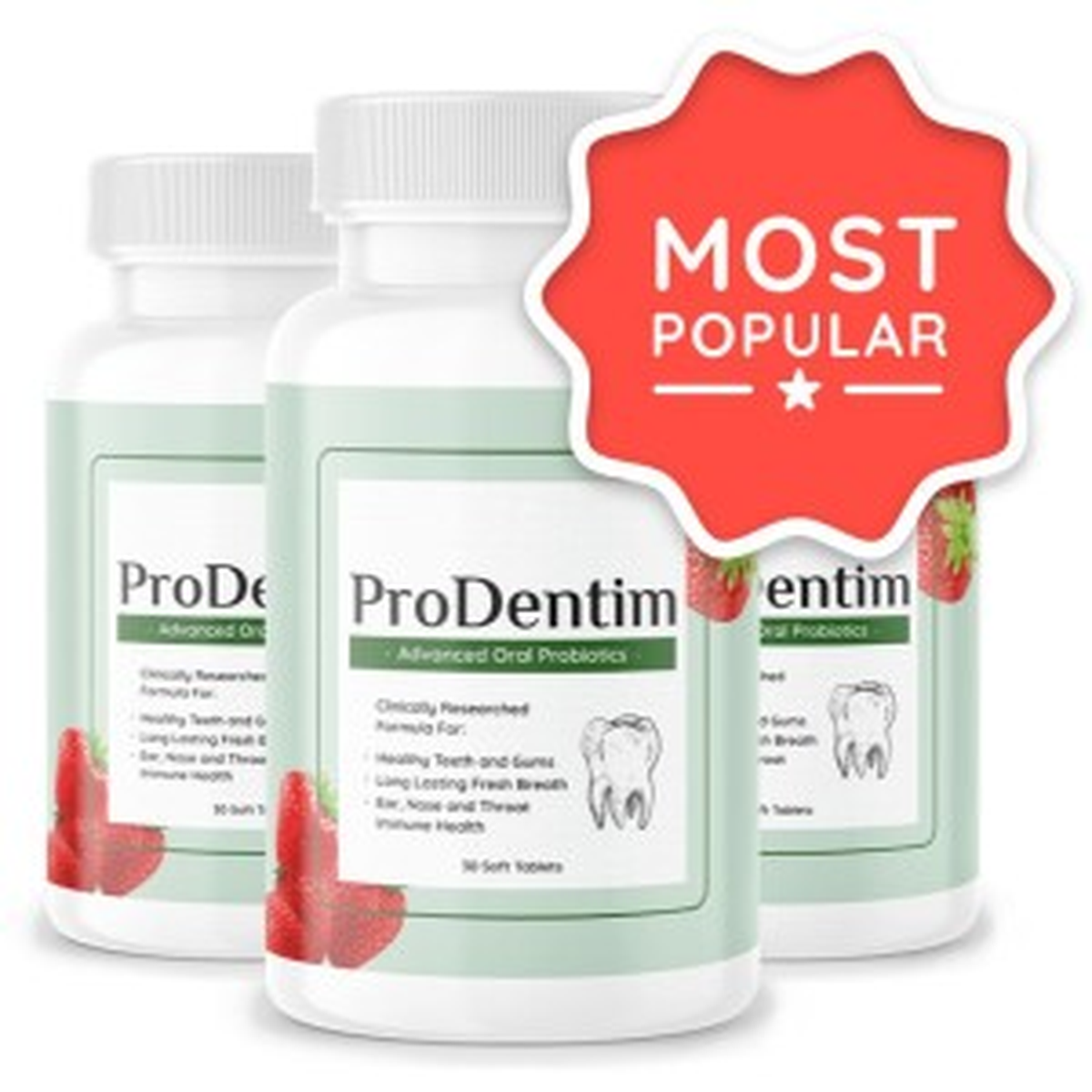
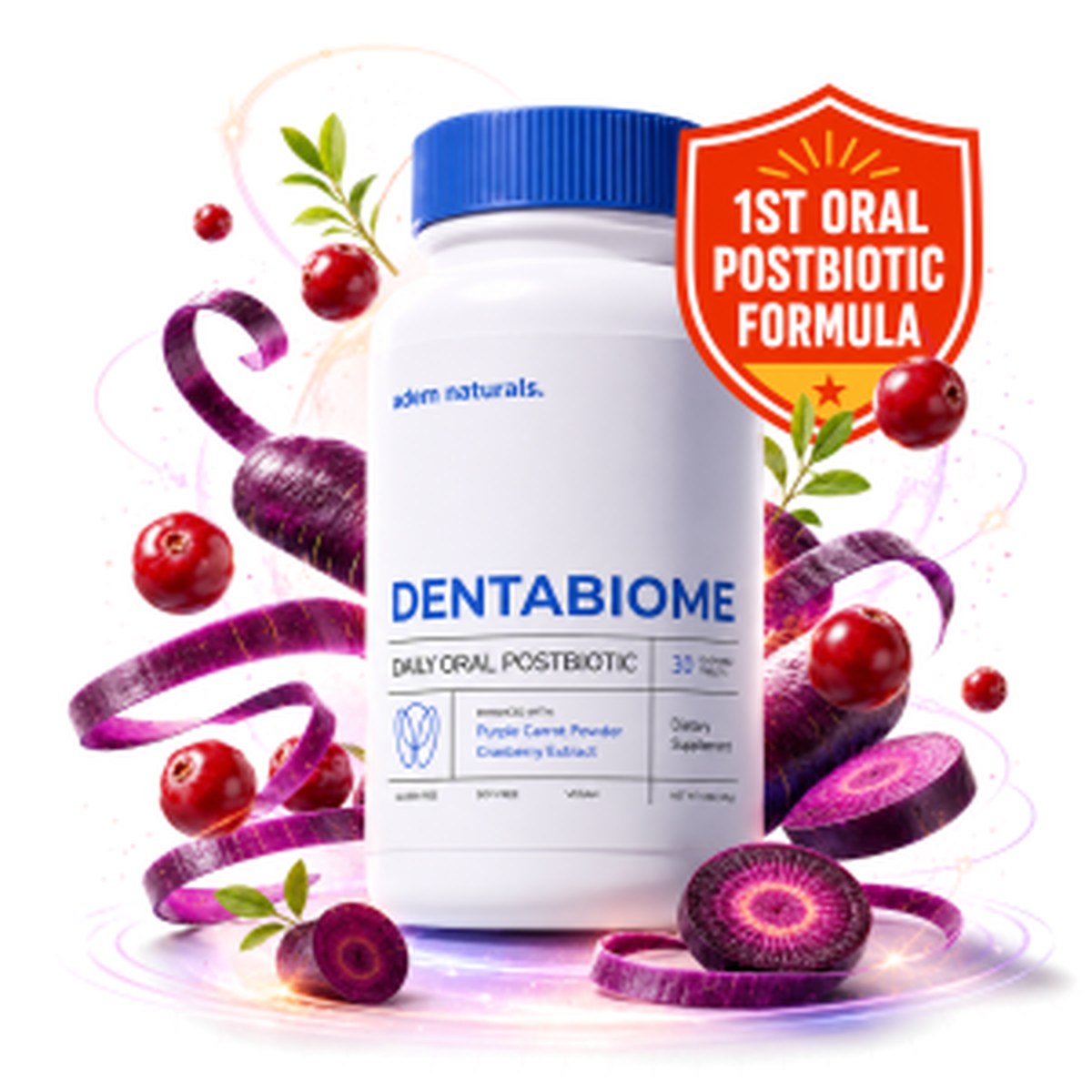
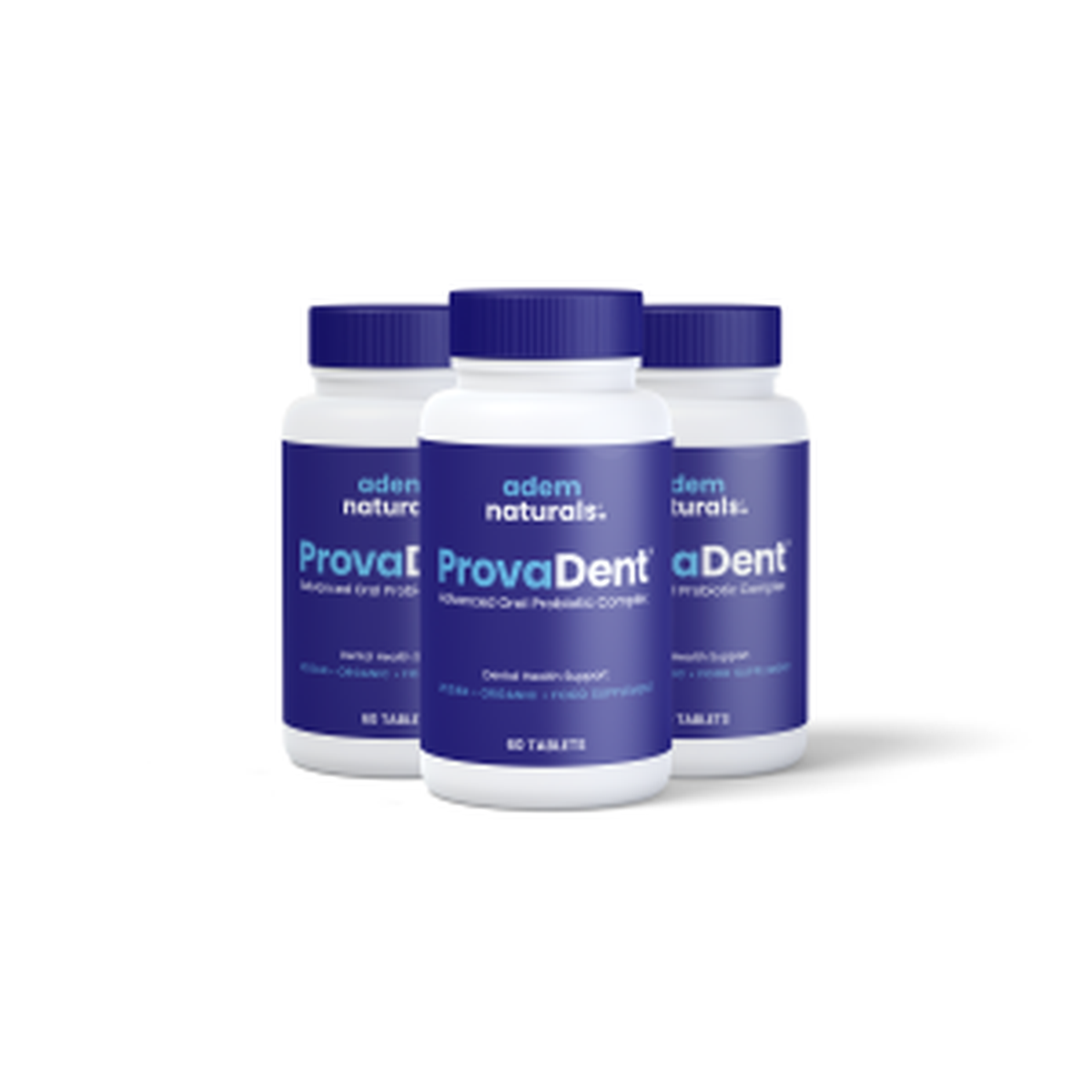
Oral probiotics are marketed as a new way to support teeth and gums, and several chewable products now compete for attention. They look alike on the surface, but they differ in how much they disclose, what strains they list, how you take them, and what they promise. This comparison does not declare a winner. It shows what each brand publishes, what it does not, and which questions to ask when comparing any oral probiotic.
Affiliate disclosure: Wellness Center USA may earn a commission if you buy through links on this page, at no extra cost to you. Our comparison does not depend on commissions. See our affiliate disclosure.
What We Compared and How
We compared the products on this site that describe themselves as oral probiotics: ProDentim, DentaBiome, and ProvaDent. All details below come from each brand's official website as recorded in our overviews, and "per the brand" means we have not independently verified the claim. We did not test the products, and we do not list prices because they change and we cannot verify them over time.
We did not compare against other brands that are not in our database, because we cannot verify their details.
Side-by-Side Comparison
| Feature | ProDentim | DentaBiome | ProvaDent |
|---|---|---|---|
| Form | Chewable, dissolving tablet | Berry Frost chewable tablet | Chewable tablet (one page also says capsule) |
| Suggested use | 1 tablet each morning | 1 tablet a day | 2 a day, after breakfast and before bed |
| Probiotic strains named | Yes: L. paracasei, B. lactis BL-04®, L. reuteri | Yes: L. plantarum (dual strain), L. salivarius, L. rhamnosus | No (four strains, names not published) |
| Strain codes published | Only BL-04® | Not clearly | No |
| Total live count | 3.5 billion per tablet | Not stated | Not stated |
| Other listed ingredients | Inulin, malic acid, tricalcium phosphate, peppermint | Xylitol, cranberry extract, purple carrot powder, "BioFresh™ Clean Complex" | Organic xylitol, "BioFresh™ Clean Complex," cranberry extract, purple carrot powder |
| Contains xylitol | No | Yes | Yes |
| Per-ingredient amounts | Not stated | Not stated | Not stated |
| Refund window | 60 days | 60 days; all bottles returned | 60 days; request by email |
| Retailer | ClickBank | ClickBank | ClickBank |
| Published trial of the finished product | None found | None found | None found |
Key Differences That Matter
1. How much the brand tells you about the bacteria
Probiotic effects are strain-specific, so the most useful information on a label is the full strain name, including its code. ProDentim and DentaBiome name their strains; ProvaDent does not. But naming a strain is only a start. Without strain codes and per-strain amounts, you still cannot match the product to specific clinical trials.
2. Live counts
ProDentim states a combined 3.5 billion probiotics per tablet. The other two do not publish culture counts. A count is more informative still when it is guaranteed "through expiry" rather than "at manufacture", which none of these overviews confirm.
3. Xylitol
DentaBiome and ProvaDent contain xylitol, a sugar alcohol widely used in sugar-free gum. It can cause stomach upset in larger amounts and is toxic to dogs, so tablets must be stored out of pets' reach. ProDentim does not list xylitol.
4. Proprietary blends
Two products list a "BioFresh™ Clean Complex" without disclosing its components. If you want to know exactly what you are taking, a proprietary blend limits what you can verify.
5. How often you take it
One tablet a day is simpler than two. Consistency matters for any daily habit, so pick a routine you will keep.
6. Refunds
All three advertise 60-day guarantees, but the conditions differ: DentaBiome says all bottles must be returned, even if empty; ProvaDent says you request a refund by email. Read the current policy before ordering, as terms can change.
What the Evidence Says (For All Three)
Oral probiotics have been studied mainly for gingivitis. A 2020 meta-analysis in the Australian Dental Journal by Akram and colleagues pooled ten placebo-controlled trials and concluded there is only weak evidence that probiotics reduce gum inflammation, and results for L. reuteri were not statistically significant. Some small trials of specific strains show benefits, and reviews of probiotics used alongside professional periodontitis treatment are more positive, but those findings come from dental-office settings rather than from over-the-counter chewables.
None of these three products has a published trial of the finished formula. All three brands make broader claims that go beyond the evidence. Treat any of them as an optional add-on to brushing, flossing, and dental visits, not as a treatment.
Safety Information
- Weakened immune systems, central lines, serious illness, or recent surgery: probiotics are generally not advised without a doctor's approval.
- Digestive side effects: gas and bloating can occur, especially with prebiotics such as inulin or sugar alcohols such as xylitol.
- Pets: keep xylitol-containing products away from dogs.
- Pregnancy, nursing, children, and medicines: ask a healthcare professional.
- Symptoms that need a dentist: bleeding gums, loose teeth, persistent bad breath, pain, or swelling.
Questions to Ask About Any Oral Probiotic
Use this checklist for any product, including ones we have not covered:
- Are the strains named with codes?
- Is the live count stated through expiry, and how should it be stored?
- Is there published human research on those exact strains in the mouth?
- Are all ingredient amounts disclosed, and are there proprietary blends?
- Are there allergens or sugar alcohols?
- Is there independent testing for contaminants and counts?
- Are the claims realistic, or do they promise to treat disease?
- What are the refund and subscription terms?
Our guide to choosing dietary supplements safely explains how to check several of these.
Buying Considerations
- Buy from each product's official website to ensure the stated refund terms apply, as look-alike sites exist.
- Confirm the current price, bundles, and shipping at checkout.
- Consider your goals: if you have gum problems, a dental exam and cleaning will likely help more than any supplement.
- Remember the non-probiotic oral supplements on this site, DentalPrime and Dentolyn, are vitamin-and-mineral tablets rather than probiotics, so they are not like-for-like comparisons.
Which Should You Choose?
The evidence does not support picking one of these as the best. What differs is transparency and fit: ProDentim names its strains and total count; DentaBiome names its strains but not counts; ProvaDent discloses the least about its bacteria. Preferences about xylitol, how often you want to take a tablet, and refund terms may matter more than any claimed advantage. For a deeper look at the first of these products, read our ProDentim review.
Frequently Asked Questions
Are oral probiotics better than regular probiotics?
Not proven. Oral probiotics are designed for the mouth, and regular probiotics for the gut. Evidence for either depends on the specific strain and condition.
Do these products replace brushing and flossing?
No. They are additions to daily oral hygiene and dental care.
Can I take more than one?
There is no evidence of benefit from combining them, and doing so could increase side effects. Follow the label of one product.
How long should I try one?
Brands suggest several months, but effects are not guaranteed. Use the refund window to decide.
Final Thoughts
Oral probiotics are an interesting area with early, mixed evidence. When comparing products, put transparency first: named strains, stated counts, published amounts, independent testing, and honest claims. Put brushing, flossing, and dental visits ahead of any supplement.
Medical and Dental Disclaimer
This comparison is for general educational purposes only and does not provide medical or dental advice. Consult a dentist or qualified healthcare professional about oral health concerns. Information about products comes from each brand's published materials, which can change.
References and Further Reading
- Akram Z, et al. (2020). Probiotics in gingivitis: a meta-analysis. Australian Dental Journal.
- National Center for Complementary and Integrative Health (NCCIH). Probiotics: What You Need To Know
- NIH Office of Dietary Supplements. Dietary Supplements: What You Need To Know
- Official brand websites: prodentim.com, getdentabiome.com, dentalsugarhack.com