
Magnesium Glycinate vs. Magnesium Citrate: Differences Explained
Oct 28, 2026
Magnesium glycinate and magnesium citrate are two of the most common supplement forms, and shoppers often wonder which one to pick. Both supply the same essential mineral, but the compound attached to it changes how much magnesium is in each capsule and how your digestive system responds. This comparison explains the differences using public health sources, and is honest about where the evidence is thin.
This page compares two ingredient forms, not branded products, and no purchase links are included. Wellness Center USA may earn a commission on other pages of this site; see our affiliate disclosure.
The Short Version
| Feature | Magnesium glycinate | Magnesium citrate |
|---|---|---|
| What it is | Magnesium bound to the amino acid glycine | Magnesium bound to citric acid |
| Absorption | Generally considered well absorbed | Well absorbed; absorbs better than oxide |
| Digestive effects | Often described as gentler on the stomach | Draws water into the bowel; can loosen stools |
| Laxative use | Not typically used as a laxative | Used as a laxative at higher doses |
| Elemental magnesium per dose | Often lower per capsule, so several capsules may be needed | Moderate to high, depending on the product |
| Marketing for sleep or calm | Very common | Less common |
| Evidence comparing the two | Limited | Limited |
| Typical forms | Capsules, tablets, powders | Capsules, powders, oral solutions |
What Is "Elemental" Magnesium?
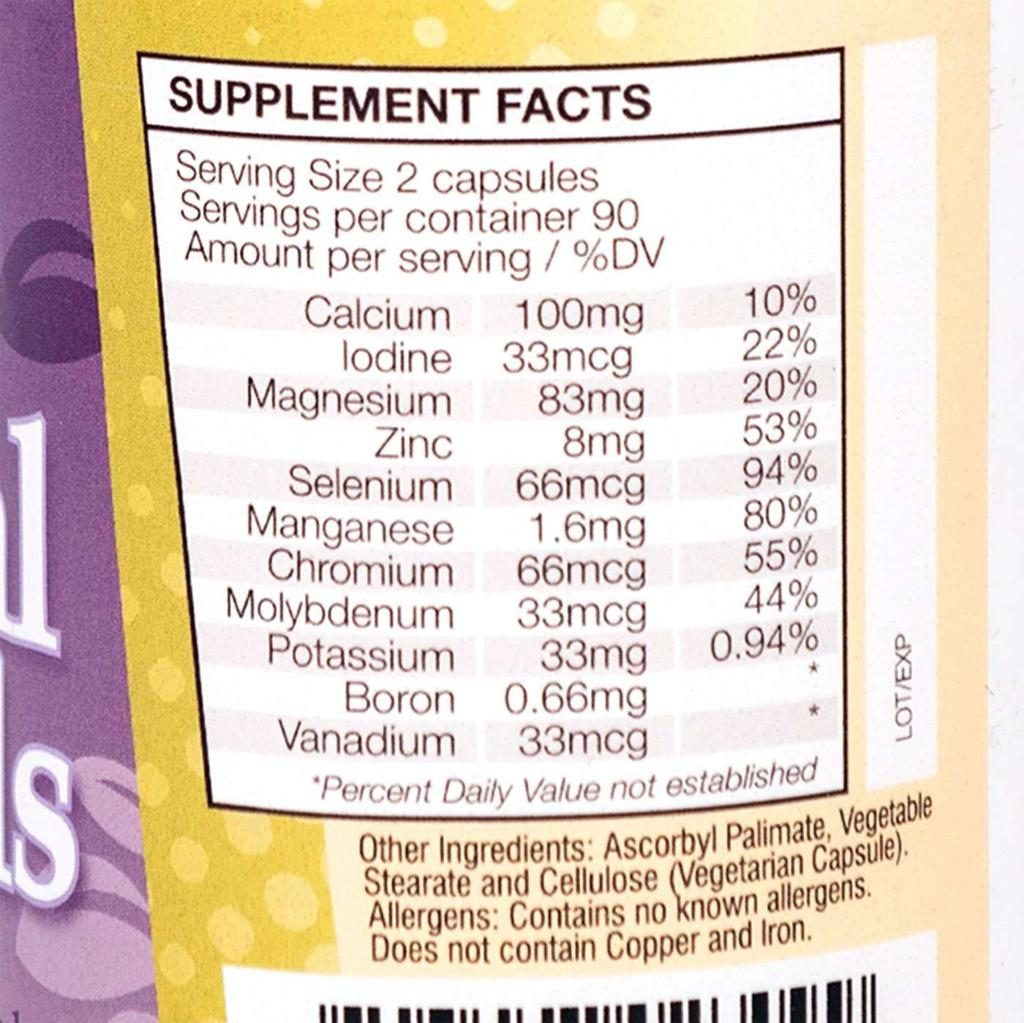
Magnesium never comes alone in a supplement. It is bound to another substance, and the label may show the weight of the whole compound or only the magnesium part. Elemental magnesium is the amount of actual magnesium. Always check the Supplement Facts panel for that figure, because "1,000 mg magnesium citrate" does not mean 1,000 mg of magnesium.
Magnesium Glycinate
What it is. Magnesium bound to glycine, an amino acid that is also found in protein foods.
Reasons people choose it. It is widely described as gentle on the digestive system, and it is often marketed for relaxation and sleep. Glycine itself has been studied for sleep in small trials, but those findings do not show that the combined compound improves sleep.
What to keep in mind. Comparisons of glycinate with other forms in people are limited, so claims that it is "the best absorbed" or "the best for sleep" outpace the research. It is also often more expensive per milligram of magnesium.
Magnesium Citrate
What it is. Magnesium bound to citric acid.
Reasons people choose it. The NIH Office of Dietary Supplements notes that forms of magnesium that dissolve well in liquid, including citrate, are absorbed more completely than poorly dissolving forms such as magnesium oxide. It is widely available and is often affordable.
What to keep in mind. Unabsorbed magnesium draws water into the intestine, so citrate can cause loose stools or diarrhea, and higher doses are used as a laxative. If you are taking it for another reason, this may be unwelcome.
What About Sleep?
Neither form has been proven best for sleep. The main summary of research, a 2021 meta-analysis by Mah and Pitre, looked at three small trials of oral magnesium in older adults. People who took magnesium fell asleep about 17 minutes faster, but the quality of evidence was low to very low, and the trials used different forms. So we cannot say that glycinate beats citrate for sleep. Read our full article on magnesium for sleep.
Safety: The Same Rules Apply to Both
- Upper limit. The NIH tolerable upper intake level is 350 mg a day of magnesium from supplements and medicines for adults (it does not apply to magnesium from food).
- Kidney disease. Reduced kidney function can cause magnesium to build up, so ask a doctor first.
- Medicine interactions. Magnesium can reduce the absorption of some antibiotics, bisphosphonates, and thyroid medicine. Ask a pharmacist about timing.
- Digestive side effects. Diarrhea, nausea, and cramps are the most common effects of too much.
- Hidden sources. Antacids and laxatives often contain magnesium. Count them.
- Pregnancy, breastfeeding, heart conditions. Ask your healthcare professional.
How to Choose
- If stomach tolerance is your main concern, many people find glycinate easier, though individual responses vary.
- If you also deal with occasional constipation, citrate's effect on the bowel may be welcome, but talk to a clinician about regular laxative use.
- If cost matters, compare the price per milligram of elemental magnesium rather than per bottle.
- If you take medicines, ask a pharmacist before starting either.
- If you can, raise your intake from food first: seeds, nuts, leafy greens, legumes, and whole grains.

For label-checking tips, see our guide to choosing dietary supplements safely.
Frequently Asked Questions
Which is better, glycinate or citrate?
Neither is proven better overall. Glycinate is often gentler on the stomach, and citrate is well absorbed but can loosen stools. The right one depends on your tolerance and goals.
Is magnesium glycinate better for sleep?
It is marketed that way, but no study has shown it works better than other forms for sleep.
Can I take both?
Combining forms is not necessary, and the 350 mg supplemental limit applies to the total.
When should I take it?
There is no proven best time. Many people take it with food in the evening. Follow the label and your clinician's advice.
Does magnesium citrate cause diarrhea?
It can, particularly at higher doses.
Final Thoughts
The difference between the two forms is mostly about digestion and cost, not about proven sleep benefits. Check the elemental magnesium, stay under the upper limit, and talk to a healthcare professional if you have kidney problems or take medicines.
Medical Disclaimer
This comparison is for general educational purposes only and does not provide medical advice, diagnosis, or treatment. Consult a qualified healthcare professional before taking magnesium or any supplement.
References and Further Reading
- NIH Office of Dietary Supplements. Magnesium Fact Sheet for Health Professionals
- NIH Office of Dietary Supplements. Magnesium Fact Sheet for Consumers
- Mah J, Pitre T. (2021). Oral magnesium supplementation for insomnia in older adults: a Systematic Review & Meta-Analysis. BMC Complementary Medicine and Therapies.